NYC Commercial-Space Budget
Quick answer: Build three totals: recurring occupancy costs, one-time opening expenses, and cash tied up in deposits.
Estimated reading time: 6 minutes
Quick answer: Build three totals: recurring occupancy costs, one-time opening expenses, and cash tied up in deposits. Confirm that the intended use is permitted and identify when rent begins. A quoted rent, an available loan and permission to open answer separate questions.
Decode the rent quotation
NYC’s commercial-leasing guide distinguishes rentable from usable area and base from additional rent. Confirm the area, price period and extra charges.
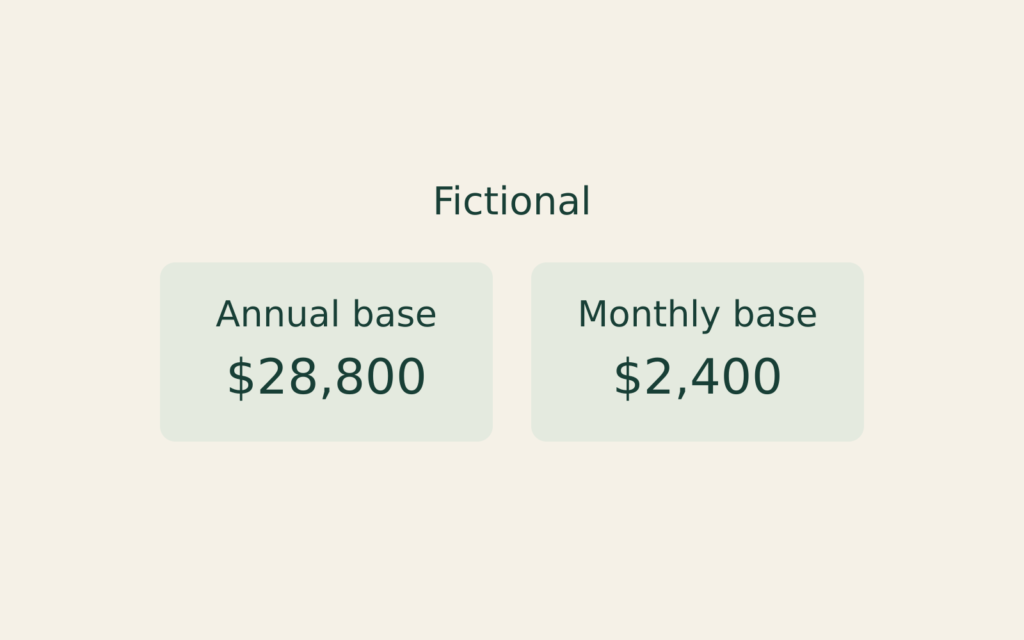
Fictional quote: 800 rentable square feet at $36 per square foot annually, with equal monthly payments and no concessions:
| Measure | Base rent |
|---|---|
| Annual: 800 × $36 | $28,800 |
| Monthly: $28,800 ÷ 12 | $2,400 |
This excludes every other cost. It’s neither an all-inclusive occupancy price nor a market quotation.
Check what the occupancy record establishes
A Certificate of Occupancy describes a building’s legal use or permitted occupancy. NYC Buildings distinguishes that certificate from a Letter of Completion for minor alterations not requiring a new or amended certificate.
For exempt pre-1938 buildings, ask about a Letter of No Objection instead. NYC Buildings lists final construction, plumbing, elevator and electrical inspection sign-offs among the requirements for a CO. Ask the project team which required sign-offs remain unresolved and what evidence closes them.
NYC Buildings also states that a Certificate of Occupancy has no expiration date. The city’s search instructions distinguish requests before March 1, 2021, using BIS, from requests on or after that date using DOB NOW. For a prospective location, ask the appropriate professional to identify the applicable record and whether it supports the proposed use. This article doesn’t determine whether a particular space may open.
Budget separately for utility security
Con Edison’s nonresidential customer notice says new customers must provide a deposit as a service condition. It describes an option to pay half initially and the remainder in two subsequent monthly installments. These are that provider’s terms, not a nationwide utility rule.
The notice generally limits the deposit to twice the previous calendar year’s average monthly bill; widely varying usage has a peak-season provision. Ask how the provider determines the amount for the proposed account rather than treating an unrelated tenant’s bill as your estimate.
Con Edison says deposit interest is set at a PSC-determined rate and applied annually on the deposit anniversary. After three years, it reviews the payment record for refund eligibility. An account closing with no outstanding balance receives a refund. Those are separate events, not an immediate reduction of the opening deposit.
Read insurance valuation and endorsement terms
The New York Department of Financial Services explains that business-owner packages combine coverages, while monoline policies cover one line. A package label doesn’t mean every business receives identical protection.
For the premises budget, obtain a quote that identifies the property being insured and its valuation basis. Replacement cost, actual cash value, agreed amount and functional replacement cost are different terms to clarify with a licensed insurance representative, not interchangeable descriptions of one amount.
DFS also lists possible property endorsements, including equipment breakdown, refrigerated-food spoilage, property belonging to customers, and signs or outdoor property. These are distinct exposures to discuss with the representative; the list doesn’t say every policy includes them. Identify the relevant equipment or inventory in that conversation, so a quote for one operation isn’t mistaken for a quote covering a materially different operation.
Don’t confuse rent with a rent-tax calculation
NYC’s commercial rent tax has a limited geographic scope: Manhattan south of the center line of 96th Street. The city’s overview identifies a $250,000 annual or annualized gross-rent threshold, alongside exemptions and credits. It isn’t a tax on every NYC storefront.
The small-business credit depends on defined income and rent measures; a quoted monthly payment alone can’t establish eligibility. Filing obligations also differ from tax payable: the city describes circumstances where an exempt tenant still files. This guide calculates neither liability nor a filing requirement.
Give a qualified tax adviser the location, occupancy period, lease terms and any subletting information. Ask for the applicable tax-year analysis before inserting a tax estimate into the budget. The department also lists exemptions for certain locations, uses and short rental periods.
Connect the premises budget to financial projections
SBA’s business-plan guidance calls for a prospective financial outlook including income statements, balance sheets, cash-flow statements and capital-expenditure budgets. It recommends greater detail for the first year, using quarterly or monthly projections, and connecting those projections to the funding request.
Check each forecast’s period and whether amounts are monthly, quarterly or annual. Ask the preparer to explain the expected sales rather than selecting a figure just high enough to make projections appear profitable. The explanatory assumptions belong alongside the forecast, where the reviewer can evaluate them.
Label forecast versions clearly so a revised opening plan isn’t accidentally paired with an older funding request.
Resolve disagreements before relying on the total
When two documents disagree, attach both versions to one question instead of silently choosing the lower figure. State the discrepancy precisely, identify who can answer it, and retain the response. Unanswered questions should remain visible, not become zero-dollar entries.


