Housing Measures
Compare housing price indexes, home-sale statistics, rental measures and rebuilding estimates. Each source measures something different.

Estimated reading time: 5 minutes
Before using a housing number in a purchase discussion, check what it measures. These six sources describe different records, rather than interchangeable estimates of one home.
Check which FHFA index you’re reading
The Federal Housing Finance Agency’s October 7, 2026 FAQ distinguishes its Purchase-Only index from All-Transactions, which adds refinance appraisals, and Expanded-Data, which adds broader purchase records. Its repeat-transactions method tracks price changes for the same properties. The published series are nominal: they aren’t adjusted for inflation. Distressed sales are included unless you’re reading the specifically named Distress-Free index. Check the series label before interpreting a change.
Check what the new-home price includes
The Census Bureau’s construction definitions set a specific boundary for the price reported in New Residential Sales. It is the seller-reported price agreed when the first sales contract is signed or a deposit is accepted, and it includes the improved lot. Later change orders generally aren’t reflected. Cash extras or options outside the original reported price are excluded.
A reported statistical price doesn’t necessarily include a buyer’s later customization charges. This survey covers new single-family homes intended for sale with their land. Homes intended for rent, owner-built homes and homes built by a contractor on the owner’s land are excluded. Census also defines a contractor-built contract price that excludes land. Both records concern newly constructed housing, but they measure different things.
Check the area behind the existing-home median
NAR’s Existing-Home Sales explanation defines the median as the price with half of sales above and half below it.
The organization publishes monthly prices for the nation and for the Northeast, Midwest, South and West. Its existing-home figures cover single-family homes, condominiums and cooperatives. It describes existing homes as previously owned and occupied properties returning to the market.
NAR illustrates why the mix matters: the national condo/co-op median can exceed the single-family median because condos are concentrated in expensive markets. Within a particular area, single-family properties typically sell for more than condos.
NAR describes a representative monthly sample of 160 boards and multiple listing services, covering approximately 40% of existing-home transactions. Its research team evaluates raw sales volume, divides the data into four census regions and weights the aggregated volume to represent each region’s activity. The resulting volume is labeled non-seasonally-adjusted.
Separate rental services from ownership expenses
The Bureau of Labor Statistics’ shelter factsheet describes owners’ equivalent rent as the implicit rental value of an owner-occupied home, unfurnished and without utilities.
Homeowners’ answers about hypothetical rent help set expenditure weights; they aren’t the price changes used to calculate the index. Those changes come from rental units in the Housing Survey. The sample is split into panels priced at six-month intervals. Most observations concern continuing rents rather than rents changed since the previous observation. Price observations are normalized to a monthly rental amount.
BLS separates the Consumer Expenditure Survey’s role in weighting from the collection of rental prices. To measure owners’ equivalent rent as pure rent, it removes the value of utilities supplied by landlords. In this framework, home purchases and improvements count as investment rather than consumption. Mortgage interest, property taxes and most maintenance expenses fall outside this shelter-service concept.
Check which information the model uses
Zillow describes the Zestimate as a model that uses public records, multiple-listing-service information and user-submitted property details. It explicitly isn’t an appraisal. A listed home can provide extra signals, including its listing price and description, that aren’t available while it is off market. An estimate that changes after listing can therefore reflect a change in the information available.
For its active-listing accuracy statistics, Zillow compares the estimate shown before a home goes pending with the final recorded sale price. That comparison uses a particular point in time; it doesn’t cover every estimate displayed during marketing.
Zillow also distinguishes historical estimates from past appraisals. It may recalculate historical values after major improvements to its data or algorithm, but says later information doesn’t influence an earlier estimate. Read a history chart as a model history produced with that stated methodology, rather than a collection of contemporaneous appraisal reports.
Check what the rebuilding estimate includes
State Farm’s April 16, 2026 explanation describes replacement cost as an estimate of repairing or rebuilding the dwelling with similar materials and workmanship at current construction prices. It includes the structure’s systems, fixtures and finishes, but excludes land value.
The listed inputs include local labor and material costs, building size, features and finishes. Transportation costs and improvements can affect the amount too. The article describes a reconstruction professional’s detailed estimate and an insurer’s estimating tool as ways to produce this record.
The article treats actual cash value and replacement cost value separately as loss-settlement methods. Depreciation, deductibles, limits and policy conditions belong to that question. A rebuilding estimate doesn’t by itself tell you what a particular claim will pay. The distinction helps explain the document’s purpose; it doesn’t select coverage or calculate an insurance recovery.
Deferred Compensation
A deferred-compensation statement and payroll form can describe different rights and events.
Loan Horizons
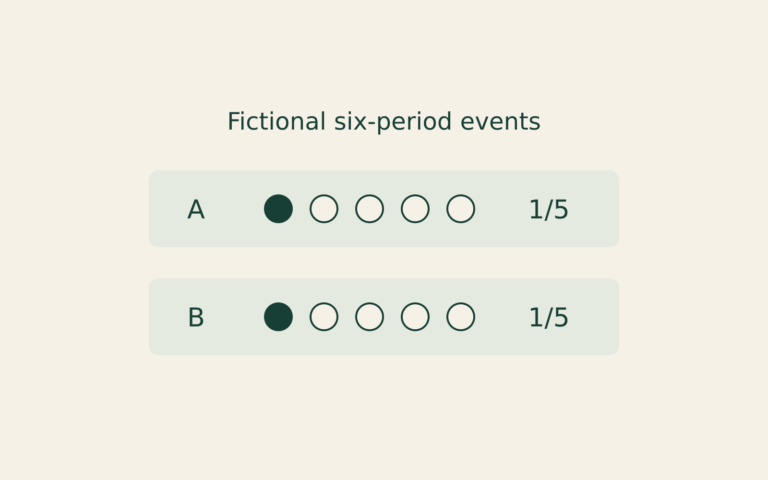
A smaller cumulative missed-payment count can reflect a shorter observation window. This fictional record exercise compares equal payment ages instead.
Rate Transmission
A rate announcement, a market yield and a contract reset describe different links between monetary policy and borrowing costs.