Deferred Compensation
A deferred-compensation statement and payroll form can describe different rights and events.
Estimated reading time: 2 minutes
A deferred-compensation statement and payroll form can describe different rights and events. Read the plan’s claim language separately from its reporting treatment.
Identify what the plan promises
Rayonier’s February 2, 2026 registration filing includes the PotlatchDeltic Management Deferred Compensation Plan, restated January 1, 2024. The filing says Rayonier assumed the plans following the January 2026 merger.
Sections 11 and 17 describe participants’ distribution rights as unsecured claims against general company assets. The deferred account and deemed investment accounts are bookkeeping entries, not claims against particular company assets. Section 12 provides for periodic account statements.
The plan also permits discretionary contributions to its named benefits-protection trust. Read that permission alongside—not instead of—the unsecured-claim language. A trust reference in this document does not turn its account statement into evidence that the participant owns particular investments. This is one identified plan example, not a determination of another employee’s rights.
Separate payroll reporting from distribution
IRS Publication 957, revised January 2024, explains reporting for nonqualified deferred compensation. Where no substantial risk of forfeiture exists, it describes deferred wages reported in W-2 box 3, subject to the wage-base maximum, and/or box 5. Thus those wage entries can concern deferred amounts rather than payments already received.
For prior-year services, amounts becoming subject to Social Security and Medicare taxes when forfeiture restrictions lapse can also appear in box 11. But the publication gives a different rule when distributions occur and deferrals are reported in boxes 3 and/or 5 in the same year: box 11 is not completed.
Consequently, do not interpret box 11 alone as a universal distribution marker. Ask payroll which event its entry represents and reconcile that explanation with the actual payment record. These reporting distinctions do not establish a lender’s qualifying-income treatment.
Loan Horizons
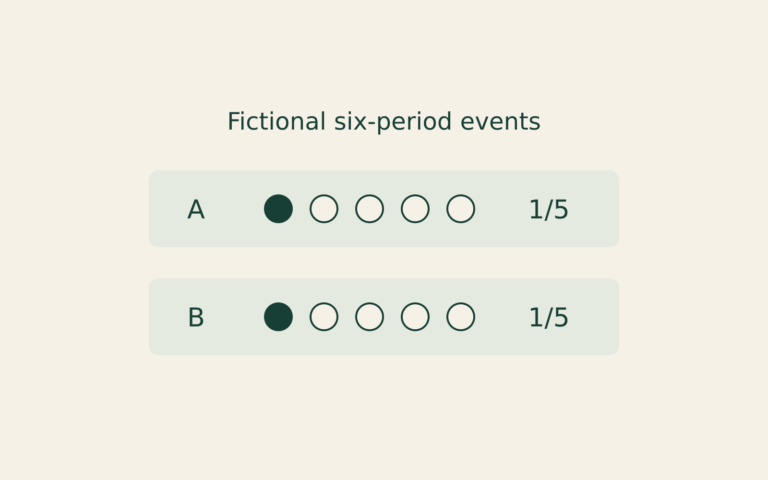
A smaller cumulative missed-payment count can reflect a shorter observation window. This fictional record exercise compares equal payment ages instead.
Rate Transmission
A rate announcement, a market yield and a contract reset describe different links between monetary policy and borrowing costs.
Energy Evidence
Before treating an improvement proposal’s projected energy savings as payment money, identify what its supporting evidence actually measures.