Laundromat Purchase Documents
Review laundromat financing and equipment documents alongside ongoing obligations and NYC rules, without treating the guide as a business valuation.
Estimated reading time: 5 minutes
Machines are only part of a laundromat purchase. This guide uses named financing and equipment examples, together with NYC rules, to explain the documents and ongoing obligations. It doesn’t value a business.
Separate equipment funding from buying the store
Dexter Financial’s FAQ says it finances equipment purchases, not construction costs or store purchases. Its examples of additional laundry equipment include change machines, carts and folding tables. Coverage of installation, freight or sales tax depends on final credit review; it isn’t automatic.
The provider says it doesn’t give preapproval because the final equipment mix determines the approval amount. A proposed machine list therefore matters to this named product, rather than merely decorating a general store-purchase request.
For an existing customer selling a store, the FAQ describes financing as transferable or assumable only if its credit department approves the applicant. It also identifies a documentation fee after approval. A seller’s proposed continuation of payments isn’t that approval. No assumption, application or payment change is carried out here.
NYC’s retail-license repeal did not erase customer-document duties
NYC Consumer and Worker Protection explains that the Retail Laundry license requirement ended December 31, 2021. Its notice expressly says Industrial Laundry and Industrial Laundry Delivery businesses continue to be licensed. Don’t extend the retail repeal to those other categories.
The notice also retains requirements for documents showing charges to consumers: they must clearly and accurately identify individual laundry charges, not just a total. Bills, tickets, stationery and advertising must identify the business name and address.
Its price-list guidance requires services, minimum charges and factors that can increase those minimums. Scales used to weigh laundry on the premises require a DCWP seal and annual inspection. Those are specific continuing requirements, not permission to reopen a location or a complete review of the buyer’s proposed services.
Normalize washer water figures before comparing them
ENERGY STAR’s washer criteria define Integrated Water Factor as weighted water consumption per cycle divided by washer capacity. A lower factor indicates greater water efficiency. The measure isn’t simply gallons used by whichever machine is smaller.
Fictional comparison: assume Machine A has weighted consumption of 12 gallons per cycle and capacity of 3 cubic feet; Machine B has 16 gallons and 4 cubic feet. Both produce an IWF of 4: 12 ÷ 3 and 16 ÷ 4.
These invented inputs illustrate normalization, not certification or a store’s water bill. The same guidance distinguishes the commercial Modified Energy Factor from the residential Integrated Modified Energy Factor. Its commercial energy calculation includes machine electricity, hot-water energy and energy needed to remove remaining moisture. Keep the metric’s definition attached to a supplier’s comparison.
A warranty transfer has its own conditions
The warranty document linked from Dexter Laundry’s warranty page describes transfer to subsequent owners at the original location for the remaining period measured from original installation. That isn’t a new warranty clock beginning with every business sale.
The document requires warranty registration for eligibility. It limits the manufacturer’s obligation to repairing or exchanging parts that it judges to show premature failure, and routes warranty handling through an authorized distributor. The machine’s presence in a store doesn’t establish that those records and conditions have been satisfied.
Its exclusions include labor, transportation charges, local duties and taxes associated with warranty parts. Read those expense categories separately from the covered part. This guide doesn’t select a warranty duration for a particular series or decide whether an actual failure qualifies.
A physical laundry card isn’t a transferable balance
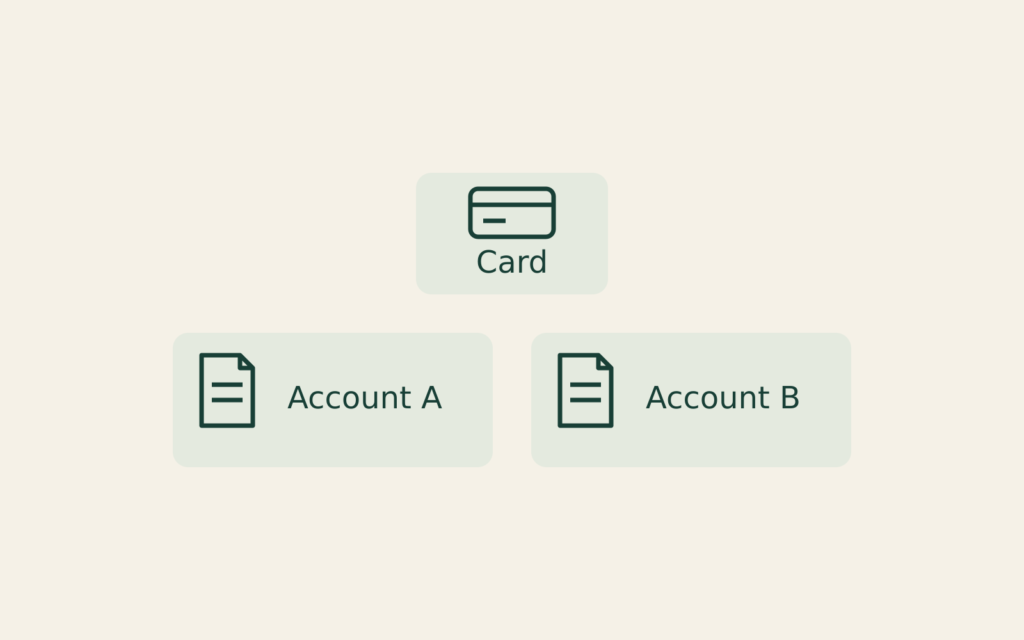
Card Concepts’ April 21, 2026 explanation says its loyalty balances reside in store accounts, not on the physical card. The card identifies the customer in the relevant system. A card from an unrelated store doesn’t bring that store’s loaded funds into another location.
The same physical card can become recognized at another store after value is added there, but that creates a separate balance. The provider distinguishes this situation from intentionally linked locations under the same ownership or account structure, where balances can be shared.
For a proposed multi-location purchase, establish which account structure the actual records describe. A bundle of cards isn’t evidence that every location shares one pool of customer funds. This isn’t a procedure for migrating accounts, changing payment routing or transferring customer data.
Ask about customer goods and utility interruptions
NIE’s laundromat insurance FAQ identifies bailee coverage when an owner handles drop-off dry cleaning or wash-dry-fold work. That names a customer-property exposure to discuss, rather than treating all property at the store as the owner’s machines.
The FAQ separately describes Utility Services–Time Element for loss of income associated with an off-premises interruption of power or water. It contrasts Utility Services–Direct Damage, using equipment damage following restoration of electricity as its example. These labels address different effects of an interruption.
The insurer expressly qualifies its discussion by the individual policy’s terms, definitions and exclusions. Ask the representative which endorsements, covered causes and waiting periods the proposed policy actually specifies. Don’t turn the website’s illustrative description into guaranteed income replacement, an automatic equipment-repair payment or a recommendation to purchase particular coverage.


