SBA Building Purchase: Measure Occupied Space Before Counting Tenant Rent
Build a classified area worksheet before relying on tenant rent. See how an omitted 500 square feet changes a fictional building’s operating-use calculation.
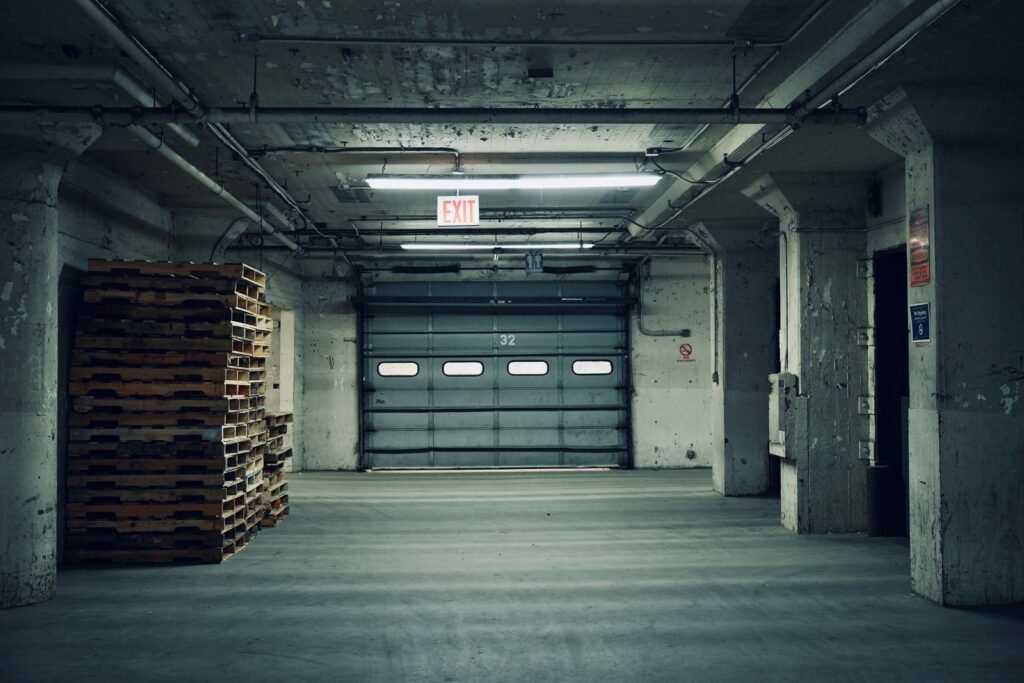
Before counting tenant rent in a building-purchase plan, map who actually uses each part of the property. A small omitted area can change the occupancy calculation even when the rent roll stays the same.
Checked October 20, 2026. This guide covers fresh applications received by SBA after October 1, 2026, under SOP 50 10 8.1 with Technical Policy Updates. Ask your lender or Certified Development Company (CDC) to resolve pending-application and transition questions separately.
Start with a classified area worksheet
Use a measured plan and give every room or zone a unique ID. Record its square footage, occupant, actual use, classification, measurement date and supporting lease. Keep unresolved areas visible. Reconcile the listing, appraisal, floor plan and leases instead of selecting whichever total produces the better percentage.
Rentable Property measures buildings or facilities used for business operations.
The current SOP includes common areas but excludes stairways, elevators and mechanical areas. Lenders may credit applicants with all common-area footage; this is discretionary.
This fictional baseline has only two mutually exclusive categories. It contains no residential units, exterior business space, common areas, parking or excluded vertical/mechanical areas. These are invented measurements, not lender-accepted property facts.
| Classification | Area (square feet) | Applicant operating numerator | Rentable denominator |
|---|---|---|---|
| Applicant-exclusive operating suites | 5,200 | 5,200 | 5,200 |
| Other-business tenant suites | 4,800 | 0 | 4,800 |
| Total | 10,000 | 5,200 | 10,000 |
Operating share = 5,200 ÷ 10,000 = 52%. Tenant share = 48%.
For an existing-building acquisition, 13 CFR 120.131 requires at least 51% operating occupancy/use and permits no more than 49% permanent leasing. Tenant rent does not turn tenant space into the applicant’s operating space.
The baseline is above that operating threshold under its assumptions. It does not establish loan eligibility or approval.
Now discover a separate 500 square feet
Suppose an additional 500-square-foot area was omitted entirely from the original 10,000. It is not a transfer between the two existing rows. Its classification is disputed, so obtain evidence before choosing an outcome.
| Verified classification | Operating numerator | Rentable denominator | Operating share |
|---|---|---|---|
| Additional tenant-exclusive space | 5,200 | 10,500 | 49.52% |
| Excluded mechanical, stairway or elevator area | 5,200 | 10,000 | 52.00% |
In the tenant-space outcome, tenants occupy 5,300 ÷ 10,500 = 50.48%. At that denominator, 51% equals 5,355 square feet, or 155 more than the assumed operating area. This is sensitivity arithmetic, not a reason to relabel space or alter records.
A third hypothetical: if the omitted area is verified as common space and the lender confirms allocating all 500 square feet to the applicant, the result is 5,700 ÷ 10,500 = 54.29%. Without that confirmation, do not use the higher numerator. Shared space is not excluded; vacancy does not establish a mechanical-area exclusion.
New construction needs a separate timeline
New construction starts at 60% operating use, with permanent leasing capped at 20%. The plan must bring some remaining nonpermanent space into operating use within three years and all of it within ten.
Do not reuse the 52% existing-building example. Instead, imagine a different 10,000-square-foot project with this documented expansion plan:
| Stage | Operating use | Permanent tenant | Temporary tenant |
|---|---|---|---|
| Initial allocation | 6,000 (60%) | 2,000 | 2,000 |
| By year 3: recover 500 | 6,500 (65%) | 2,000 | 1,500 |
| By year 10: recover remaining 1,500 | 8,000 (80%) | 2,000 | 0 |
The 500-square-foot increment is invented, not prescribed. Here, 80% results from retaining 20% permanent tenancy; it is not a universal year-ten target. Check possession rights, renewals, lease expirations and whether expansion is feasible. Writing dates on a worksheet does not establish compliance.
Check possession, leases and funding dates
For 504 new construction, 13 CFR 120.870 specifies immediate occupancy/use of at least 60%. Confirm funding and operating dates with the CDC.
Post-closing delay needs justification, within one year; it is not automatic. Delayed 504 occupancy needs advance written SLPC approval. Loan proceeds cannot improve or renovate space to be subleased; for 504, those improvements cannot secure the Third Party Loan.
An Eligible Passive Company (EPC) leases all rentable space to eligible Operating Companies (OCs); occupancy requirements remain.
An EPC’s master lease is not proof of full operating use. EPC conditions include a written, subordinate lease, assigned rents, a sufficient remaining term including OC-only renewal options, and limits on rent. Have the lender review the entity and lease structure.
Take unresolved facts to the lender
- Provide the reconciled area ledger and identify every disputed measurement or classification.
- Show existing leases, renewal rights, possession dates and proposed funding and operating dates.
- For construction, document the expansion plan and what makes each future handover possible.
- Ask for separate review of residential or exterior business areas; this worksheet does not classify them.
Occupancy is one check. Repayment ability, valuation, environmental review, permitted proceeds and other underwriting questions remain separate. Tenant rent can matter to the financing discussion, but keep income assumptions and the physical-use worksheet distinct.

SBA 7(a) Prepayment: Check the Ledger Before Paying Extra
Use a fictional SBA 7(a) payment worksheet to separate assumptions, principal reduction and cash needed before requesting a written lender calculation.
COVID EIDL Payment Assistance: What Borrowers Should Check
Review the cash-flow trade-off, unresolved SBA application-route and loan-status guidance, and questions to confirm for an existing COVID EIDL loan.