
How to Prevent Fake Invoice and Payment Fraud
Preventing false invoice fraud doesn’t require a complicated inquiry for every payment. It demands effective verification, access, permission, and record-keeping behaviors. This article outlines invoice fraud, warning signals, safe payment change verification, and how firms can implement effective measures without slowing down legitimate activities.
Fake Invoice and Payment Fraud: How
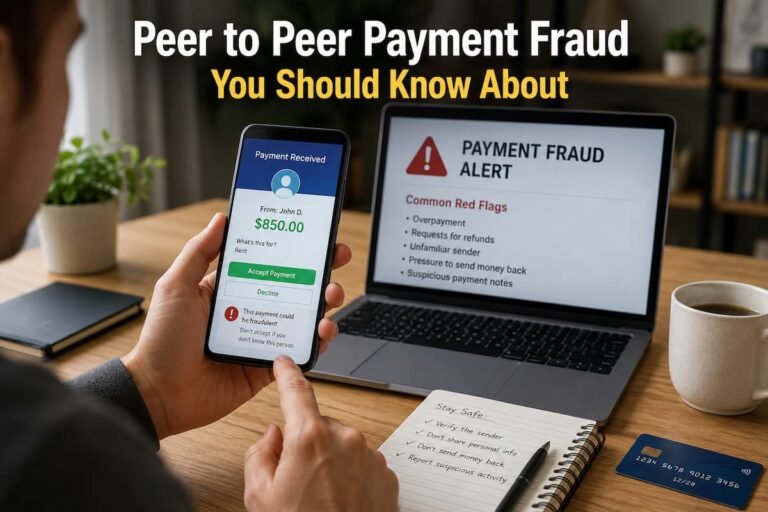
Invoice fraud involves deception, not a technical trick. Criminals can mimic suppliers, employees, contractors, and business partners to get money sent to their accounts. Occasionally, the attacker prepares a false invoice. Occasionally, a legitimate invoice is copied or altered to change the payment information.
A typical example is a supplier-looking email. The supplier has switched banks and requests that the business use a new account for future payments. The next payment may go to the wrong account if the employee modifies the supplier record without reviewing the request. Attackers impersonate executives or managers in another version. The message may request an urgent payment for a private transaction. Because the request appears to come from a superior, an employee may feel uncomfortable postponing it to ask questions.
Fraudsters can also use public data. Company websites, professional profiles, social media accounts, public documents, and hijacked email accounts can reveal names, supplier relationships, job titles, and typical company activity. This information can make a fake communication seem real. The key is that appearance is not proof. A recognized logo, email signature, invoice structure, or sender name does not verify a payment request.
Small Changes Can Cause Big Losses
Many firms think fake invoices are obvious because the sum is unusually large or the request has clear errors. Not always. Fraud might entail a seemingly routine payment. A provider often invoices €2,000–€5,000. Fraudulent €3,400 invoices are common. If the sum is normal and the document is professional, an employee may handle it without questions. A business with many routine transactions is at risk. Workers naturally find shortcuts for familiar tasks. That efficiency is important, but it can become a drawback without a solid way to check odd changes.
| Normal Payment Process | Potential Fraud Trigger | Safer Response |
|---|---|---|
| Regular supplier invoice | Bank account changes suddenly | Verify the change independently. |
| Routine payment | New urgent deadline | Confirm urgency through another channel. |
| Known supplier contact | Unexpected email address | Use previously trusted contact details. |
| Approved invoice | Payment details differ from records. | Stop and investigate the difference. |
The goal is not to treat every difference as proof of fraud. Legitimate suppliers change banks, addresses, contacts, and billing systems. The important distinction is that unusual changes should trigger verification rather than automatic rejection or automatic acceptance.
The Warning Signs That Deserve a Second Look
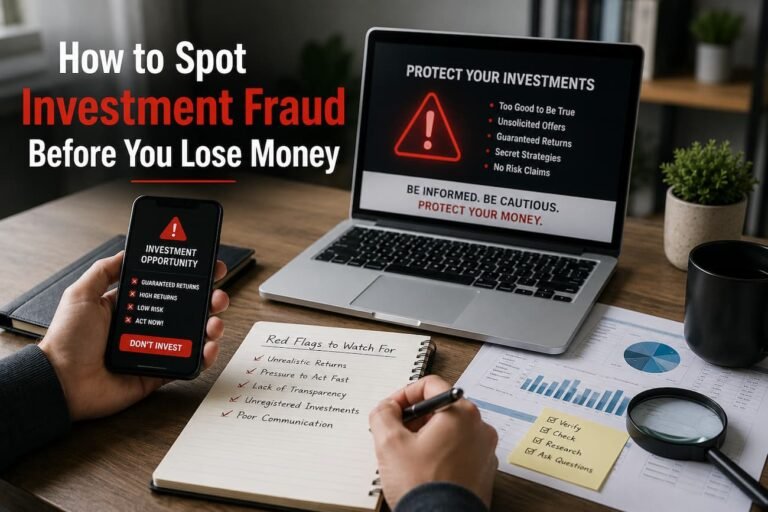
A dramatic warning indication doesn’t necessarily indicate a suspicious invoice. Small details often form a pattern. Knowledgeable employees will detect when a payment request doesn’t fit the process. Pressure is a warning indicator. Messages requesting urgent payment, threatening penalties for delay, or skipping approval procedures require extra attention. Urgency can be justified, but basic verification should remain.
Payment information changes are another warning indicator. A supplier requesting payment to a new bank account should be treated differently from a typical invoice that matches records. Verifying bank information before transferring money is crucial. Changing communication habits can matter. Employees may receive messages from unknown addresses using established supplier names. The email address may be different from the sender’s display name. Unexpected invoice numbers, duplicate invoices, unusual descriptions, inconsistent totals, unfamiliar payment terms, altered formatting, or requests that differ from the supplier’s billing process should also be checked.
Why External Verification Is Necessary
Independent verification is a powerful payment fraud defense. This requires verifying payment information separately from the request message. An email may request that the accounting staff transfer a supplier payment to a new bank account. Directly replying to the email is weak verification. If the email account is compromised, the respondent may be conversing with the attacker.
The employee could contact the supplier using a company-stored phone number or another trusted method. A worker can then verify that the bank information changed. Similar rules apply to executive requests. Instead of relying on the original email, employees should use a trusted channel to confirm unexpected payment instructions from managers.
How independent verification looks
Independent verification should use pre-suspicious request data. A supplier’s phone number, approved vendor contact record, or verified communication channel may work. Avoiding contact information in suspicious messages is key. Verifiers should confirm relevant information. “Did you send that invoice?” may not suffice. Better checks verify invoice amount, number, payment recipient, and bank account.
Treat Bank Detail Changes as High-Risk Requests
Bank account modifications can divert a valid payment; thus, they need extra attention. A business may have worked with a supplier for years, but one fraudulent modification to the supplier’s payment information can lead money to be routed somewhere it should not go. The safest method is to implement a structured process for altering payment details. Employees should know that they cannot complete a bank-detail change solely because an email or document requests it.
For example, the business could require an employee to verify the change with an established supplier contact and then have another authorized employee review the update. The exact process will depend on the size and risk level of the organization, but the key idea is separation between requesting, changing, and approving sensitive payment information.
| Request | Risk Level | Recommended Action |
|---|---|---|
| Routine invoice matching existing records | Lower | Follow the normal approval process. |
| New supplier | Higher | Verify supplier identity and payment details. |
| Supplier bank account change | High | Independently verify before updating records. |
| Urgent executive payment request | High | Confirm through a trusted channel. |
A useful rule is simple: the more a request changes where money goes, the more verification it should receive.
How to Check an Invoice Before Payment
An invoice should not be judged only by whether it looks professional. A stronger check compares it with information already known to the business. This can reveal inconsistencies that are easy to miss when an employee looks at the document by themselves. Start by confirming that the supplier is known to the organization and that the invoice relates to a real product or service. Compare the supplier name, invoice number, amount, purchase order if applicable, and payment terms with internal records.
Next, compare the payment information with the supplier information already stored in the accounting or procurement system. If the details differ, stop the payment process until the change has been independently confirmed. Duplicate invoices should also receive attention. A fraudulent request may use an invoice number that resembles a previous document or submit the same charge more than once. Automated accounting controls can help flag duplicates, but employees should still understand why those checks matter.
A simple prepayment review
- Confirm that the supplier is legitimate and expected.
- Confirm that the invoice relates to a real transaction.
- Compare the amount with the purchase order or agreed terms.
- Verify the invoice number and payment history for duplicates.
- Compare bank details with trusted supplier records.
- Independently verify unusual changes.
- Follow the required approval process before releasing payment.
This process does not need to delay every invoice. Routine invoices that match established records can move through normal processing. Additional checks can be reserved for exceptions and higher-risk changes.
Build a Payment Approval Process
Do Not Limit Payment Control to Email
Email is useful for business communication, but it does not prove a payment request is genuine. Attackers can impersonate people, compromise accounts, send convincing messages, or utilize almost identical addresses. Email is a weak place to decide whether to transmit money. Employees should be wary of emails asking them to change payment data, circumvent a procedure, keep a transaction confidential, or pay quickly. Some requests are legitimate, but their rarity warrants independent verification.
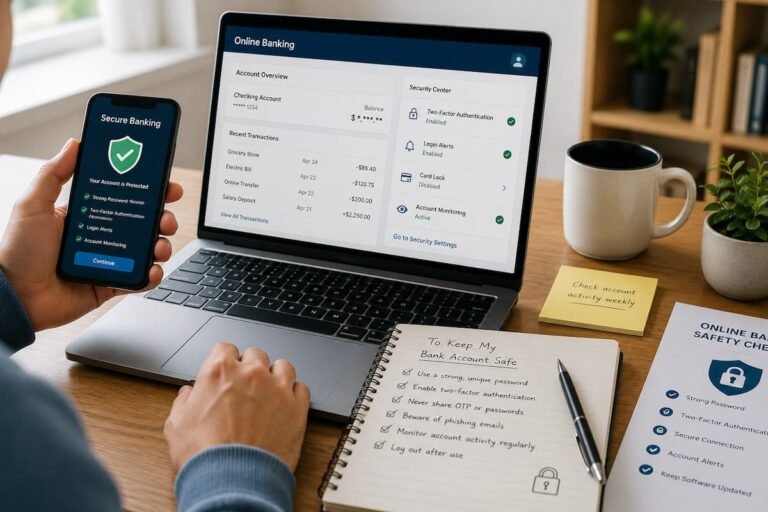
Businesses can limit risk by stating that email can start a payment conversation, but a process must confirm critical changes. This saves employees from deciding if a message “looks real” before acting. Email security is important overall. Strong passwords, multi-factor authentication, security updates, and employee awareness can prevent business account attacks. These approaches enhance the financial decision-making environment without replacing payment controls.
Keep Supplier Records Correct and Managed
Payment security depends on supplier records. Employees may have trouble verifying payment requests if the company has obsolete contact information, duplicate supplier profiles, or confusing banking information. Maintain supplier information carefully. Legal supplier name, acceptable contact information, payment conditions, bank information, and account identifiers are important. Limit sensitive field changes to employees who need approval. Changes should document what was changed, when, and who approved it. Accountability and easy scrutiny of odd events result from this.
| Supplier Record | What to Monitor |
|---|---|
| Company name | Unexpected changes or duplicate records |
| Contact information | Unusual email or phone changes |
| Bank information | New account or payment destination |
| Payment terms | Unexpected changes to normal arrangements |
| Approval history | Who requested and authorized changes? |
The objective is not to prevent legitimate supplier updates. It is to make important changes visible and verifiable before they affect payments.
Use Technology to Support Human Checks
Technology can improve fraud prevention, but automation shouldn’t make people feel safe. Accounting and procurement systems can compare bills, find duplicates, enforce approval criteria, and keep audit trails. These features can reduce basic errors. An accounting system may indicate an already-entered invoice. Some payment platforms need a second approval over a particular amount. A vendor-management system may limit bank account changes. Each control handles a distinct payment step.
But technology may not understand every uncommon business situation. A fake invoice may have legitimate supplier information and a normal amount. Requests with uncommon conditions or sensitive changes require human review. Instead of believing software can prevent fraud, businesses should employ technology to enforce normal rules and assist humans in uncovering exceptions.
Prepare Staff for Real-World Situations
When employees recognize real-world scenarios, fraud awareness training is more effective. Showing customers a suspicious payment request and explaining what to do next is more practical than telling them to “watch out for phishing.” A supplier demanding a new bank account, an executive wanting an urgent payment, an invoice from an unusual address, or a communication telling an employee to ignore approval procedures can be covered in training.
Employees should also know that asking questions is encouraged. Staff believes that delaying payments will make them look unhelpful or inefficient, weakening fraud prevention. A good culture normalizes verification. Employers should recognize that verifying a payment request is a business practice, not a complaint against management or a supplier. Employees should know how to spot questionable inquiries, who to contact, and what to verify.
Carefully Balance Urgency and Privacy
Urgency is one of the best strategies to force a decision without verification. It may say a payment must be made immediately, a supplier relationship is at peril, or a top executive is awaiting confirmation. Genuine firms sometimes have urgent payments; thus, hurry does not prove fraud. Avoiding controls due to hurry is the issue.
Secrets are another red flag. Especially for money or payment adjustments, “do not tell anyone” or “keep this between us” requests should be scrutinized. Employees should recognize that hurry does not excuse verification. A suitable trusted channel can confirm a true emergency.
What to Do After a Fraudulent Payment
Detecting a fraudulent payment is stressful, but you should act quickly and communicate clearly. The completion of an internal investigation should not delay business action. The company should alert the financial institution or payment provider promptly that the transaction may be fraudulent. The financial institution may suspend, recall, or investigate a transaction depending on the payment method and conditions. Early action is crucial because money recovery is not guaranteed.
Businesses should also keep essential evidence. Invoices, emails, payment records, account information, communications, timestamps, and transaction approval data are examples. Employees shouldn’t delete suspicious messages because they may help an investigation. IT or internal security may need to determine if an email account, device, or company system was compromised. If account penetration is suspected, review credentials and security controls immediately. Depending on the amount, country, and circumstances, the organization may need to report the incident to authorities or seek legal or cybersecurity counsel.
Make an Incident Response Plan Ahead
Many firms build payment procedures but never clarify what happens if something goes wrong. In a stressful scenario, that can delay. A basic incident response strategy should specify who to contact about payment fraud. It should involve competent finance staff, management, the bank or payment provider, and security or legal contacts.
The plan should also describe evidence preservation and account or payment instruction review. Employees should not have to create incident response procedures. A brief written method is better than a lengthy policy that no one recalls. The most crucial thing is that responders know what to do and who makes decisions.
Review Controls After Each Suspicious Event
A fraud attempt should be used to improve the payment process, even if no money was stolen. The company should ask how and why an employee received a compelling false invoice. Too many people may change supplier bank details. Maybe independent verification wasn’t needed. Perhaps employees didn’t know who to call when managers asked for odd payments.
Reviewing these weaknesses helps avoid future efforts. Avoid blaming the employee who nearly made a mistake. Fraudsters target trust, urgency, routine, and authority in their messages. After an attempted scam, a strong company improves its process rather than warning employees to be vigilant.
A Practical Payment Fraud Prevention Checklist
Businesses can use the following checklist as a starting point for reviewing their existing payment process:
- Maintain accurate supplier information.
- Require independent verification for bank account changes.
- Use trusted contact information rather than details supplied in a suspicious message.
- Require appropriate approval before releasing payments.
- When practical, please separate payment preparation from final approval.
- Monitor unusual invoices, amounts, suppliers, and payment instructions.
- Use accounting controls to identify duplicates and exceptions.
- Restrict access to sensitive supplier and payment information.
- Keep records of important supplier changes and approvals.
- Train employees using realistic payment fraud examples.
- Maintain a clear process for reporting suspected fraud.
- Review payment controls after suspicious incidents.
This checklist should be adapted to the size and complexity of the organization. A small business may use a simple manual verification process, while a larger company may use procurement systems, approval workflows, and automated controls.
Conclusion
When a false invoice or payment request looks normal, it succeeds. Not making employees fraud investigators is the answer. It is building a payment procedure that displays major changes and demands authentication before money transfers.
The best protections are reliable supplier records, independent verification of payment instructions, separation of essential payment tasks, approval controls, and training employees to spot strange requests. Technology can improve these controls, but it shouldn’t replace human judgment.
Businesses should also prepare for successful fraud attempts. Knowing who to contact, how to preserve evidence, and how to alert financial institutions helps prevent confusion when time is critical. Verification should be standard business practice, most crucially. Fraudulent transfers are harder to handle than timely confirmations before changing payment data. Businesses can lower risk without complicating legitimate work by integrating payment security into daily activities.
FAQs
What is the biggest warning sign of invoice fraud?
No single sign indicates every bogus invoice. Unexpected bank details, urgency, requests to skip procedures, strange sender addresses, duplicate invoices, and transactions that do not match supplier data may require further investigation. A legitimate request may include one of these traits; thus, it’s best to verify critical changes separately rather than assuming one warning sign indicates fraud.
Do small firms need payment approval controls?
Yes. One person handling supplier records, invoices, and payments can put small firms at risk. A simple second-person assessment for odd or high-value transactions can increase protection. A small business may not need an expensive system. Clear standards, independent verification, limited access to sensitive information, and a second set of eyes on unexpected payments can help protect the company.
What should an employee do if an executive demands a strange payment?
Instead of using the message, the employee should verify through the company’s process. The employee can confirm unexpected requests via a trusted phone number or internal means. The executive does not intend personal attacks. It verifies firm fund requests before transferring monies.
Can accounting software stop invoice fraud?
Accounting software can identify duplicate bills, enforce approval protocols, restrict access, and save records, reducing risks. However, software cannot detect all bogus requests. A compelling invoice may have genuine information. Technology works best with employee awareness, supplier verification, access controls, and clear payment methods.
How should a corporation respond to fraud immediately?
The company should respond fast. It should notify the bank or payment provider that the transaction may be fraudulent and request prompt action. The corporation should keep emails, invoices, payment records, and other data to monitor for compromised business accounts. Reporting to authorities and seeking expert help may also be necessary.