SBA Disaster Loans: Evidence Brief
A fictional repair-shop record exercise.
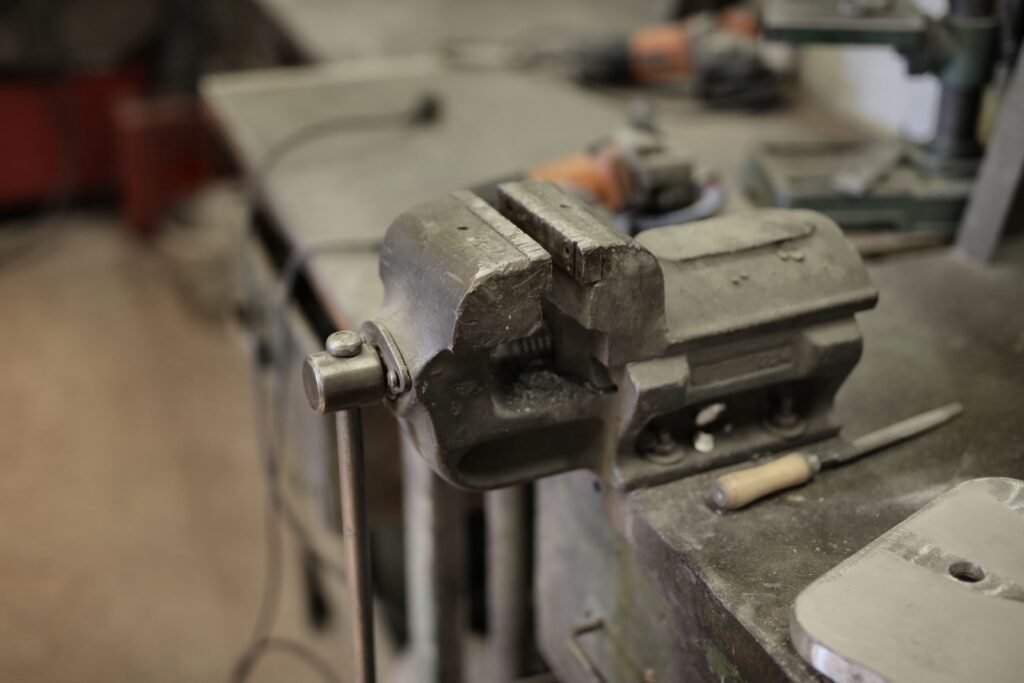
After a disaster, a repair-shop owner may have a damaged machine, a rent bill and a quieter appointment book. Put the event and the evidence on one page before trying to choose a borrowing amount.
Start with the declaration
Check the exact location’s program designation and amendments; proximity is not confirmation. Record incident dates, declaration date and each filing deadline separately.
Use this blank cover sheet alongside the relevant official notice. A Federal Register declaration example illustrates the distinctions; its dates and locations are not instructions for your business.
- Incident name/identifier: ____
- Business location: ____
- Incident period: ____
- Declaration date: ____
- Source and checked date: ____
- Exact program designation at this location: ____
- Physical filing deadline: ____
- EIDL filing deadline: ____
- Amendments checked: ____
- Unresolved question: ____
Separate the two questions
Physical disaster loans cover property damage; businesses of any size and most private nonprofits may apply. Economic Injury Disaster Loans (EIDL) address disaster-caused inability to pay necessary operating obligations; property damage is unnecessary. Applicants: small businesses, small agricultural cooperatives, small aquaculture businesses and most private nonprofits. SBA must find credit unavailable elsewhere. EIDL excludes physical repairs, expansion and fixed-asset purchases. SBA guidance.
Build four evidence cards
This fictional repair shop is an organizing exercise, not an eligibility finding. These suggested records are neither an official checklist nor proof that SBA will accept a claim.
1. The water-damaged machine
Label this a physical-damage question.
Give the machine a reference such as M1. Attach a dated photo, its identifier and a repair assessment. Write down what the assessment actually establishes, and flag anything still uncertain.
2. Rent during disrupted operations
Annotate the bill with the disaster interruption and supporting records, such as cancellations and receipts. Explain the resulting payment difficulty.
3. Fewer inquiries, with existing bills paid
Sales decline alone does not establish economic injury. Keep eligibility unresolved.
Keep inquiries separate from booked work and completed jobs. Note which dates the records cover, and label any gaps.
4. The machine’s insurance claim
Insurance and other recovery affect uncovered losses. Link M1; distinguish requested, estimated and received recovery. Count each repair once.
Record the claim identifier, status and date of the latest update. If two records disagree, preserve both and write the question that needs resolving.
Take the unresolved questions to SBA
Both loans may apply; approval is not automatic. Their combined limit is shared. Ask SBA about related assistance or apply through its Loan Portal.
Bring the cover sheet and linked cards. Your useful next step is a precise question: “What is missing from this account of the incident?” Keep unanswered questions visible instead of filling them with assumptions.

SBA Surety Bonds vs. Working-Capital Loans: Four Contractor Scenarios
Follow Riverton Build through four fictional alternatives at one pre-start review. Identify what remains unresolved and prepare a focused next conversation.

Export Payment Documents: A Two-Packet Review
A worked export-packet review follows an unresolved instruction proposal, an incomplete selected inventory and an unknown carrier arrangement, without inventing the missing evidence.
Profitable Business, Falling Cash: Reconcile the Difference
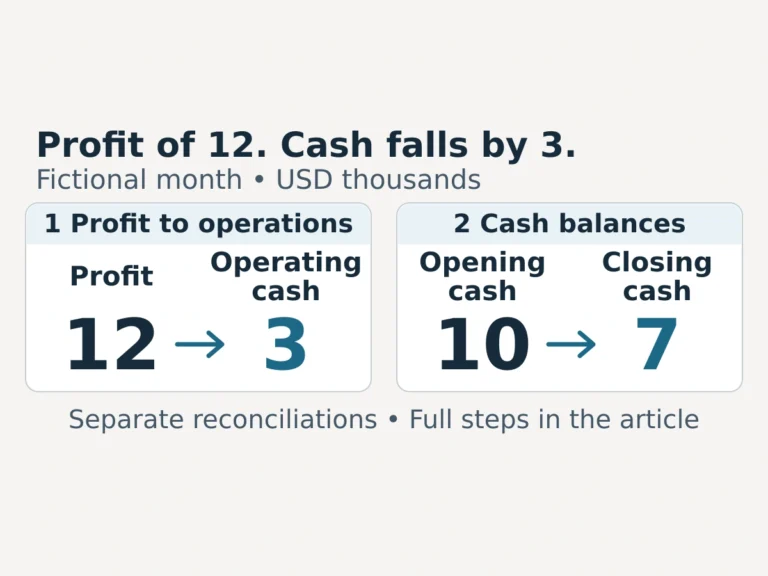
An invented one-month example reconciles net income, customer receipts, supplier payments, equipment, debt and an owner distribution to the closing cash balance.