New York Auto Insurance: Cancellation or Nonrenewal?
Read the event, policy scope and supporting records before treating an insurance notice as resolved.
Estimated reading time: 5 minutes
A New York personal-auto insurance notice saying “cancellation” isn’t the same as one saying “nonrenewal.” Before treating either as a bill to pay or a shopping reminder, identify what the insurer says will happen and when. The distinction changes the questions to ask; it doesn’t establish that a particular notice is legally valid.
First, identify the event
New York’s Department of Financial Services describes nonrenewal as the insurer declining to continue coverage at the end of the required policy period. Cancellation ends coverage at another time and is permitted only in limited circumstances. The agency describes a required one-year period for personal automobile policies.
For an ordinary noncommercial auto nonrenewal, DFS says the notice is mailed 45–60 days before expiration. That’s a notice window, not permission to remain uninsured afterward. Preserve the notice and envelope rather than substituting the day you happened to open the letter for its mailing date. DFS automobile FAQ.
Then check the policy’s scope and stated reason
This discussion concerns ordinary New York personal-auto coverage, not commercial fleets, assigned-risk policies, special short-term arrangements or premium-finance-company cancellation procedures. Section 3425 defines covered automobile policies around a natural-person insured and predominantly nonbusiness use, with specific statutory qualifications.
The statute distinguishes a new policy’s first 60 days from later cancellation and renewal policies. Later cancellation grounds are restricted; examples include nonpayment and fraud or material misrepresentation. License-related grounds have exceptions. A nonpayment cancellation notice must identify the amount due. These examples aren’t a complete eligibility test for cancellation.
Ask the insurer or a qualified New York adviser which provision applies to the actual notice. Don’t conclude that paying an amount, disputing the reason or spotting an apparent defect automatically restores coverage. Preserve any written status confirmation separately. New York Insurance Law §3425.
An insurance card and a DMV record are different evidence
New York DMV says a registered vehicle other than a motorcycle must remain insured even when stored or not driven. It also explains that the insurer must electronically file coverage with DMV: an insurance identification card alone doesn’t prove coverage.
A card displayed on a phone is therefore not the same thing as the insurer’s electronic filing. When organizing a coverage change, record both questions: what coverage does the insurer confirm, and what information has it filed with DMV? Don’t treat a screenshot as an answer to both.
If a DMV letter arrives, preserve it as its own document rather than filing it under “insurer already contacted.” Seek prompt clarification from DMV and the insurer about the particular record and instructions. This guide doesn’t determine registration status or permission to drive. DMV auto liability insurance guidance.
A financed car adds a separate lender question
The CFPB explains that an auto loan contract usually lets the lender obtain insurance on the vehicle if the borrower lacks coverage or lets it lapse. This force-placed insurance protects the lender, not the borrower, and its cost is charged to the borrower. It’s usually more expensive than coverage obtained independently.
Consequently, a lender’s insurance charge isn’t a substitute for resolving the insurer’s notice or the DMV record. Ask the lender which contractual requirement it believes is unmet and what documentation it needs. Keep that response separate from the insurer’s coverage confirmation; neither should be silently relabeled as the other. CFPB auto force-placed insurance explanation.
Build a small question index, not a verdict
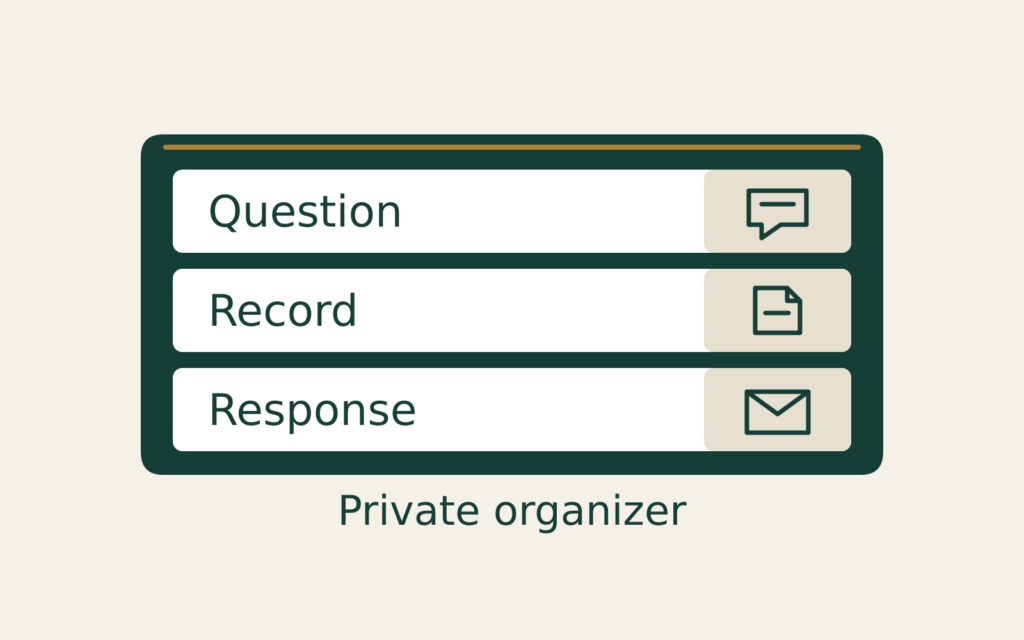
Use a private index to make a conversation easier to follow. Give each document a short identifier, such as N1 for the original notice and R1 for a subsequent written reply. Preserve originals without editing their text. The table below organizes questions; it isn’t a cancellation form, appeal or instruction to change coverage.
| Index field | Useful entry |
|---|---|
| Exact wording | Copy the disputed phrase into private notes. |
| Unclear detail | Identify the date, amount or reference needing explanation. |
| Evidence location | Point to the original file and relevant page. |
| Reply status | Distinguish unanswered, verbal reply and written reply. |
For example, an index could show “N1, page two: unclear reference; question sent Tuesday; no written answer recorded.” Don’t invent a reply or mark the issue resolved merely because someone promised to investigate. When a reply arrives, add its identifier and the specific question it answers. Leave unrelated questions open.
If two replies conflict, record the exact point of disagreement instead of choosing the more reassuring answer. For example, note which document each representative reviewed and whether the reply addressed your question directly. A generic account acknowledgment may leave the specific issue you raised entirely unanswered.
Keep policy numbers and personal information out of publicly shared examples. The goal is a clear, traceable inquiry—not a self-issued coverage certificate or a legal conclusion about the notice.


Roth Conversion and Account Clocks
Separate five-year tests.

ABLE Distributions Across Month-End
Separate retained purposes.