Brokerage Trade Confirmation: Check the Transaction and Settlement Records
Review transaction details, settlement dates and account entries without treating different records as interchangeable.
Estimated reading time: 5 minutes
A brokerage trade confirmation and an account statement answer related, but different, questions. Start with the transaction details rather than treating the account’s total value as a check that every trade was recorded correctly.
Read the confirmation’s actual fields
The SEC’s confirmation guide explains that a broker-dealer generally sends written confirmation of a securities purchase or sale. It identifies the security, quantity and transaction price. Review those details when the document arrives.
Confirmations don’t all follow one layout. A short code may be explained on another page or the reverse side. Ask the firm about unfamiliar abbreviations instead of guessing from a different broker’s example. Keep the explanation attached to the document you reviewed.
Separate trading from settlement
The SEC’s T+1 bulletin distinguishes the transaction date from settlement, when securities officially transfer to the buyer and cash to the seller. Since May 28, 2024, the standard cycle for most covered broker-dealer transactions is one business day after the trade, subject to exceptions.
Covered transactions include stocks, exchange-traded funds and certain mutual funds, among other securities. Don’t turn that description into a rule for every product or special transaction. Ask the broker which cycle applies to the particular trade and confirm the relevant settlement date.
For a simple illustration, assume a covered stock trade occurs on a Monday and Tuesday is a business day. The standard settlement date is Tuesday, not Monday. This illustrates the calendar distinction; it doesn’t certify an actual trade’s completion or establish when a separate bank withdrawal will arrive.
Match the statement, not just its headline balance
The SEC’s account-statement guide describes transaction details such as purchase and sale dates and prices, deposits, withdrawals, distributions and transaction costs. Compare the relevant entries with the confirmation. Check the statement period before deciding a document is missing a later event.
For a charge you can’t explain, ask which transaction it belongs to and where the firm describes it. A familiar total doesn’t explain an unfamiliar fee.
A statement may identify a clearing or carrying firm as well as an introducing broker. The clearing firm can handle confirmations, settlement and custody; some firms perform these functions themselves. Different firm names therefore call for identification, not an automatic conclusion that the document is fraudulent.
Also distinguish a consolidated report from the statements issued by institutions actually holding assets. A summary showing outside investments doesn’t replace those institutions’ records. For missing assets or an apparently erroneous transaction, the SEC recommends contacting the clearing firm and any introducing broker by phone and in writing.
Put a discrepancy into writing promptly
SIPC’s investor guidance says to bring confirmation or statement errors to the brokerage firm’s attention immediately in writing and retain a copy. A missing timely confirmation also deserves attention. Written complaints can matter to protecting an investor’s interests if a firm later enters SIPC liquidation; this isn’t a promise that a particular loss is covered.
Describe the specific entry you question rather than announcing an unsupported fraud conclusion. Preserve the original record and the firm’s response. If a telephone discussion precedes the written follow-up, identify the discussion and what remains unresolved. Don’t wait for the next periodic statement merely to begin raising a known problem.
Keep your own evidence file
The SEC’s recordkeeping guidance recommends keeping transaction records, including confirmations and account statements. Brokerage record-retention obligations aren’t indefinite storage guarantees for customers.
Save complete documents, not just a cropped amount. Preserve the page that explains a code and the statement’s identifying information. An independently maintained file is more useful than relying entirely on a future request to the broker. This isn’t a personal tax-record destruction schedule; ask a qualified adviser about records needed for your circumstances before discarding them.
Use a question index without inventing an answer
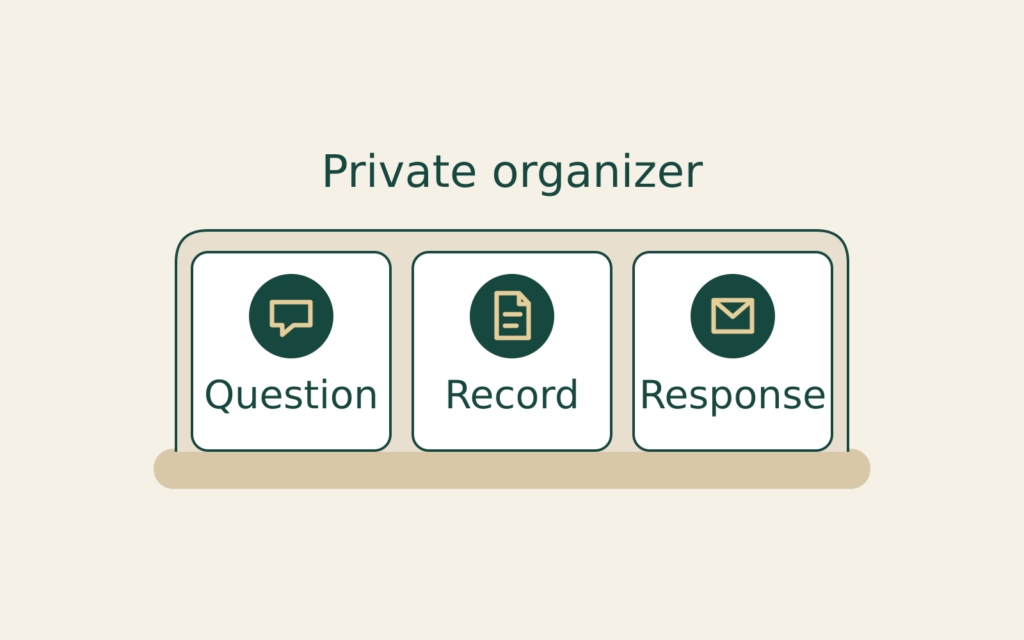
Consider a fictional private folder with two documents named Record A and Record B. Your notes mention a telephone conversation, but no written response has arrived. The organizer below keeps evidence separate from recollection.
| Entry | Private note |
|---|---|
| Question | Which sentence needs clarification? |
| Evidence | Record A, page two; Record B, page one |
| Response | Written reply not received; call note stored separately |
Give each open question its own row and record when you raised it. A filename is a locator, not a conclusion. Include the date and source of each note so someone reviewing the folder later can distinguish contemporaneous evidence from a later reconstruction. When a reply arrives, link the exact dated written response to the question it addresses; leave unrelated questions open. Don’t replace the original document with your interpretation or write a response that the firm hasn’t supplied.
This guide concerns reviewing existing records, not placing trades, choosing investments, deciding tax treatment or changing account instructions. Sources checked October 29, 2026.


Roth Conversion and Account Clocks
Separate five-year tests.

ABLE Distributions Across Month-End
Separate retained purposes.