IRS Verification Letter: Match the Notice to the Response
Separate the notice, account access and return-verification task before assuming a refund is ready.
Estimated reading time: 4 minutes
An IRS verification request needs its own response, not a guess based on another taxpayer’s letter. Start with the notice number and the instructions attached to that notice.
Identify the notice before interpreting it
The IRS notice guide distinguishes identity questions, balance-due notices, changed refunds and processing delays. A letter from the IRS isn’t automatically a payment demand.
Find the CP or LTR number in the right corner and search for that notice on IRS.gov. Read the whole document, retain it and act by any requested response date. If it looks suspicious or can’t be found in the notice search, the IRS directs taxpayers to call 800-829-1040 and follow the representative’s instructions. Don’t treat a familiar logo or an alarming subject line as independent authentication.
CP5071 identifies a particular verification task
The current CP5071-series guidance includes CP5071, 5071C and CP5071F. The IRS received a Form 1040-series return using the taxpayer’s SSN or ITIN and wants to verify identity and the return.
If you filed it, verification lets processing continue. If you did not, tell the IRS during verification; possible identity theft isn’t the same as an established finding about what happened.
Follow the actual notice. Where it offers online verification, the official starting point is irs.gov/verifyreturn. Have the referenced return, a prior-year return if available, and supporting records ready. The notice’s contact method is for verification; other account information, including refund status, may not be available there.
After verifying your return, don’t add Form 14039 simply because you received this notice; the IRS says it’s unnecessary unless instructed.
Letter 4883C isn’t the same online invitation
The 4883C instructions direct the recipient to the Taxpayer Protection Program hotline printed in that letter. They request the letter, the referenced return, an available prior-year return and supporting documents. Forms W-2 and 1099 are supporting documents, not substitutes for the return itself.
If you did not file the referenced return, notify the IRS immediately. If phone verification can’t be completed, the IRS may direct you to an appointment at a local office. Don’t replace this route with someone else’s online instructions.
The IRS says unresolved verification prevents processing, refunds and overpayment credits. Successful verification resumes processing, but other problems can still delay the result. The hotline handles identity and return verification only, not general refund-status questions. The 4883C page also says not to file Form 14039 merely in response to that letter.
Account access isn’t the finished return check
The current Verify your return service is for recipients of a CP5071-series notice or Letter 5447C. It isn’t a general refund accelerator for anyone waiting for money.
The service requires questions about the return after sign-in. Someone who creates an account may need to sign in again to finish return verification. An account-created message therefore shouldn’t be recorded as completion of every IRS task.
Use the original or amended Form 1040-series return for the year in the letter. If unavailable, the IRS suggests checking tax software or asking the preparer. Under-18 users are directed to contact the IRS.
For this online service, the IRS says to wait two to three weeks before checking the refund and allows up to nine weeks for processing after verification. These are service expectations, not a guaranteed deposit date or instructions to disregard another notice.
Keep a delay code and an IP PIN in perspective
The Taxpayer Advocate Service’s guidance, updated August 7, 2026, explains that transcript code 570 indicates a processing delay; it doesn’t necessarily mean something is wrong. Code 971 may appear after a notice requesting information is sent. Neither code replaces reading the actual correspondence.
TAS also discusses IP PINs as protection against tax-related identity theft, with a new number annually. That’s a different subject from answering a particular return-verification request. For the enrollment-duration question, see one-time versus continuous IP PIN enrollment.
If the verification letter is missing, TAS identifies official account and Taxpayer Protection Program contact routes. Use its current guidance to locate the request rather than inventing the missing notice’s instructions. TAS assistance may be available for unresolved IRS problems; eligibility and the appropriate help route require their own review.
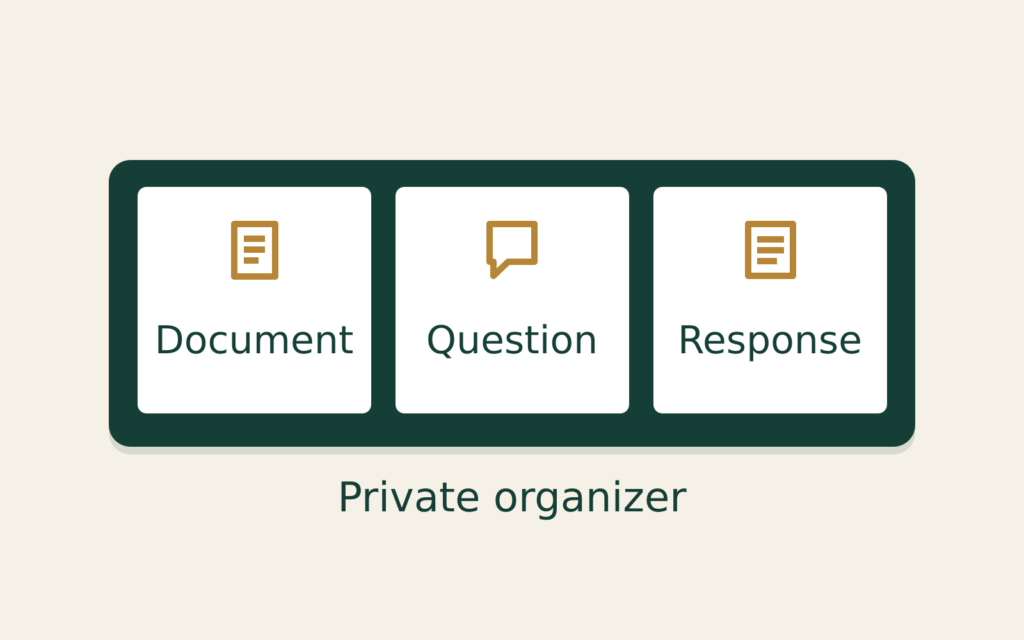
Keep a small private question index
| Record | Question |
|---|---|
| Dated document | What remains unclear? |
| Actual response | What was confirmed? |
For example, label a private folder “notice A” and record its date beside one unanswered question. When clarification arrives, append the response date and source. Preserve the earlier question so a later review can distinguish what was originally uncertain from what was explained.
Keep identifiers and documents private; never post them here. Record an actual answer, not an assumed outcome. This educational guide doesn’t verify anyone’s identity, determine tax liability or submit a response. Sources checked October 29, 2026 UTC.


