Life Insurance Illustrations: Guarantees and Assumptions
Read one complete illustration before comparing it with another. Keep the explanatory pages, not just the page containing the largest numbers. This guide…
Estimated reading time: 5 minutes
Read one complete illustration before comparing it with another. Keep the explanatory pages, not just the page containing the largest numbers. This guide concerns U.S. nonvariable cash-value life insurance, not annuities, credit life insurance or a recommendation to buy, replace, surrender or borrow against a policy.
Identify which illustration you have
The NAIC describes three illustration types in its model framework. A model isn’t itself a nationwide law; applicable state requirements and the actual policy still matter.
| Type | Reading purpose |
|---|---|
| Basic | The main sales illustration |
| Supplemental | An additional presentation referring back to the basic illustration |
| In-force | An update for an existing policy |
A supplemental page isn’t a replacement for the complete basic document. Under the model, it points back to that document for important information. For an existing policy, ask the insurer which current in-force illustration is available rather than assuming the original sales document describes the current position.
Keep the document’s preparation date beside its type. An updated illustration and an old sales presentation are different versions, not two interchangeable pages from one report.
Separate guarantees from assumptions
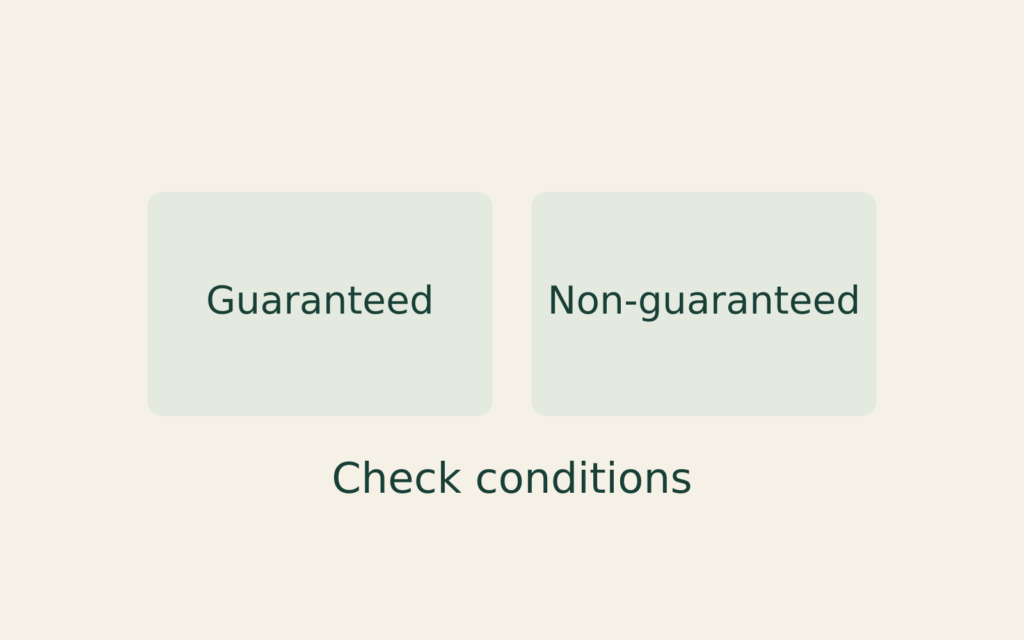
California’s insurance guide explains that illustrations generally show both guaranteed results and results based on non-guaranteed items continuing at their present levels. Actual results can be more or less favorable than the non-guaranteed figures.
Keep the two sets of columns separate. A favorable projected value shouldn’t be copied into a guaranteed-value column simply because both appear on the same page. Read the policy conditions associated with the guarantees rather than treating a heading as permission to change premiums or other contract terms.
For your review, choose one policy year and locate the corresponding entries across that row. Preserve each column’s full name. Then repeat the check at a later year instead of comparing one early guaranteed figure with an unrelated later projection.
Read the labels and payment assumptions
NYDFS’s August 2008 illustration guidance provides useful reading prompts, including preparation dates, page counts, assumed payment timing, and definitions of column headings. Its discussion concerns New York requirements; it isn’t a nationwide checklist of legal duties.
The guidance distinguishes an account or accumulation value from the value available upon surrender after applicable surrender charges, loans and loan interest. Similar-looking dollar figures therefore need their own labels.
It also addresses illustrations that use policy values to meet charges: a projected reduction in outside premium payments doesn’t necessarily mean the policy is paid up. Ask which payment assumptions support the displayed coverage and what could require continued or resumed outlays. This is a question for the insurer, not an instruction to stop paying.
Check what the example assumes about you
MassMutual’s educational example illustrates a particular whole-life policy using a specified insured profile, state, death benefit and premium schedule. It also identifies a paid-up-additions dividend option. These are inputs to that example, not universal terms for everyone who requests an illustration.
The company explains that dividends used to purchase additional paid-up insurance can affect both cash value and death benefit. Ask which dividend option your own document uses and how that choice is reflected in its headings and notes.
Also check the insured’s age, smoking and health classification, state, requested coverage and payment schedule. A different profile or schedule can describe a different proposal. Don’t substitute the provider’s sample values for a personal quotation or treat its example as an endorsement of that product.
MassMutual illustration explanation.
Keep the delivered policy in the review
The NYDFS consumer FAQ advises comparing similar policies and explains that New York policies provide a review period after receipt, described in a free-look notice on the policy’s cover. The period varies with the policy; don’t assume a nationwide deadline from this example.
Record when you received the policy and read its own notice promptly. An unresolved question about an illustration shouldn’t cause you to overlook a separate notice or deadline. Ask the insurer or your state insurance department about unclear instructions; this guide makes no cancellation request or deadline calculation.
New York’s FAQ also notes that its department licenses insurers but doesn’t rate their financial condition. Private rating services perform financial analyses. A license check and a financial-strength assessment answer different questions; neither makes an illustration a personalized recommendation.
Leave a review trail you can use
Number the questions you can’t answer from the supplied pages. Beside each, record the document title, page and passage that prompted it. Keep the provider’s answer separate from your own interpretation, with the date and the name of the person responding.
If a revised document arrives, retain both versions. Mark which question it addresses and whether anything remains unresolved. Don’t erase the earlier file or silently combine favorable passages from incompatible versions. Your finished record should explain what you reviewed and what you still need clarified, not imply that a purchase or contract change has been approved.


Roth Conversion and Account Clocks
Separate five-year tests.

ABLE Distributions Across Month-End
Separate retained purposes.