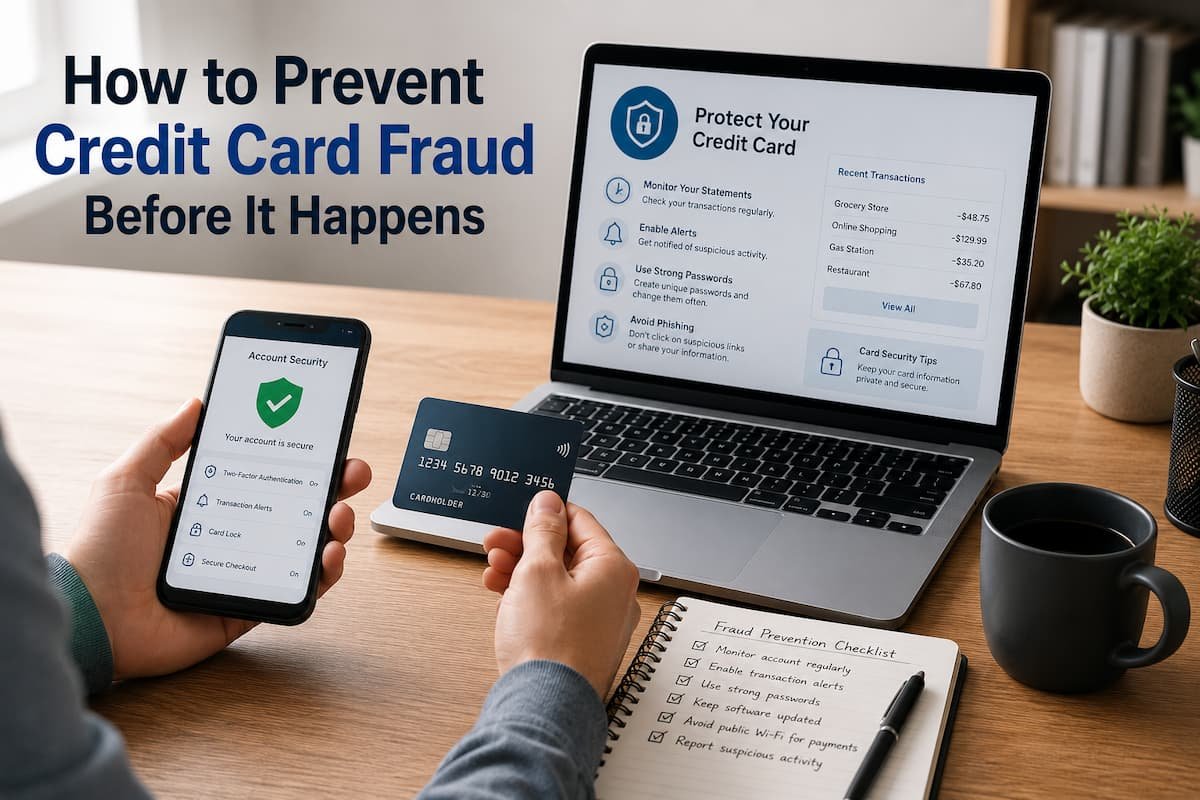
How to Prevent Credit Card Fraud Before It Happens
Understand Credit Card Fraud’s Origins
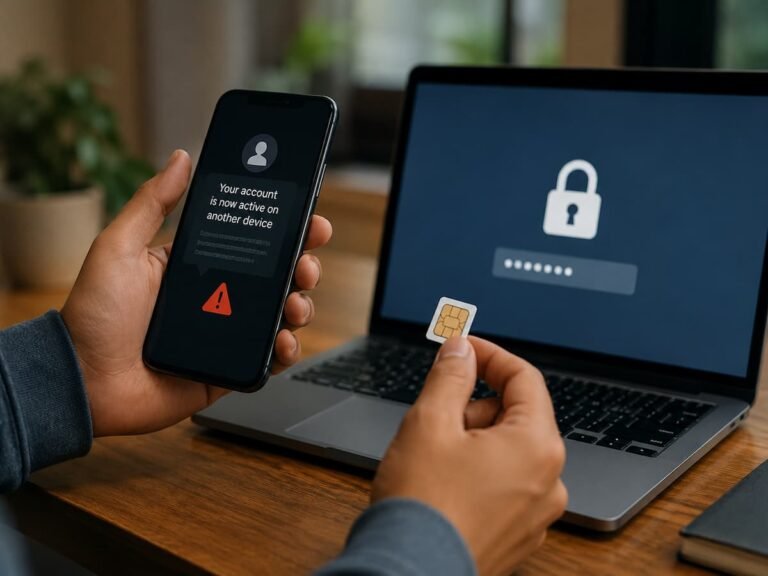
Many ways exist to commit credit card fraud without physical theft. Phishing, phoney websites, stolen online accounts, data breaches, and fraudulent payment terminals can steal card information. Scammers sometimes don’t need your card. Card numbers, expiration dates, security codes, and account passwords can be used to make unauthorized transactions.
Losing a card is different from exposing card information. You can notify your issuer immediately if your physical card disappears. Because you may still have the card in your wallet while someone uses the account details, stolen information is tougher to discover. Understanding these threats alters your defenses. You must go beyond protecting your physical card. Your internet accounts, email, phone, computer, shopping habits, and financial document disposal can damage your security.
Activate Account and Transaction Alerts
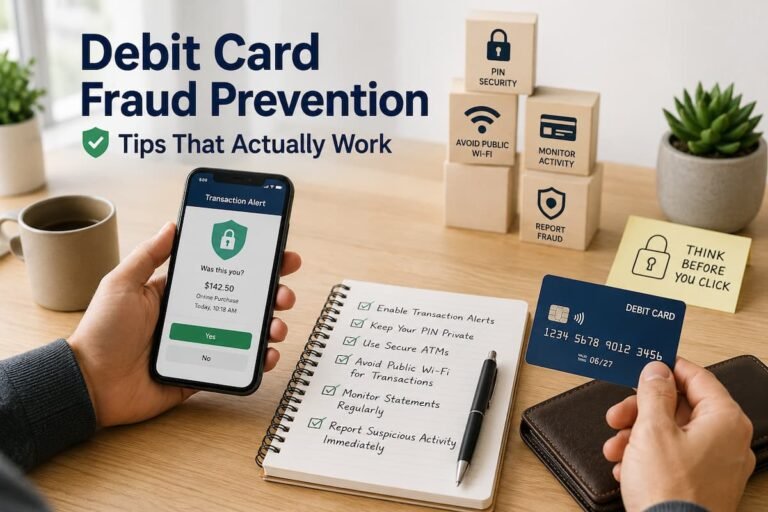
Enabling credit card issuer notifications is a quick way to spot fraud. The issuer may notify you of transactions, purchases over a specific amount, or unusual account behavior. You get speed from these alerts. You can investigate a suspicious purchase notification while it’s still recent. A subscription renewal or family member transaction may be valid. You can notify the card issuer immediately if it’s fake.
Do not rely solely on bank fraud alerts. Some automated methods are useful, but not ideal. A purchase may not instantly trigger an alert if the issuer’s systems don’t see it as unusual. Your notifications and account reviews add security. See what alerts your card issuer offers on its mobile app or website. Avoid clicking links in unexpected emails or texts to activate financial notifications. Instead, use the official app or type the website address.
Financial Account Passwords Should Be Strong and Unique
Credit card accounts are only as secure as their online accounts. Someone who gains access to your banking or card account may view sensitive information, change account settings, or attempt unauthorized actions. Create a strong, unique credit card password and don’t reuse it on other websites. If another website suffers a data breach and exposes your reused password, criminals may try it on financial accounts.
A password manager generates and stores unique passwords for each account, making this easier. Only the password manager’s password is needed. Use a trusted service with a strong master password and security features. Consider enabling multi-factor authentication if your card issuer offers it. It adds another verification step when signing in or performing sensitive actions. An account can still be compromised, but it’s harder.
Suspect Unexpected Card Messages
Criminals often use phishing to steal financial information. A notice may say your card has been locked, a payment failed, or suspicious behavior was found. The notification may tell you to visit a link and prove your identification instantly. The message can look convincing. It may use the name and branding of a real financial institution, and it may create a sense of urgency. That hurry is part of the trap. The idea is typically to have you respond before you have time to think.
If you receive an unusual message about your credit card, do not use the URL or phone number provided in the message to investigate. Open your card issuer’s official app, visit its official website using a trusted address, or call the number printed on the back of your card. Be especially wary if a message asks for your whole card number, account password, security code, or one-time authentication code. Legitimate companies normally have established protocols for validating your identification, but unexpected requests for sensitive information should always be considered carefully.
Shop Online Without Giving Away More Information Than Necessary
Online shopping is convenient, but every website where you enter payment information creates another place where your data could potentially be exposed. That does not imply you should avoid online purchasing. You should be selective about where you give your card info. Make sure you’re on the right website before paying. Brand recognition does not guarantee that every search result or ad leads to the real company. Examine the online address and avoid submitting card information on unfamiliar sites with tempting pricing.
Use reliable payment options that limit retailers who store your primary card information. Certain financial institutions and card issuers offer virtual card numbers or other security features. What protections are available depends on your issuer’s official resources. Update your browsers and devices. Security updates patch attacker-exploitable vulnerabilities. Avoid entering sensitive information on shared or unsecured computers and use reliable security software.
Protect Your Card When Shopping in Person
Physical card security matters. When possible, leave your card visible when paying at a store, restaurant, or other establishment. If someone takes your card to conduct a transaction, pay attention and retrieve it quickly. Beware of damaged, loose, or strange payment terminals. Modern payment methods and chip technology have reduced card fraud, but criminals have employed gadgets to steal payment information. If a terminal looks suspect, use another payment method or ask the vendor.
Check the ATM before inserting your card. Avoid compromised machines and unpleasant locations. When entering your PIN, cover it even if no one is watching. Simple behaviors can secure your physical card and its data.
Check Credit Card Statements Regularly
Keep track of account activity even with transaction alerts. Quick reviews can uncover modest unauthorized purchases that can go undetected. Criminals may test stolen card information with a modest transaction before trying larger ones. Check merchant, transaction amount, and date. The name on your statement may not match the store or service you remember. A parent company, payment processor, or business’s legal name may appear in a lawful transaction.
If a charge is unfamiliar, research before assuming fraud. Review receipts, subscriptions, family purchases, and digital services. If you can’t identify the transaction, contact your card issuer officially. Include account reviews in your financial routine. Once every few months is better than nothing, but reviewing transactions regularly increases your chances of catching unauthorized activity quickly.
Consider Where You Save Card Information
Saving your credit card number in every online shopping account is convenient, but it adds payment information to more accounts. Payment information could be compromised if one of those accounts is compromised. All saved cards need not be removed from all websites. Consider which accounts you use and trust. Avoid storing payment information on websites you infrequently access, especially if you stopped shopping there.
Use multi-factor authentication and unique passwords to secure shopping accounts. Because it can change passwords for other accounts, your email account demands special attention. Protecting your email can protect more than your inbox. Closing your account on a shopping site you no longer require is okay if the service allows it. Eventually, reducing your digital footprint can simplify account administration.
Public Wi-Fi: Use Credit Cards Carefully
Public Wi-Fi is helpful in airports, hotels, cafés, libraries, and other places, but avoid using it for critical financial transactions. An unfamiliar or poorly secured network increases security risks. When possible, check your account on your mobile network while away from home. VPNs can be used, but they cannot replace secure websites, strong passwords, or careful browsing.
If possible, avoid important financial transactions on public computers. The configuration and presence of unwanted software on those devices are unknown. Avoid keeping passwords or payment details in the browser if you must. Log out of financial websites after using them. This is especially crucial on shared devices.
Secure your Physical Card and Financial Documents
securing your credit card includes securing its written information. Avoid leaving cards in visible places. Consider whether you need all your cards every day. Financial statements and old statements can contain sensitive information. Consider secure destruction before throwing them away. Account-related documents should not be thrown away.
Lost your card? Act soon. Contact the issuer via the official app or phone number and follow instructions. Don’t wait days for the card. Reporting a missing card quickly lets you secure the account. Update valid recurring payments when replacing an expired or compromised card. Also, check the account to see which merchants have your card information.
Learn the Difference Between Fraud and Billing Error
Not all unfamiliar transactions are fraud. A merchant may use a different billing name, a membership may renew automatically, or a family member may make an unexpected transaction. So checking a transaction’s specifics before reporting it can be helpful. However, do not ignore a small charge. Do not ignore an unknown transaction, especially if it has nothing to do with your purchases.
If you suspect an unauthorized transaction, contact your card issuer immediately and follow its dispute or fraud-reporting process. Keep communication records and check your account afterward to ensure the issue was resolved. Protections vary by transaction, circumstances, laws, and card network rules. Account processes can be explained by your card issuer.
What to Do If Your Card Information Is Stolen
Do not wait for a fraudulent purchase if you suspect someone has your card details. Explain the incident to your card issuer officially. The issuer may suggest replacing the card, changing account credentials, or other precautions. After reporting the issue, carefully review recent transactions and monitor the account. Change your password if you used it on other websites, especially if an online account was compromised.
If your identity was compromised, you may need to take additional steps beyond replacing the card. This could involve evaluating your credit records, putting on a fraud alert, or freezing your credit. These safeguards address identity theft risks beyond one card. Use card issuer and government resources to decide what to do. Never pay a stranger to “recover” your money or secure your identity without confirming the service.
Simple Credit Card Security Routine
Several small habits working together provide the most protection. Use transaction alerts, unique passwords, email security, multi-factor authentication, and regular statement reviews. Be wary of unexpected messages and never let urgency force you to reveal sensitive information.
Online shoppers should check the website before submitting payment information. Protect your card and PIN when purchasing in person. Update your gadgets, avoid financial activity on shared computers, and choose websites that save your card information wisely. Above all, know how to handle discomfort. The idea is not to distrust every transaction or eschew credit cards. A routine should help you see unexpected activity quickly and provide a clear response.
Not every instance of credit card fraud can be stopped. For instance, a merchant data breach may occur without your fault. However, excellent security behaviors can lower risks and speed up problem-solving. Prevention, awareness, and quick action are one of the best methods to protect your finances over time.
FAQs
1. Can someone use my credit card without the physical card?
Absolutely. Criminals only need stolen credit card details to purchase specific items without the physical card. That is why protecting your card number, security code, online account details, and payment information is just as important as protecting the physical card itself.
2. Should I check my credit card account every day?
Not everyone needs to check daily, but doing so regularly can help you spot suspicious transactions sooner. You can set up automatic transaction alerts to receive timely notifications and review your statements regularly to identify transactions that might be missed by automatic alerts.
3. Is it safe to store my credit card details online?
While storing your credit card details online is convenient, it also means your payment information is saved across multiple accounts. Use trustworthy websites. Use strong passwords. Enable multi-factor authentication wherever possible. If possible, delete payment details stored in accounts you no longer use.
4. What should I do if I receive strange text messages from my bank?
Never click on links in unsolicited text messages or call the phone numbers listed in them. Instead, use your financial institution’s official app or visit the website by entering the official address or your card number into a reliable search engine. This prevents you from being redirected to fake websites or falling victim to scammers.
5. Is it easier to commit online fraud with a credit card than with cash?
Online payments carry some unique risks compared to cash payments, but credit cards also offer effective protection; furthermore, it is easier to identify and dispute unauthorized transactions with credit cards than with cash. The key is to choose secure websites, check transaction details, and act quickly if anything unusual is noticed.