Rate Transmission
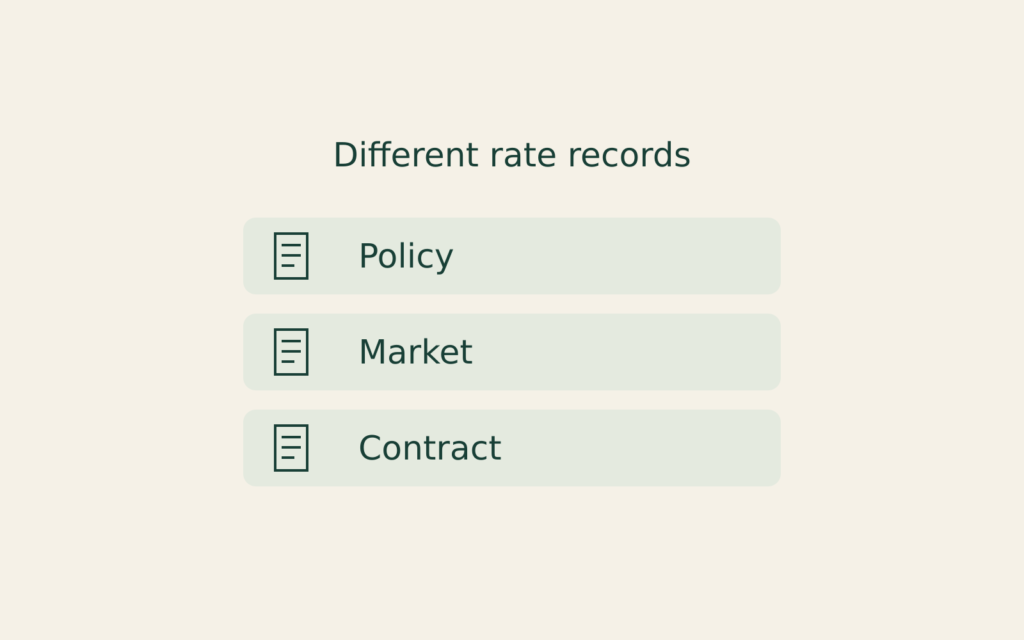
A rate announcement, a market yield and a contract reset describe different links between monetary policy and borrowing costs.
Estimated reading time: 3 minutes
A rate announcement, a market yield and a contract reset describe different links between monetary policy and borrowing costs.
Expectations reach beyond today’s announcement
The Federal Reserve Board’s transmission explanation connects longer-term borrowing rates to expectations about future policy and the economy, not just today’s federal funds rate.
Implementation is a separate step
The New York Fed’s implementation account distinguishes the announced target range from the effective federal funds rate. The latter is a volume-weighted median of the previous business day’s overnight transactions. It is an observation, not the range itself.
The New York Fed also says modest adjustments to administered operational rates within the target range may support rate control without changing the policy stance. A change to an implementation setting is therefore not necessarily a new tightening or easing decision.
Mortgage pricing adds other components
In May 7, 2026 research, Matthew McCormick and Srini Ramaswamy distinguish the agency mortgage rate paid by borrowers from the secondary-market mortgage-backed securities coupon. The difference includes guarantee fees, origination and servicing costs, and compensation for capital. Their views are the authors’, not Federal Reserve policy.
Principal amortization means a mortgage pays down over time rather than returning all principal at maturity like a conventional Treasury bond. Borrowers can also prepay, changing the investor’s expected cash flows. The authors explain that compensation for this option increases with interest-rate volatility. A thirty-year label does not make these cash flows identical to a thirty-year Treasury security.
A bank reference has its own definition
Bank of America’s prime-rate page, updated September 17, 2026, says its setting factors include the bank’s costs, desired return and economic conditions. Some of its loan documents use “reference rate” for this same rate. That is a bank-specific naming statement, not a rule that every document using that phrase identifies Bank of America’s prime.
Separate historical pricing from contract changes
The CFPB’s February 22, 2024 analysis examined average credit-card annual percentage rates on accounts assessed interest. It separated prime from the additional APR margin and reported that issuers had increased average rates beyond changes in prime. Its finding describes a historical population, not every cardholder’s pricing.
The report also examined direct-mail offers: more than half of issuers sent offers with a higher margin in the third quarter of 2023 than for the same product a year earlier. That comparison concerns offered pricing across dates.
The agreement supplies the observation date
A public Chase card agreement, whose rates table uses September 30, 2026 prime information, provides a concrete timing example. It calculates variable APRs using a margin plus the highest U.S. prime rate in The Wall Street Journal’s Money Rates section two business days before the statement closing date. Weekends and federal holidays do not count as those business days.
The agreement says a new rate applies from the first day of the billing cycle during which prime changed. It distinguishes amendments from prime-rate changes that can occur without an amendment. Those are this agreement’s mechanics, not a universal timetable for variable-rate borrowing.
Deferred Compensation
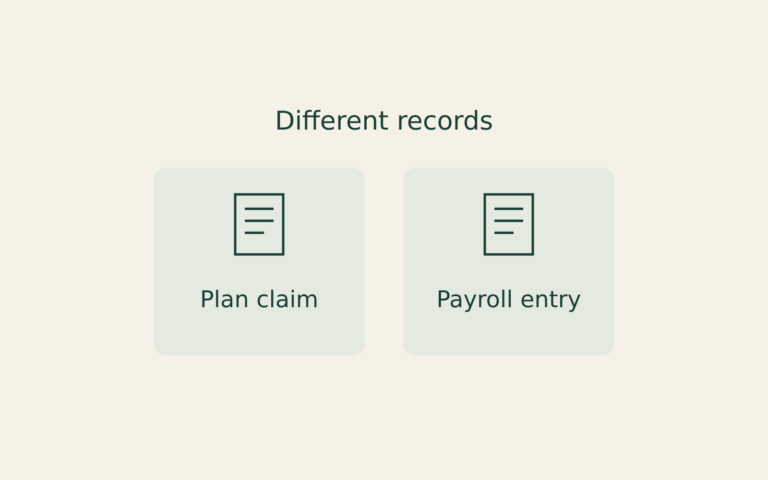
A deferred-compensation statement and payroll form can describe different rights and events.
Loan Horizons
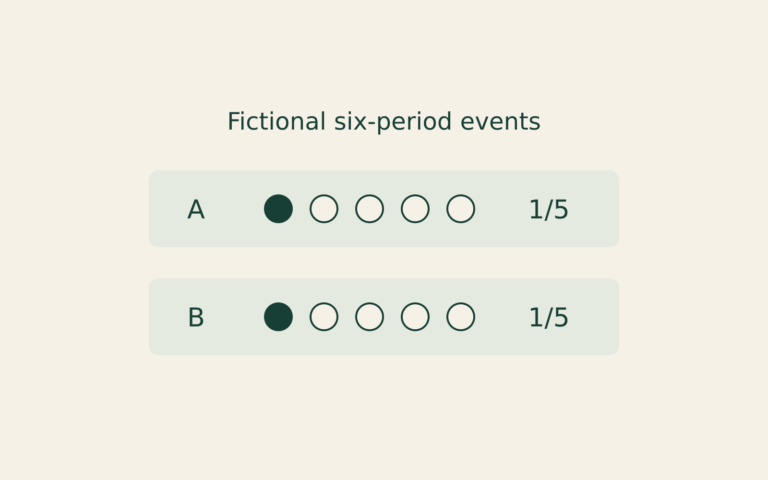
A smaller cumulative missed-payment count can reflect a shorter observation window. This fictional record exercise compares equal payment ages instead.
Energy Evidence
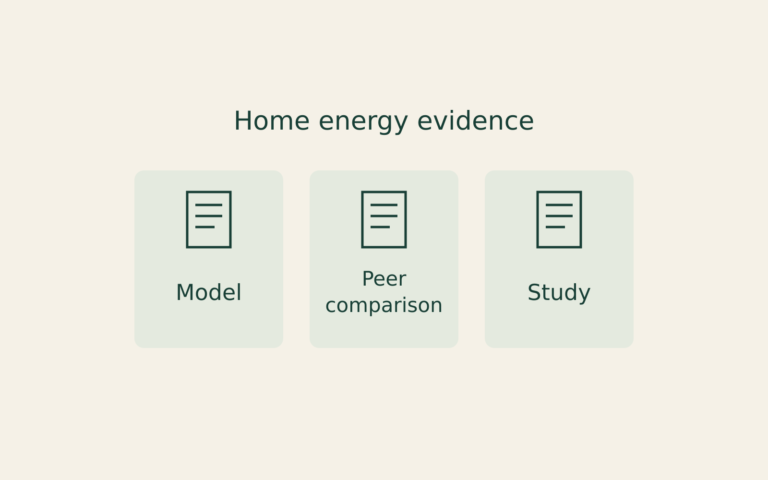
Before treating an improvement proposal’s projected energy savings as payment money, identify what its supporting evidence actually measures.