California Auto-Loan Title Release: What to Ask After Payoff
Ask your lender about title-release progress, what to expect next, and when to follow up. Keep the answers together using a private, dated worksheet.
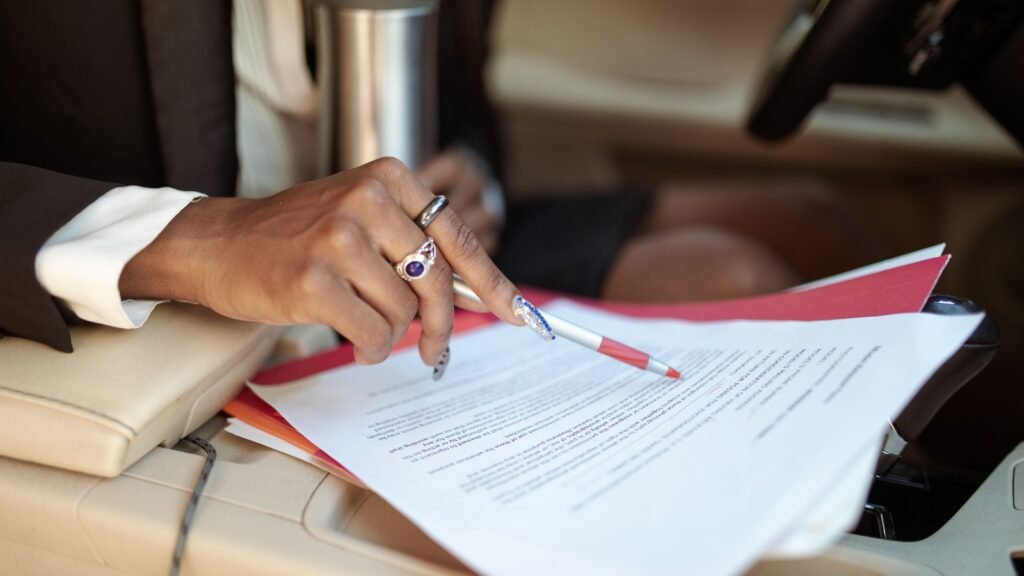
Paid off your California auto loan but unsure what happens to the title next? Ask the lender or servicer handling your account to confirm the release progress, the next expected document or confirmation, and your follow-up contact.
This guide is for the registered owner of a California-titled passenger vehicle who paid off their own auto loan and is keeping the vehicle and the same registered ownership. It is educational information, not individualized legal advice or a determination that any document establishes legal ownership.
It does not cover other states, dealer trade-ins, replacement loans, lease buyouts, title loans, salvage, death, gifts, disputed ownership, court remedies, or bankruptcy.
Five questions to ask about your title release
- Payment: Has my final payment been applied, and what written confirmation can you provide?
- Release progress: For my California-titled vehicle, what title-release action has been completed, on what date, and what remains outstanding?
- Next expected item: What document or confirmation should I expect next, who is responsible for sending it, and which destination is recorded?
- My next action: Do you need anything from me? If so, what exactly, and through which verified channel?
- Follow-up: Who should I contact if the expected item does not arrive, and what follow-up date should I use?
Confirm which procedure applies to your record
These brief official-source notes offer orientation. Ask which procedure applies to your actual record rather than guessing from a lender’s size or brand. The notes are not exhaustive application checklists or an assurance of a particular outcome.
For owner-paid ELT loans, the lienholder transmits release; DMV mails the owner a paper title.
Paper-title updates require the title, lender signature and applicable fees; DMV accepts office or mail submissions.
Check before choosing paperwork
REG 166 requires notarization; it excludes paperless titles and vehicles two model years old or newer.
If a paperwork question remains unresolved, ask the relevant organization to clarify what applies to your record. This guide does not provide a form-completion tutorial.
Keep one entry for each unanswered question
Use the questions above as entries in this reusable five-field worksheet:
- Question I need answered.
- Evidence I have and its date: Identify the saved receipt, message, or document.
- What is still unknown.
- Person or office contacted and reference number.
- Next action and the follow-up date they gave me: Include who will take that action.
“Unconfirmed,” “requested,” “answered,” and “checked” are personal bookkeeping labels, not official statuses. Leave missing answers unconfirmed. Keep promised actions separate from completed ones; one email should not close every question. Retain earlier answers when newer ones supersede them.
Keep this worksheet private. It is an organizational aid, not an official record, a legally sufficient submission checklist, or a request to submit every saved item.
Example: A receipt without release confirmation
Maya has a payment receipt dated October 6 and a generic congratulations message. She lists both in her evidence field but leaves release progress and the next expected document unconfirmed. She asks: “What title-release action has been completed for my record, what is still pending, and what document or confirmation should I expect next?”
She dates the request and records the contact’s name. The outcome and follow-up date remain unknown until answered; she makes no ownership conclusion from the receipt.
Example: A sending notice with conflicting addresses
Luis has an October 8 message saying an item was sent, but nothing has arrived. His notes show two different destination addresses. He asks the sender: “Exactly which document or confirmation was sent for my title-release request, and to which destination? What is the next step for my record, and when should I follow up?”
He records the discrepancy and request date. He leaves the next action and follow-up date unconfirmed until the reply supplies them.
Compare the document with the answer you received
When something arrives, identify which open question it answers. Compare names, vehicle details, and other identifying information with your records. Save the envelope or delivery record when useful. If details differ, note the exact discrepancy and ask the relevant organization to explain it rather than altering the document or declaring it invalid. Date your comparison and leave any unanswered question open.
Ask for help through an appropriate channel
DMV lists customer service at 1-800-777-0133; its chatbot warns against sharing personal information.
Keep account numbers, full identifiers, and documents out of public comments and unrelated third-party upload sites. Use your dated notes to ask about the specific release question still unanswered.
College Withdrawal Bill: Reconcile the School Account
Use three school records and a fictional $1,340 example to trace each adjustment, check a changed balance and organize questions for the right office.
Student Aid Credit Balance: Separate the School Ledger From Spendable Cash
Use two fictional aid snapshots and a private payment record to organize the amounts, permissions and dates behind a college-account credit.

Solar Loan Quotes: Compare the Cash Price Before the Low Rate
Match the installation scope, reconcile a fictional $6,000 financed-price uplift, and test the later payment if a planned savings payment never arrives.