California Unemployment Award: Calculation or Payment?
Distinguish a California unemployment award calculation from eligibility and actual payment records. Match each notice to its purpose before budgeting expected benefits.
Estimated reading time: 5 minutes
This guide concerns California regular unemployment records, not Disability Insurance, Paid Family Leave or another state’s program. It doesn’t determine entitlement, prepare an appeal or recommend borrowing against expected benefits.
Read the award as a calculation
California’s Notice of Unemployment Insurance Award, DE 429Z, expressly says it isn’t a final eligibility decision. Its weekly figure is a conditional maximum, not an automatic deposit promise.
The sample separates claim dates, maximum benefits, weekly benefits, total wages and highest-quarter earnings. Review the employer names and quarterly wage entries behind those figures.
Read both sides of your actual notice promptly. The reverse explains missing-wage questions. Follow its response instructions and dates rather than treating a general inquiry as a completed correction.
Application and certification are separate
EDD’s certification guidance describes a recurring process of answering questions about continued unemployment and eligibility, generally every two weeks. Filing the initial application doesn’t supply those later answers. Inaccurate or late certification can delay or prevent payment.
Read the questions for the particular weeks shown. If a question is unclear, use EDD’s explanations or seek clarification instead of copying a previous week’s response.
A waiting week isn’t simply elapsed time
EDD’s first-payment guidance describes a one-week unpaid waiting period. It can be served only through certification and satisfaction of that week’s eligibility requirements. Merely letting a calendar week pass doesn’t establish that the requirement was met.
The first certification will usually cover that unpaid week and one payment week if both meet the requirements. EDD says the waiting period doesn’t change the total benefits potentially available.
Identify which week EDD recorded as the waiting period and which evidence supports that status. If the record is unclear, ask about the particular week rather than inventing a completion date. EDD’s general processing estimate isn’t a guaranteed deposit date, and this guide doesn’t predict when a particular claim will be paid.
Match the wage record to the certification week
EDD’s work-and-wages FAQ says the weeks on the Continued Claim Form run Sunday through Saturday. A payroll period can use different boundaries. EDD suggests maintaining daily work and earned-wage records when those periods differ.
For a fictional sorting exercise, an employer’s pay statement covers Wednesday through Tuesday. It crosses two certification weeks rather than fitting wholly inside either one. Mark the Saturday boundary and connect each day’s work to the relevant week before asking about an uncertain entry.
This exercise supplies no earnings amounts or benefit reduction. It identifies a period mismatch, not a reason to omit wages. Keep the employer’s original statement intact; an annotated copy can explain the date mapping without rewriting the underlying payroll record.
An eligibility review can continue after money is issued
A conditional payment is issued while eligibility is being investigated. EDD identifies it through a Notice of Conditional Payment Pending Eligibility Review, DE 5400. A later ineligibility finding can require repayment.
Keep a conditional-payment notice with the affected weeks. If EDD issues a Notice of Determination, read what it decides and its response instructions promptly. Neither receiving money nor having an interview supplies a favorable final outcome. Seek qualified help if the decision or required response is unclear.
Read the status for the particular week
EDD’s payment-status guide distinguishes the issue date, amount and status in Payment Activity from weekly certification records in Claim History. “Pending” identifies an unresolved issue, not an issued payment.
“Paid” means payment was issued for that week; the label can include conditional payments.
Other labels describe different events. “Cancelled” concerns a cancelled payment, while “Credit Applied to Overpayment” means the entire benefit payment was applied to an overpayment. These aren’t interchangeable explanations for an absent deposit. Read the associated notice instead of treating every missing receipt as a bank delay.
Use confirmation and calculation details for different questions
The UI Online FAQ says a confirmation number records successful submission of a certification. Save it, but distinguish that submission evidence from a payment outcome. The FAQ also explains how previously submitted certification responses can be reviewed in Claim History.
Payment details identify how wages, overpayments and voluntary federal tax withholding affected a particular week’s calculation. That detail can explain why the payment differs from a headline figure without establishing that every entry is correct.
For an inquiry, identify the affected week and the specific line needing explanation. Preserve the original response and any correction separately. Don’t create a balancing entry just to make a payment match an expectation. A receipt, a submitted answer and a calculation answer different questions.
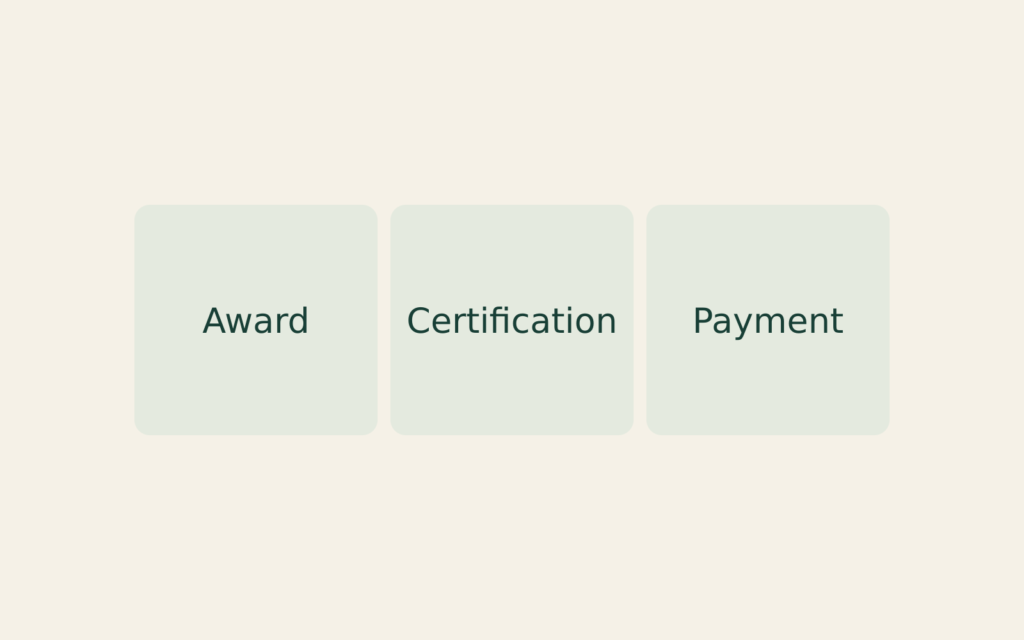
| Record | Question |
|---|---|
| Award | Calculation |
| Certification | Submission |
| Payment | Status |
Keep identifying numbers, wage documents and account screenshots private. Use verified EDD channels for case questions; don’t post personal claim records in public comments or send them to EasyLoanWorld.
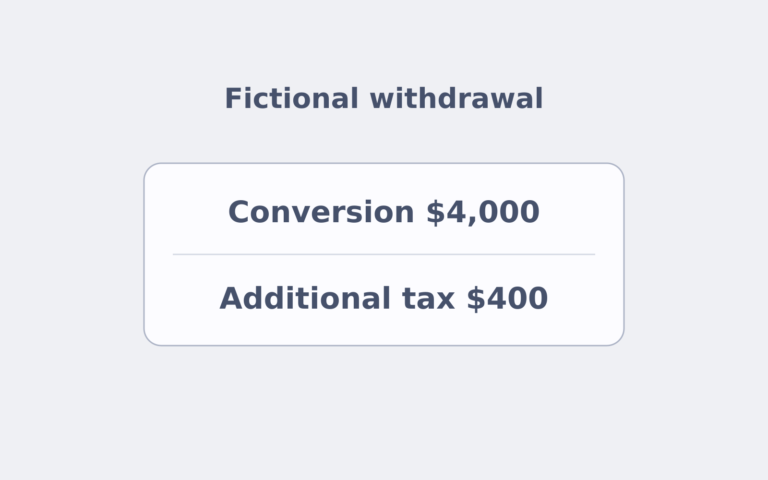
Roth Conversion and Account Clocks
Separate five-year tests.
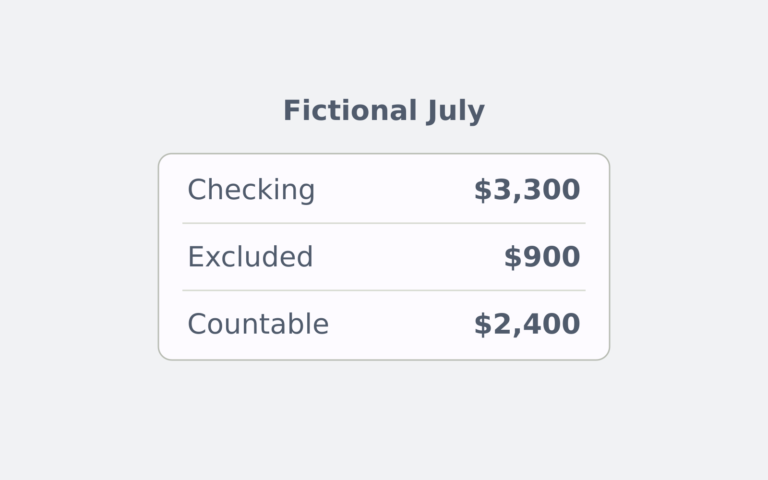
ABLE Distributions Across Month-End
Separate retained purposes.