Horse Purchase Records
Review financing, the horse’s examination, ongoing care and other purchase records separately before committing to buy.
Estimated reading time: 5 minutes
The loan is only one part of buying a horse. Review the animal’s examination, ongoing care and other records alongside the financing. These U.S. examples don’t recommend a purchase.
Read the actual purchase-loan terms
LightStream’s horse-loan page describes unsecured financing for a horse and related equipment. It identifies fixed-rate, simple-interest, fully amortizing installment loans without fees or prepayment penalties. That description isn’t a personal approval or a reason to borrow.
The page distinguishes quoted AutoPay pricing from invoicing pricing and says terms depend on purpose, amount, duration and credit profile. Its same-day funding statement has conditions: approval, a banking business day, agreement and funding information, and final verification by its specified cutoff. A seller’s requested payment date doesn’t establish that these conditions have been met.
Read the actual offer rather than treating the lowest advertised rate or fastest advertised timing as yours. This guide doesn’t quote a rate, submit an application or direct payment to a seller.
Commercial equine lending is a separate scope
Farmers National Bank’s equine page describes its Central Kentucky agricultural and livestock business focus. It discusses horse-business cash-flow cycles, market trends and underwriting, and lists operating lines, mare or stallion financing and farm financing.
Those are different business purposes, not a universal menu for every recreational buyer. A page headed “equine loans” therefore needs its surrounding scope read, not just its headline. The bank expressly makes loans subject to credit review and approval; its industry experience isn’t an approval of a particular horse or borrower.
An examination report isn’t the purchase decision
The American Association of Equine Practitioners’ reporting guidelines, revised in 2024, distinguish clinical reporting from the buyer’s business judgment about suitability. The veterinarian determines the examination’s extent and depth; the report is one factor in the purchase decision, not the entire decision.
The guidelines call for identification of the horse, examination date and place, involved parties, findings and qualified opinions about their significance. They also address documentation of procedures performed and recommended tests that the buyer requested not be performed.
That distinction matters when comparing documents: an omitted test isn’t a recorded normal result. Ask the examining veterinarian to explain the report’s scope and findings rather than interpreting them yourself. This financial-education guide neither evaluates soundness nor chooses examinations, treatment or a horse.
Compare what the boarding charge includes
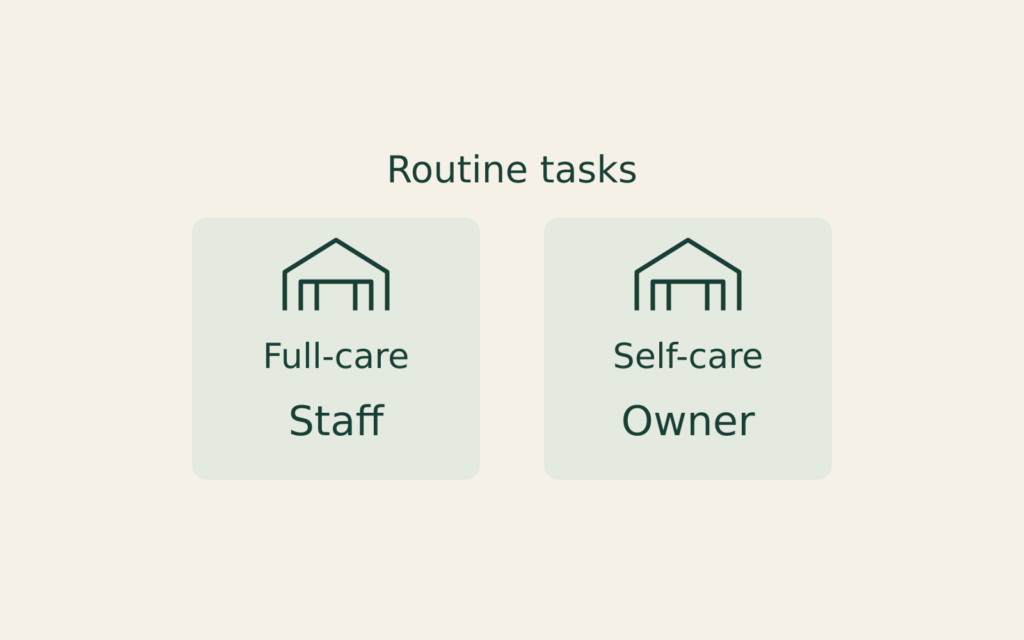
University of Missouri Extension’s buying guide distinguishes full-care, self-care and intermediate boarding arrangements. In its full-care description, staff perform tasks such as feeding, cleaning and turnout, with feed, hay and bedding often included. Self-care generally supplies the facility while the owner supplies those materials and performs the work. Individual facilities decide what they offer.
A lower board quote can therefore describe a different bundle, not the same service at a discount. Ask the stable which materials and tasks its written price includes. Keep separately purchased feed or bedding outside an inclusive-board subtotal unless the actual arrangement requires both; otherwise the same item can be counted twice.
The guide’s expense planner excludes the initial purchase and may omit other ownership costs. Its published dollar ranges aren’t used here as current local quotations.
Mortality and medical coverages answer different questions
Markel’s horse-insurance page describes agreed-value mortality coverage and optional medical or surgical protection. It also distinguishes full mortality from specified-perils coverage, which excludes death due to illness or disease. Don’t read the word “insured” as identifying all these coverages.
Its agreed-value explanation depends on accurate information. The insurer asks for documented purchase price, stud fee and show records; a value above the purchase price requires its substantiation process. A seller’s asking price isn’t automatically the amount an issued policy will pay.
Read the actual policy’s selected coverage and conditions with the insurer. The provider says availability and eligibility vary. This illustration supplies no premium, claim calculation, coverage determination or instruction about veterinary care.
Check the destination’s movement documents
USDA APHIS’s interstate-movement reference, updated January 25, 2026, says most states require individual identification and a Certificate of Veterinary Inspection for horses moving between states. Importing states dictate specific testing requirements and disease-related movement restrictions.
A purchase examination isn’t transport clearance. Before relying on a delivery schedule, ask the veterinarian and destination animal-health authority which current documents apply to that movement. The answer depends on the destination and circumstances, not this article’s general summary.
No transport booking, health certification or permission to move an animal is provided here.
For a registered Quarter Horse, check the registry packet
The American Quarter Horse Association’s transfer guidance calls for the original registration certificate and a completed transfer report or signed bill of sale identifying the registered horse and sale date, signed by its owner of record.
AQHA also advises checking the horse’s markings against the certificate and confirming that the seller is the recorded owner or authorized signer. These are association-record checks, not a conclusion about legal title, liens or a lender’s collateral rights.
If the horse, seller or certificate details don’t match, identify the discrepancy to AQHA rather than silently changing the paperwork. This breed-specific process isn’t a registration rule for every horse.
Roth Conversion and Account Clocks
Separate five-year tests.
ABLE Distributions Across Month-End
Separate retained purposes.