Securities-Backed Credit Line: Prepare for a Collateral Call
Separate a proposed response from the records showing it was completed.
Estimated reading time: 5 minutes
A securities-backed credit line can create two different questions: can you cover the regular payment, and can you respond if the lender wants money or collateral sooner? Review both before making spending commitments against an investment account.
This U.S. educational guide concerns securities-backed lines of credit, or SBLOCs. It doesn’t recommend borrowing, select investments or assess anyone’s portfolio. The document exercise below is fictional, not a lender’s notice or a universal response timetable.
Identify the loan before planning repayment
FINRA explains that an SBLOC is a revolving loan secured by investments. Monthly interest-only payments don’t eliminate the principal. SBLOCs are demand loans: the lender can call the loan at any time. A collateral maintenance call may require additional collateral or repayment when the pledged assets no longer provide enough support. Paying the ordinary monthly bill therefore doesn’t establish that the borrowing can remain outstanding.
Don’t confuse this product with a margin loan for buying securities. For example, Schwab Bank’s Pledged Asset Line is an uncommitted, non-purpose demand line. Its published restrictions prohibit using proceeds to buy securities or spot cryptocurrency, pay specified investment-related loans, or deposit money into a brokerage account. Those are this product’s restrictions, not a complete description of every lender’s contract.
Write the exact product and lender names on your review sheet. A nickname such as “portfolio cash” isn’t enough to identify the agreement. Attach the version you actually received, rather than relying on an advertisement for a similarly named account.
Check what can change after approval
Wells Fargo Advisors’ current guide warns that market movements can reduce collateral value and that the lender may change loanable values without advance notice. Its disclosures also describe securities sales without notification and potential borrower responsibility for a remaining shortfall plus interest. Its maintenance-call warning says notification may be attempted but isn’t required. These risks aren’t equivalent to a fixed installment schedule.
FINRA also warns that previously eligible securities can become ineligible. Don’t assume that an unchanged market price prevents a collateral problem.
Ask for the provisions governing your account rather than treating a website summary as a personal commitment. Record which answer comes from the agreement and which is merely an explanation from a representative. Keep unresolved differences visible.
A fictional call and three possible funding records
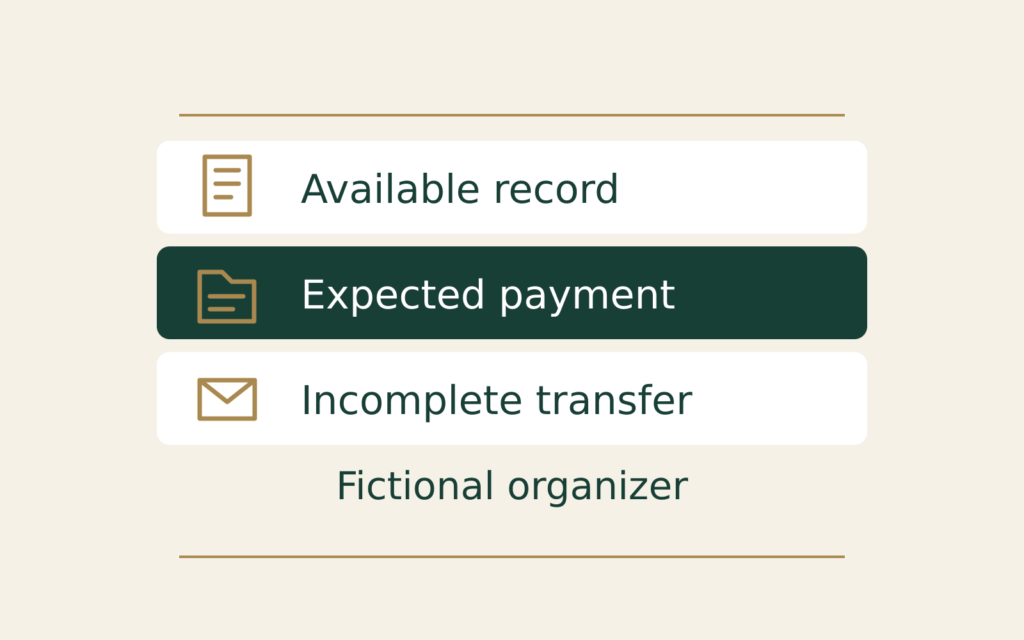
Imagine Morgan receives an authenticated lender instruction requesting action by Thursday afternoon. For this exercise only, assume the instruction permits a cash repayment and identifies the amount and destination clearly. Morgan has three records: money already available in a separate bank account, an expected customer payment on Friday, and a transfer request that has been submitted but not completed.
The question isn’t which investment Morgan should sell. It’s which record supports the proposed response, and which still contains an assumption. No actual deadline, transfer speed, acceptable asset or cure amount is supplied by this illustration.
| Record | What remains to check |
|---|---|
| Available bank money | Actual amount available, delivery route and receipt confirmation |
| Friday customer payment | Whether it arrives; Friday is after the assumed Thursday deadline |
| Submitted transfer | Completion status; a request is not a receipt |
Morgan shouldn’t label all three records “ready.” The second relies on a future event after the stipulated deadline. The third establishes an instruction, not completion. The first is the strongest starting evidence, but still doesn’t prove that the lender has received anything.
This distinction remains useful without a dollar calculation. Adding precise amounts to an unconfirmed arrival date wouldn’t resolve the missing evidence. Keep the source record and its timestamp beside each status.
Build the contingency file before you need it
Confirm the actual lender and servicing contact; FINRA notes that the investment professional may not be the loan contact. Clarify who monitors the collateral and how communications reach you.
Ask what the agreement permits if collateral support falls, how the required response is determined, and whether the lender can sell before contacting you. Don’t assume a conversation pauses enforcement or that you choose the securities sold.
Keep four items together: the agreement, the latest dated account record, the relevant communication and a running question log. For every unresolved question, name the person or department expected to answer it. Record an answer as received, not as requested.
When a notice arrives, separate its stated requirement from your proposed response. Preserve the original and verify unexpected instructions through an independently established contact. Ask promptly about unclear wording or inconsistent figures; don’t silently substitute a familiar monthly-payment amount.
Finally, compare the proposed response with its completed evidence. A call note, transfer instruction and receipt answer different questions. Retain the lender’s confirmation of the resulting account status. If the terms or consequences remain unclear, seek qualified financial, legal or tax guidance before relying on your interpretation.
Sources checked October 29, 2026. FINRA’s explanatory article is dated January 3, 2024. Provider examples illustrate published terms and risks, not endorsements or offers.

Parent Pays Student Loan Interest: Who Deducts?
Separate payment and obligation.

Returned Loan Debit: Two Fees?
Trace the payment and fees.

Rehabilitation Payment Too High?
Check an alternative request.