Settlement Proceeds Records
Separate settlement funding agreements, acknowledgments and distribution records. These examples don’t determine entitlement, tax liability or financing suitability.
Estimated reading time: 5 minutes
Settlement-related records answer different borrowing questions. These examples don’t determine personal legal entitlement, tax liability or financing suitability.
Locate the separate Oasis attorney acknowledgment
Oasis Financial’s FAQ says its written pre-settlement funding agreement identifies the assigned ownership amount, fees and treatment if the case produces no recovery.
The provider separately describes an applicant’s contract and an attorney’s acknowledgment. Its published sequence calls for both signed documents before processing the request. An attorney’s awareness of a funding inquiry is therefore not the same document as that acknowledgment, and the acknowledgment isn’t the applicant’s own contract.
Oasis says pricing depends on the case and that payment comes from settlement proceeds. It also says the existing attorney-fee agreement remains in place. This guide doesn’t adopt the website’s broad safety claims or decide whether a particular transaction is legally a loan.
Separate the disputed portion in the distribution record
California Rule 1.15 requires a lawyer to account in writing for held funds and promptly distribute undisputed funds the client or another person is entitled to receive. This is a California rule, not a nationwide payment timetable.
The rule defines undisputed funds by a fixed ownership interest and absence of unresolved entitlement disputes. A disputed portion claimed by the lawyer can’t be withdrawn until the dispute is finally resolved. These descriptions concern portions of the funds, rather than treating the entire account as one undifferentiated amount.
The accompanying comments identify possible entitlement disputes involving attorney fees, costs or expenses, and bank policies or fees for clearing a check. This guide doesn’t determine entitlement or instruct an attorney to release or retain an actual payment.
Distinguish Medicare’s interim letter from later correspondence
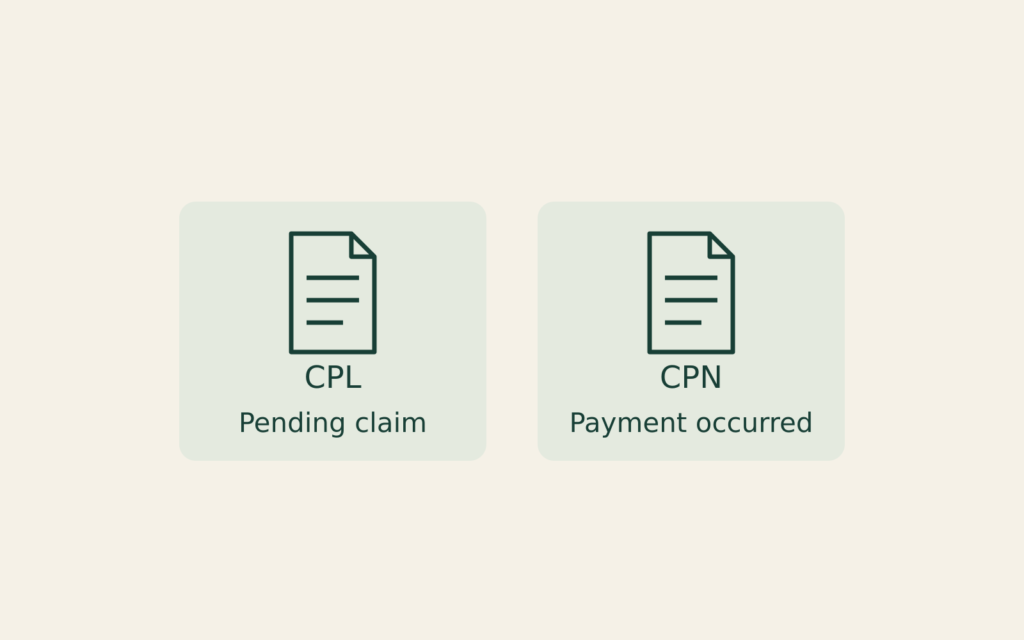
For applicable Medicare recovery situations, CMS’s conditional-payment explanation, last modified September 2024, identifies a Conditional Payment Letter and its Payment Summary Form. The summary lists items or services identified as related to the pending claim.
The letter’s total is interim: Medicare may make additional payments while the claim remains pending. A copied amount therefore needs its document date and status, rather than being treated as an unchanging final figure. A Conditional Payment Notification is a different document issued when a settlement, judgment, award or other payment has already occurred.
CMS also distinguishes recovery pursued against an insurer or workers’ compensation entity from recovery pursued against the beneficiary. A beneficiary may receive a copy of correspondence addressed to the former. Identifying the addressee and recovery route is different from calculating what the beneficiary owes. No individual recovery amount is calculated here.
Keep payment purpose with the tax records
The IRS settlement-tax explanation asks what the payment was intended to replace. The underlying facts and circumstances matter; the label “settlement” doesn’t establish a single tax result.
Its review includes the original petition, complaint or claim and settlement agreement to establish the grounds for the lawsuit. The source also asks for letters or statements addressing taxation of the proceeds. Those documents preserve the described purpose; they aren’t replaced by the payment amount alone.
The IRS also discusses separate information returns for the attorney and plaintiff in specified taxable attorney-fee award circumstances, even when only one fee check was issued. Consequently, the number of checks isn’t a substitute for identifying the payee and reporting purpose on each form. This is a reason to retain the complete documents for qualified tax review, not a calculation of anyone’s taxable award or deductible legal expenses.
Locate the insurer’s remaining-payment letter
New York Life’s structured-settlement service page says it doesn’t send monthly or annual statements because payments follow the settlement terms. It can provide a benefit letter showing the remaining scheduled payments, mailed to the address on record rather than sent by fax or email. Its page also says there’s no client portal.
The provider distinguishes payment release from the effective date. It generally releases funds several business days beforehand; electronic posting dates can vary with month length, weekends and holidays. Those are its servicing descriptions, not a universal bank-arrival guarantee.
The page separately distinguishes guaranteed payments from life-contingent payments without a guarantee. The latter cease at the annuitant’s death; remaining guaranteed payments involve beneficiary records and claim requirements. A remaining-payment letter should therefore be read with the applicable guarantee condition, not treated as an unconditional balance payable to anyone who possesses the letter.
Read the written payment-rights comparison
The CFPB’s April 2024 guidance identifies specific information for a written structured-payment buyout comparison: the total remaining payments, their value in today’s dollars, the number of payments, the proposed lump sum and all fees, interest or discount rate and costs.
A total of future payments and a present-dollar valuation are separately listed fields. Neither should silently replace the proposed cash amount in the same comparison. Likewise, a quoted discount rate is one listed term, not a complete description of all charges.
The guidance also calls for written cancellation rights because applicable state law can matter. It recommends an independent evaluation rather than relying only on a recommendation from the company seeking the payment rights. This section identifies information in an existing proposal; it neither recommends selling payments nor determines a cancellation deadline, court requirement or effect on public benefits.

Parent Pays Student Loan Interest: Who Deducts?
Separate payment and obligation.

Returned Loan Debit: Two Fees?
Trace the payment and fees.

Rehabilitation Payment Too High?
Check an alternative request.