Substitute Check or Online Image? Read the Check 21 Notice
Identify the document, reporting requirements and unresolved evidence without assuming every check image qualifies for special recredit.
Estimated reading time: 5 minutes
A check image in online banking isn’t automatically a substitute check. That distinction matters when reading a bank’s Check 21 notice, but it shouldn’t delay reporting a suspected account error.
Identify the document first
The OCC’s Check 21 overview describes a substitute check as a special paper reproduction containing information and endorsements from both sides of the original. Banks can use electronic images in processing and create these paper replacements. The existence of electronic processing doesn’t turn every screenshot into that legal document.
An image statement is a different record
The Federal Reserve’s consumer FAQ distinguishes a substitute check from a statement displaying pictures of checks. Receiving only the latter doesn’t qualify someone for the special expedited-recredit procedure. Other protections against improper check charges may still apply.
A substitute check has prescribed features, including a statement identifying it as a legal copy usable like the original. Don’t decide its legal status solely from the size of the image or a filename.
If you request an original, the bank might provide a substitute check or an ordinary copy instead; it isn’t required to supply a substitute check on demand. Ask what document was supplied and retain its accompanying disclosure. This guide concerns consumers’ deposit-account records, not business-account claims.
Check the conditions and the reporting clock
Section 229.54 requires good-faith assertions that a provided substitute check was charged to the consumer’s account, the charge was improper or a warranty claim exists, a loss resulted, and an original or sufficient copy is necessary to determine validity. Merely disliking an entry isn’t the complete test.
Generally, the bank must receive the claim by the end of the 40th calendar day after the later of its mailing or agreed delivery of the relevant statement or substitute check. This isn’t simply 40 days after you notice a problem. Extenuating circumstances require a reasonable extension.
The bank may require writing. For an oral claim, it must explain that requirement then and may require written receipt by the tenth business day after the banking day it received the oral claim. Timeliness depends on the applicable requirements. Contact the bank promptly; don’t wait to finish this worksheet or assume a general inquiry is a complete claim.
Locate the missing evidence
The Federal Reserve’s model disclosure organizes information around the alleged problem, estimated loss, why the substitute check is insufficient to confirm it, and identifying details. Use the actual bank notice for its contact instructions.
Separate an unexplained amount from a claim that the same check was charged twice. Identify the entries involved rather than treating every similarly sized debit as a duplicate. A missing or unclear document should remain an open evidence question, not be replaced with a guessed explanation.
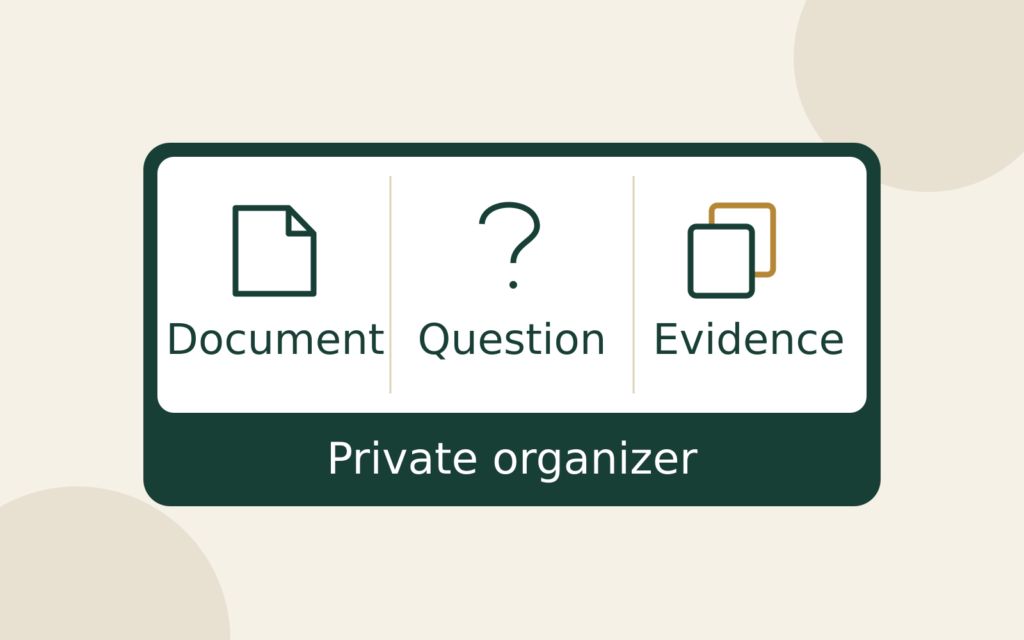
Keep sensitive check and account information within the bank’s verified private process. The organizer below uses document references, not real account numbers, signatures or check images.
Read the bank’s result, not just a credit
The official commentary explains that a recredit can later be reversed if the claim is found invalid. Recredited funds can also have availability restrictions in specified circumstances. A posted credit is therefore not a universal promise of final resolution or immediate withdrawal.
If the bank denies a qualifying claim, its notice must explain why the charge was proper or the warranty claim invalid. It also supplies the original or sufficient copy, subject to permitted electronic-delivery arrangements, and additional relied-on evidence or information about requesting it.
The commentary also distinguishes receiving a substitute check from still possessing it: the consumer must have received one, but need not still hold that document when submitting the claim. Preserve the actual known delivery record.
Match the explanation to your question. A document can resolve an amount dispute without answering an unrelated account concern. Preserve the decision and any reversal notice rather than inferring the result from a balance alone.
No substitute check doesn’t mean no remedy
The OCC’s checking-account guide distinguishes conventional check disputes, Check 21 and electronic transfers such as checks converted to ACH debits. The processing route affects the rules; state check-law requirements can differ.
Ask which procedure applies to the actual transaction and what reporting requirements remain. Don’t import a debit-card deadline into a paper-check dispute, or treat missing original paper as a reason to do nothing. Seek qualified help if a material dispute remains unresolved.
Keep a compact private question index
| Reference | Question to preserve |
|---|---|
| Document A | What exactly was supplied? |
| Communication B | Which question did the response answer? |
| Open item C | What evidence remains missing? |
Record each source and date without overwriting earlier versions. This guide doesn’t submit a claim, establish entitlement, calculate an individual deadline or authorize spending. Official sources checked October 29, 2026.


Roth Conversion and Account Clocks
Separate five-year tests.

ABLE Distributions Across Month-End
Separate retained purposes.