
Who Qualifies for FAFSA Grants and Free Aid
What Does FAFSA Have to Do with Free Aid?
FAFSA is the Free Application for Federal Student Aid. FAFSA is not a grant, scholarship, or payment. Instead, FAFSA determines federal student aid eligibility and may be used by states, institutions, and other aid programs. Your Student Aid Index (SAI) is calculated when you fill out the form. The SAI is a school financial need index, not a bill or family obligation. After admission and eligibility evaluation, your school determines the aid it offers. Your FAFSA Submission Summary may approximate federal aid.
Because many newcomers think FAFSA ensures a grant, this distinction is crucial. It doesn’t. Completing the form gives you access to qualified aid, but the amount and type depend on your financial information, enrollment, program, school, and aid restrictions. FAFSA provides access to federal scholarships, work-study, and loans, and states and schools can utilize the information for their own programs, according to Federal Student Aid.
Who Gets FAFSA-Based Federal Aid?
No single income cutoff determines student eligibility. Several factors determine your eligibility for federal aid, and each type has various requirements. You must meet federal student aid standards, complete the FAFSA, be enrolled or accepted for enrollment in an approved program at a participating school, and meet other program-specific requirements. Academic progress, citizenship, and other federal requirements can also matter.
Many students start by completing the FAFSA rather than calculating eligibility. The Department of Education warns students not to think their income disqualifies them from a Pell Grant. Pell eligibility involves family size, tax filing status, and federal poverty requirements in addition to income. This means two households with equal earnings may receive different aid due to their varied situations.
| Situation | What It Can Mean |
| Undergraduate student with financial need | May qualify for a Federal Pell Grant if other eligibility requirements are met. |
| Student attending a participating college, career school, or trade school | May be considered for federal aid and potentially state or institutional aid. |
| Student with limited financial need | May not qualify for certain grants but could still be considered for other forms of federal or school aid. |
| Student who submits FAFSA late | May still qualify for some federal aid if the federal deadline has not passed, but state or school aid may have earlier deadlines or limited funds. |
| Student who already has a bachelor’s degree | Generally will not qualify for a Federal Pell Grant, although other types of aid may still be available depending on the program. |
Pell Grants Are Most Undergraduates’ Main Source of Free Federal Aid
The Federal Pell Grant is often the first FAFSA grant mentioned. Pell Grants are given to financially needy undergraduates without a bachelor’s, graduate, or professional degree. Undergraduates can be considered regardless of age. If they meet the program’s other standards, people returning to college after several years may benefit.
Not all qualified students receive the same Pell Grant amount. The maximum Federal Pell Grant for 2026–27 is $7,395, but eligibility, enrollment status, cost of attendance, and other factors can affect the amount a student receives. Lifetime Pell Grant eligibility is limited to 600% Lifetime Eligibility Used, or six years of full-time awards. Students should see Pell funding as a limited college financial option.
Beginners should know that Pell Grants are not limited to four-year universities. Community colleges, career schools, trade schools, online schools, and four-year institutions are eligible. If you’re considering non-traditional education, FAFSA-based aid may be available. Before you choose, make sure the school and program qualify for federal student aid.
Does Income Determine FAFSA Grant Eligibility?
There is no rule that everyone below a certain income qualifies and everyone over it receives nothing. Federal aid takes a broader financial view. The FAFSA may examine family size, income, tax information, assets, and other criteria, depending on the aid program and your situation. This is why students should avoid online income predictions and advice from peers with different families.
Consider two students with equal family incomes. One may live in a larger home, while the other may have a different family or finances. Their FAFSA results may differ. This does not mean that students with larger families receive more aid, but it shows why an income-only test might be misleading.
Do not reject yourself before the government or school evaluates your application. Though your family may earn too much for a Pell Grant, you may be wrong. You may be making an assumption that the formal process needs to verify if you think your low income guarantees a grant. Filling out the FAFSA is the most accurate approach to determine your eligibility.
Dependent and Independent Students Are Treated Differently
The FAFSA distinction between dependent and independent students is perplexing. Feds ask specific inquiries to determine dependent status for student aid. It’s not decided because you live away from your parents, pay some of your own bills, or aren’t a parent’s tax dependent.
FAFSA may request parent contributor information if you are a dependent student. A parent listed as a contributor does not automatically pay the student’s college costs. The federal aid application process includes it. Some children have special situations that preclude them from providing parent information. In some cases, the FAFSA may allow the student to explain and obtain help.
This warning is crucial. A parent’s refusal to furnish information does not make a dependent student independent for federal aid. Federal Student Aid states that if a dependent student completes the FAFSA without parental information, they will not be eligible for a Pell Grant or most other federal student aid and may only receive a Direct Unsubsidized Loan. Calling your school’s financial aid office is better than guessing which answer to choose if your family is complicated.
Overlooked Students Can Qualify
Many people associate FAFSA with high school seniors applying to four-year colleges, but it’s much more. Federal help may be available to adults returning to school, community college students, professional or technical students, and some online students. The key question is not whether you fit the college student stereotype. It’s whether you qualify for help and attend an eligible school or program.
Another area where assumptions can fail is age. If they meet the financial need and other requirements, an adult undergraduate without a bachelor’s degree may be eligible for the Pell Grant. However, gaining a bachelor’s degree changes Pell Grant eligibility, so returning to school for a second undergraduate degree requires careful consideration of aid choices.
Also consider your enrollment level. A student does not have to attend full time to get federal aid, but enrollment intensity may affect grant amounts. Students should not assume that attending fewer classes means they cannot get help. Program and student conditions determine the calculation; therefore, the financial aid office can explain how enrollment affects an award.
Free Aid Goes Beyond Federal Grants
FAFSA can also help obtain non-federal funding. FAFSA information may be used to determine state grant, scholarship, and other eligibility. The data can help colleges and universities create financial aid packages. Some private scholarships require FAFSA or financial need information.
This is why FAFSA is worth completing even if you’re not sure you’ll get a federal Pell Grant. A student who doesn’t get a federal grant may get state or school aid. Some programs have separate applications or earlier deadlines, so rules vary.
Consider FAFSA part of the financial assistance process, not a single application that guarantees one type of money. After submitting, read your FAFSA Submission Summary and school notifications. The summary includes your Student help Index and expected federal help, but it is not the school’s final financial aid offer. The offer comes from your institution after admission and financial aid approval.
Deadlines Can Impact Aid.
A student who waits too long may miss aid opportunities. Federal, state, and school FAFSA deadlines exist. Specific dates are not interchangeable. Your college and state may have different priority and assistance deadlines. Since aid is limited, submitting early increases your chances of getting accepted.
The Importance of Deadline
- Deadline for school may impact eligibility for institutional help and priority financing.
- State deadlines may impact eligibility for grants, scholarships, and other programs.
- Sets the final federal deadline for submitting the FAFSA for the academic year.
Common Mistakes
Not submitting FAFSA because your family earns too much is a common mistake. The student is delaying their application until after the school’s priority deadline because they believe only the federal deadline matters. Both choices may limit opportunities.
Another issue is entering incorrect information or not reviewing the FAFSA Submission Summary after processing. Small errors might delay or necessitate fixes. Students and obligatory contributors should thoroughly verify their submissions. The FAFSA Submission Summary lets you check and rectify answers.
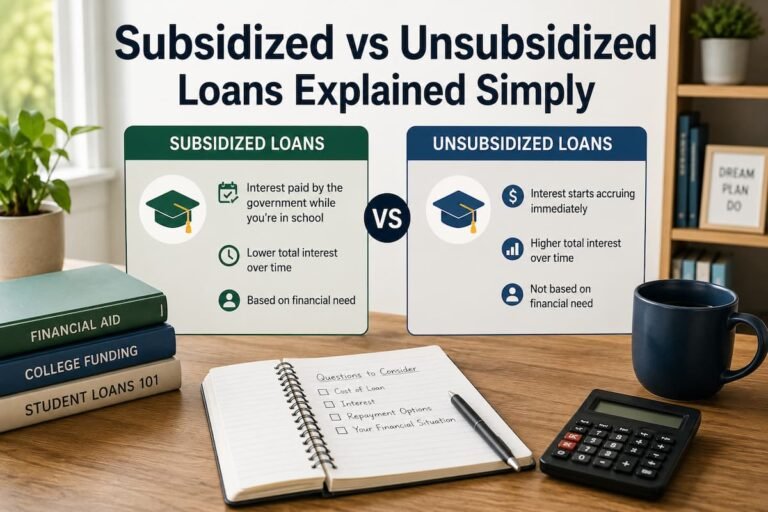
Students should also avoid misunderstanding grants and loans. Financial aid offers may include non-free money. Loans must be repaid, while grants are not repaid if the student remains eligible and meets the program’s criteria. When considering financial aid options, distinguish between grant aid, work-study, and borrowing.
Personal Qualification: How to Tell
For the most accurate eligibility determination, complete the FAFSA for the academic year you plan to attend. Before starting, create or confirm your StudentAid.gov account and gather the necessary information for you and any contributors. This includes tax records, financial records, asset information, and a list of schools you’re considering. The official FAFSA checklist offers preparation tips for students and contributors.
After submitting the form, continue. Check for errors in your FAFSA submission. Summary and watch for school requests. Be sure to respond to any college requests for additional documentation by the deadline. After admission, compare financial aid offers rather than just the total “aid.” Larger packages may have more loans, while smaller packages may have more grants. What matters is what you must pay or borrow after grants and scholarships.
If your financial situation has changed dramatically since you filed your FAFSA, contact your school’s financial assistance office. FAFSA does not always capture every current financial hardship, and schools may have special procedures for financial circumstances. Avoid altering information to appear more eligible. Provide accurate information and clearly explain any legitimate changes.
Final Thoughts on FAFSA Grant Qualification
First-time students’ most significant error is concluding they’re ineligible before applying for FAFSA. Federal student assistance eligibility is based on multiple numbers, and grants and programs have varying restrictions. Non-Pell Grant students may qualify for federal, state, or school aid. Once you break down the process, it becomes much simpler: accurately complete the FAFSA, check your Submission Summary, fulfill school and state deadlines, react to documentation requirements, and carefully analyze your final financial aid offer. Most crucial, distinguish grants from loans. Free help reduces the amount you need to borrow, while loans require payback. Understanding your alternatives before accepting an aid package might significantly reduce your college costs.