Common Insurance Fraud Scams and How to Avoid Them
Almost everyone is susceptible to insurance fraud. To keep yourself safe, you need not be an insurance specialist, but you need to be aware of the signs of questionable activity. Scammers commonly use false documents, inflated prices, demands for personal information, or a sense of urgency as tactics.
Learn the signs of the most prevalent insurance frauds and how to protect yourself against them with this handy guide. This lesson will teach you the signs of insurance fraud in many forms, including health, vehicle, house, life, and travel. Additionally, you will find out how to check an insurance provider, spot questionable claims behavior, safeguard your personal data, and react if you suspect fraud. Our aim is straightforward: to assist you in making well-informed decisions prior to the transfer of any sensitive information or funds.
Understand Why Insurance Fraud Is So Difficult to Spot
Insurance fraud usually does not involve strangers actively asking for money. Scams are often hidden within seemingly normal processes. Scammers can pose as insurance agents, claims adjusters, repair companies, or government officials. Criminals can also use stolen personal information to forge policies or file fraudulent claims. The complexity of insurance is crucial in this regard. Policies contain technical jargon, coverage limitations, deductibles, exclusions, and claims procedures, to name just a few. Scammers can exploit this complexity to impersonate legitimate organizations.
For example, someone might claim that an immediate premium payment is required to prevent the policy from being canceled. Scammers can sell policies at a low price and disappear after receiving payment. More sophisticated forms of scams can even steal the name and brand of a legitimate insurance company, create fake websites, or engage in fraudulent communications. Remember that not every form of scam is the best defense. The key is to learn to recognize patterns that require caution, to verify information independently, and not to make hasty decisions. When dealing with unusually urgent insurance requests, payment instructions, or sensitive information, always verify these through official channels before taking action.
Fake Insurance and Cheap Insurance
Selling fake insurance is a common form of scamming. Scammers use professional websites, social media, or direct contact to promise low prices. Low prices are often attractive, especially when consumers are trying to cut back on their monthly expenses. However, cheap policies often do not have an insurance company.
Scammers sometimes send seemingly official documents to make fake policies look real. Unfortunately, documents are easy to forge and alter. A policy certificate does not guarantee the validity of the insurance. If your country’s or region’s insurance authority has a database, check the insurance company’s details before taking out insurance. Ensure that the company is licensed to operate in your region and that the agent or intermediary is licensed. Be wary of the phone numbers, websites, or email addresses of policy salespeople. Contact them directly using the insurance company’s official contact details.
Scammers Posing as Insurance Agents
Scammers sometimes impersonate insurance companies. They may use professional email accounts, impersonate company logos, or provide seemingly reliable identification details. Scammers may claim that you need to renew your policy or are eligible for a discount. They may ask for your personal details or demand immediate payment. Because the company they are impersonating may be legitimate, it is difficult to identify. The problem is that the caller may not be an employee of that company.
If someone calls you unexpectedly and knows your name or policy details, it is likely not a real person. Contact your insurance company directly. Call the phone number on your policy or visit the company’s website. Make sure the person contacting you is a company employee and the request is genuine. Never assume that basic personal information from a caller proves their identity. Public records, social media, data breaches, and scams can all make personal information public.
Fake Insurance Renewal Messages
Scams regarding the timely renewal of your policy are common. Emails, text messages, letters, and phone calls may notify you that your policy is about to expire. The message may contain a payment link and warn you that your insurance will be cancelled if you do not pay quickly. Fear and urgency can entice scammers to prompt you to take action without checking the details.
Always check your policy documents or log in to your insurance account on the insurance company’s website or app before making a payment. For unexpected payment links, always check the information before clicking on them. Furthermore, pay attention to the sender’s email address. Scammers sometimes use business domains with extra characters or unusual spellings. If you need any clarification, contact your insurance company using a contact method you trust.
Auto Insurance Scams After a Car Accident
Car accidents often leave people stressed and confused. Unfortunately, criminals may take advantage of this situation. One type of fraud involves staged accidents. Someone may deliberately cause or manipulate a collision and then attempt to file a fraudulent insurance claim. In another situation, a driver may suddenly brake for no clear reason, creating a crash that appears to be your fault.
There are also scams involving people who appear at an accident scene and recommend a particular repair shop, medical provider, lawyer, or towing company. These individuals may be working with businesses that charge inflated prices or participate in fraudulent claims. After an accident, focus on safety first. Contact the appropriate authorities when necessary, document the scene when it is safe to do so, exchange information with the other driver, and notify your insurance company through its official claims process. Be cautious about accepting unsolicited help from strangers who appear immediately after a collision.
Fake Health Insurance Offers
Health insurance fraud can be extremely damaging, as patients may be concerned about medical bills and seeking cheap coverage. A fraudster may promote a low-cost health plan that is not real insurance or does not provide the coverage that the buyer thinks they are buying. The person may not realize there is a problem until they need medical treatment. Before you buy, let yourself time to learn what the health insurance coverage really covers. Understand deductibles, exclusions, restrictions, provider networks, and other key terminology.
If a salesperson refuses to provide you information in writing, or if you feel pressured to decide right away, be wary. A legitimate insurance product should have clear documentation of what it covers. Check the insurer and agent with the appropriate regulatory agency in your area. When buying coverage through a government-run exchange or official enrollment system, go directly to the service rather than clicking on an unsolicited message with a registration link.
Fraud in Life Insurance and Beneficiaries
Life insurance fraud might include bogus policies, bogus beneficiaries, identity theft, or impersonation. Because life insurance policies might contain sensitive personal and financial data, fraudsters may target policyholders or their families. The scammer may call someone and say a policy is about to expire or a beneficiary needs to be updated. They could require papers of identity, bank account information, or other sensitive data.
Never provide sensitive information just because someone says they are calling about a life insurance policy. If you get an unsolicited communication, call the insurance company using the proper contact information. Ask if the request is legitimate and if modifications are genuinely necessary. Periodically review your policy records to stay informed about your coverage and the individuals listed as beneficiaries. A good record will help you detect unauthorized changes more easily.
Home Insurance Repair Frauds
Homeowners may become the subject of insurance-related repair scams as a result of storms, floods, fires, or other property damage. Immediately following a disaster, a contractor may appear and offer to handle the entire insurance process on your behalf. Some contractors may try to get you to sign papers before you even know what you are signing. Not every contractor who comes to your rescue after a disaster is a crook, but urgency does not replace due diligence.
Ask for written estimates and verify the contractor’s identity and credentials where possible. Be wary of someone who insists on full payment in advance or wants you to sign something with information you don’t understand. Before you agree to any repairs, call your insurance company directly to find out how the claims process works. Your insurer may have particular requirements for estimates, inspections, documentation, and approved contractors. Never sign anything related to insurance just because someone told you it was “standard.” Read the policy carefully and ask questions about anything you don’t understand.
Travel Insurance Fraud
As people plan vacations or deal with cancelled trips, travel insurance scams can pop up. Scammers can set up bogus sites offering plans or purporting to be from travel firms. A cheap, phony travel insurance policy may seem like a good deal, but it won’t protect you if something happens. Be sure you know who the insurer is before you purchase travel coverage and read the terms of the policy carefully. Check foreclusions and conditions that state when a claim will be accepted.
Be very wary of unsolicited messages offering a refund or compensation for a cancelled trip. Such a request is an excuse for a scammer to get your banking info. If you’re owed a refund, contact the airline, hotel, travel agent, or insurer directly through their official website or a trusted phone number.
Phishing Emails and Text Messages Regarding Insurance
Phishing is one of the most prevalent ways that crooks would try to steal information. Insurance-related phishing communications may say your policy was cancelled, you need to provide additional information for your claim, or your payment failed. The letter normally includes a link that is aimed at stealing your login details, card information, or personal data. Don’t let a message fool you just because it has the right company logo. Logos are easily duplicated.
Confirm the communication through an independent channel. Open the official app of the insurance company or type in the web address you know for the company. If the notification is real, you should normally be able to access information regarding the issue through your account. Also be careful about attachments. Unexpected documents can contain malicious software or link to fraudulent websites.
Watch Out for Weird Payment Requests
How an insurance representative asks for payment can provide important clues. Watch out if someone asks you to pay a premium or fee all of a sudden in an odd way that you have never utilized with the company before. Be careful about requests involving gift cards, cryptocurrencies, personal bank accounts, or other payment methods that are hard to cancel.
A legitimate insurance company should be able to tell you what forms of payment they accept and provide clear documentation. If you are told that you must pay now in a certain manner or your coverage will be lost, do not let the pressure dictate your decision. If you’re not sure, call the insurance company and inquire if the payment request is legitimate.
Insurance Claim Fraud Can Also Go Far For Customers
Insurance fraud isn’t just a swindle where thieves steal money straight from customers. Sometimes policyholders are incentivized to engage in fraudulent claims. For example, a recommendation to inflate damages post-accident or to add goods to a claim that were not truly lost. A contractor might suggest that a homeowner file an insurance claim for unrelated damage.
That can get you into serious legal and financial trouble. Never knowingly give false information to an insurer. If you are not sure what is covered, ask the insurance company rather than trying to game the claim. Documentation has to be accurate. Keep receipts, photos, repair estimates, and other documentation that accurately reflects what happened.
Learn to Recognize the Most Common Warning Signs
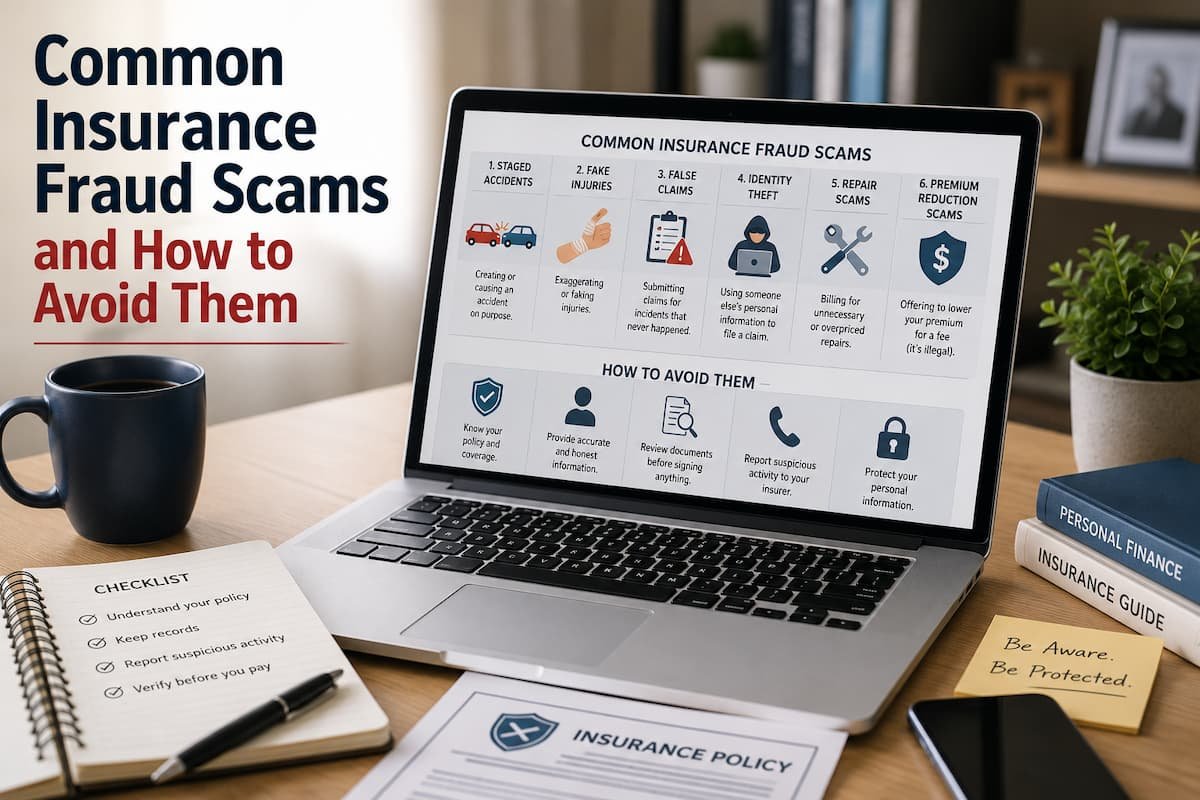
Most insurance scams have one or more warning signs. A single warning sign does not automatically prove fraud, but several together should make you stop and verify the situation.
| Warning Sign | Why It Matters | Safer Response |
|---|---|---|
| Unusually cheap insurance | The policy may not be genuine or may not provide promised coverage | Verify the insurer and compare the actual policy details |
| Immediate payment pressure | Scammers want to prevent careful investigation | Pause and contact the company independently |
| Unexpected request for personal information | Your information may be targeted for identity theft | Verify the request through an official channel |
| Unusual payment method | Fraudulent payments may be difficult to reverse | Confirm accepted payment methods directly with the insurer |
| Unsolicited insurance representative | The person may be impersonating a legitimate agent | Verify their identity and license where applicable |
| Unclear policy documents | You may not be receiving the coverage you were promised | Read the terms and ask questions before paying |
| Unexpected claim assistance | Someone may be attempting to control or manipulate your claim | Use your insurer’s official claims process |
How to Verify an Insurance Company
Verification is one of the best safeguards against fake insurance offers. First of all, find out the precise legal name of the insurance firm. Check with the relevant insurance regulator in your country or region to verify the company’s status. State insurance departments have resources available to check insurers and insurance professionals for consumers in the United States.
If you use an agent or broker, make sure they are licensed in the states where licensing is required. Please use other contact information. If someone provides you a phone number, an email address, or a website, don’t instantly assume it is the real organization. Check an independent source for the insurer and contact them directly. Check out the policy itself too. Verify the insurer’s name, policy number, coverage information, and payment details are correct. It takes a few extra minutes to verify, but it can save a much bigger problem.
Privacy of Your Personal Information
Insurance applications often ask for sensitive information. Depending on the type of insurance, you may be asked to give your name, address, date of birth, identification information, financial information, or other personal information. Before sharing this information, please ensure you are dealing with a legitimate company or professional.
Do not send confidential material through insecure or unknown methods. Be wary if someone suddenly asks you to transmit identity documents to a personal email account or messaging app. Ask why you need the information and how it will be secured. There should be a way for legitimate organizations to explain what they need. Make sure that important insurance documents are kept in a safe place. Knowing what your policies are will help you recognize questionable correspondence.
What to Do if You Think You’ve Encountered an Insurance Scam
If you think you may be the target of an insurance scam, stop talking to the person until you know what’s going on. Don’t give extra money or personal information just because the caller says there is a deadline. Contact your real insurance company at official contact details Describe what happened and ask if the contact was legitimate.
If you believe you have already shared critical information, please take steps to protect your accounts. Depending on the information that was exposed, you may need to change passwords, monitor financial accounts, or take other identity protection measures. If you have sent money, please contact your bank or payment provider as soon as possible. The alternatives accessible to you will depend on how you paid and how promptly you report the problem. You can also report suspected fraud to the relevant insurance regulator or consumer protection organization in your area.
How to Safely Handle an Insurance Claim
When submitting a claim, follow the formal process provided by your insurer. Record phone calls, emails, images, receipts, and anything else that’s important. Describe what happened accurately and truthfully. Do not exaggerate damage or agree to suggestions to include false information.
If a contractor or third party is engaged, check their credentials and know what their function will be. Don’t let anyone “handle everything” for you and take over your insurance account. If you don’t understand a claim decision or document, please ask questions. You are entitled to know what you are signing and what it will do to you. A proper claims process protects you and the insurer from unneeded confusion and possible fraud.
A Simple Routine for Staying Away from Insurance Fraud
You can minimize your risk by incorporating a few security habits into your daily insurance routine. Keep your contact information current and review your policies on a regular basis. Know your renewal dates and how your payment is typically processed. This makes it easier to spot unexpected messages. Keep the insurance company’s proper contact information. Instead of searching for contact info under pressure, you can verify suspicious messages against trusted sources.
Organize crucial policy documents. You should know which companies cover you, what kind of coverage you have, and when policies are up for renewal. Compare coverage, not pricing, when buying a new policy. A modest premium is of little value if the policy doesn’t provide you the protection you actually need. Finally, trust your gut if anything feels wrong. You don’t need to accuse someone of fraud to take a moment and verify information.
Insurance Fraud Prevention Checklist
- Verify insurance companies through official regulatory sources when available.
- Check that agents and brokers are properly licensed where required.
- Be cautious of prices that seem dramatically lower than comparable offers.
- Never rush into buying a policy because of pressure or threats of immediate cancellation.
- Do not click unexpected insurance payment links before verifying them.
- Use official contact information to confirm suspicious requests.
- Protect your identification and financial information.
- Be careful when contractors or strangers approach you after an accident or disaster.
- Read insurance documents before signing them.
- Keep copies of policies, receipts, and claim records.
- Report suspicious activity to your insurer and appropriate authorities.
- Contact your financial institution quickly if you sent money to a suspected scammer.
FAQs
1. Can scammers impersonate my legitimate insurance company?
Yes. Criminals can mimic the logos of reputable insurance companies and send seemingly legitimate emails or use similar website addresses. They may claim that your policy is about to expire or that you have overdue premiums. “Do not use the contact details in the message to verify unexpected requests. Contact your insurance company via the phone number on your current policy or via an independently verified official website.”
2. What is repairs insurance fraud?
“Repairs insurance fraud” refers to contractors or other individuals attempting to profit from property damage covered by insurance. They may exaggerate losses, perform unnecessary repairs, demand large upfront payments, or trick you into filing false claims. Be wary of contractors who show up uninvited after a disaster and pressure you to sign documents. Consult your insurance company first for a written quote, check the contractor’s qualifications, and ensure you fully understand all aspects before work begins.
3. Are all insurance policies with extremely low premiums fraudulent?
Not necessarily. Legitimate insurance companies differentiate between policies based on coverage, deductibles, discounts, and so on. Changes in risk factors or policy conditions can lead to different quotes. However, if a quote is significantly lower than comparable policies, it is worth investigating further. Do not just look at the premium, but also compare the actual coverage. Ensure that the insurance company is legitimate and licensed in your region. Sometimes, very cheap policies offer limited coverage that does not match what the salesperson initially promised.
4. What should I do if I have provided personal information to an insurance fraudster?
Act quickly. The correct answer depends on the information you provided. If you have set a password, please change it immediately, especially if you reuse it elsewhere. Monitor your account closely for suspicious activity, and contact your financial institution if you suspect someone has compromised your sensitive banking details. If you… Ensure you have identification documents and consider taking further measures to protect your identity that apply in your region. If scammers impersonate legitimate insurance companies, report the fraud to the relevant authorities and contact your insurance company.
5. Can insurance fraud be committed during a car accident?
Yes. Faking accidents, feigning injuries, filing false claims, or exaggerating repair costs are common forms of fraud. Ensure you stay safe, but take photos of the accident location, exchange details with the other driver involved, and report the accident via your insurance company’s claims portal. Be wary if strangers quickly recommend specific towing companies, garages, or medical facilities to you. Always be cautious with service providers. However, not all assistance offered is fraudulent. You should be able to choose from reliable sources.
Conclusion
Insurance fraud takes many forms, including forged policies, identity fraud, staged accidents, fraudulent claims, phishing emails, and dishonest repair plans. Although the details may vary, many fraudsters use the same basic tactics: sowing confusion, making very enticing offers, and asking for money or sensitive information. It is important to establish the habit of performing simple checks. Always know who you are talking to, verify the legitimacy of the company, read your policy carefully, and use reliable contact methods when discussing payments or claims. Never let pressure persuade you to make informed decisions.
Furthermore, please keep in mind that insurance fraud is not just about someone taking your money. You are also at risk when contractors, agents, or others ask you to provide false information or participate in incorrect claims. Always remain honest and keep accurate records of transactions and claims. If something does not feel right, please stop the investigation immediately. Proactively contact your insurance company and, if necessary, consult relevant regulatory bodies or consumer protection organizations for assistance. Checking an insurance quote or claim takes only a few minutes but can prevent greater financial and personal losses.