Pay in Local Currency or USD? Compare a Card Purchase Abroad
Compare a merchant’s dollar conversion offer with an assumed local-currency outcome using a fictional €100 purchase.
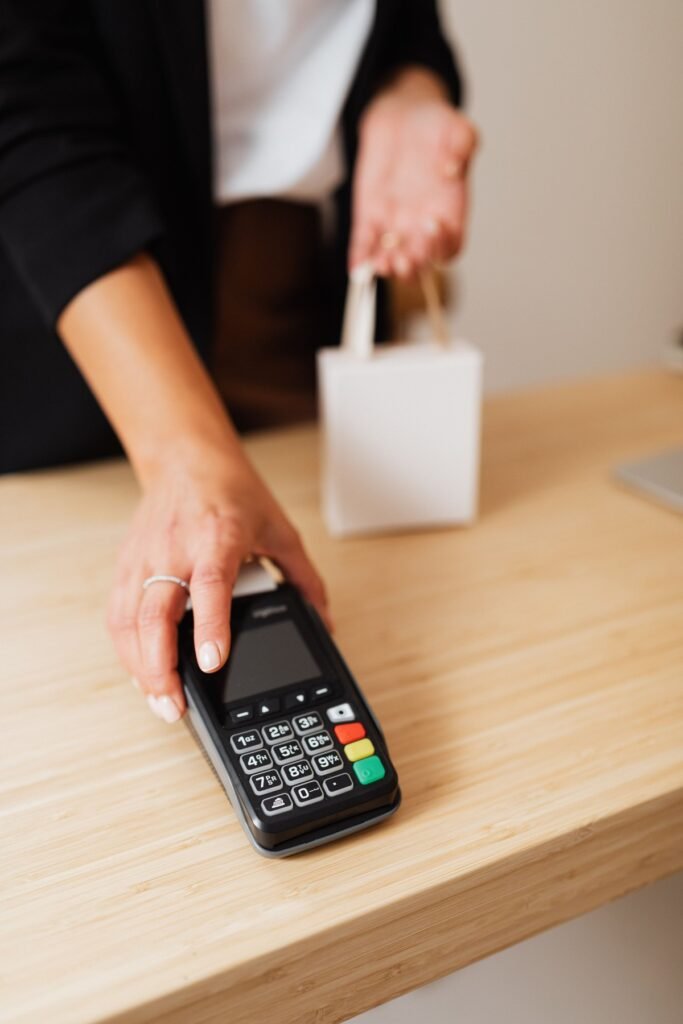
This guide compares checkout choices for U.S. credit cards billed in dollars.
Recognize the conversion offer
Dynamic currency conversion (DCC) means an offer to convert the local price into your home currency. A USD price alone does not establish that DCC is involved.
Visa’s DCC guidance says merchants must show both currency amounts and symbols, the conversion rate, and extra fees or markup. Visa says the choice belongs to you; if details are missing or you feel pressured, decline conversion and report it to your issuer. These are Visa-specific instructions, not an approval guarantee.
Check the separate issuer charge
The CFPB’s Regulation Z commentary, 4(a)-4(ii) explains that USD foreign purchases can incur issuer fees. Rates may differ from purchase-date rates.
Check issuer fee triggers, amount and base.
One invented €100 purchase, three calculations
Assume DCC quotes $114, including its conversion charge; local-currency processing instead produces $110 before issuer fees. These are invented figures, not live rates or guaranteed checkout alternatives.
Every percentage and fee trigger below is fictional. Totals cover only this purchase and the stipulated fee, excluding interest, rewards, cash advances, ATM withdrawals and additions to the €100 price.
| Invented fee rule | DCC | Local currency | DCC minus local |
|---|---|---|---|
| A: 3% of each dollar amount | $114 + $3.42 = $117.42 | $110 + $3.30 = $113.30 | $4.12 |
| B: 3% of $110 only; no issuer fee on DCC | $114.00 | $110 + $3.30 = $113.30 | $0.70 |
| C: No issuer fee | $114.00 | $110.00 | $4.00 |
In A, $114 × 0.03 = $3.42 and $110 × 0.03 = $3.30. Subtracting $113.30 from $117.42 gives $4.12, not $4.00. Do not add another conversion charge to the already-inclusive $114 assumption.
Test the assumptions: keep B’s rule but replace $110 with $111. Then $111 × 1.03 = $114.33, exceeding $114 by $0.33. Local currency does not win under every set of inputs. This tests arithmetic; it predicts no exchange-rate movement.
Keep a comparison record
Record the local price, DCC quote, alternative dollar estimate and its date, then each applicable issuer fee. Leave unknowns marked “unknown,” not zero. Compare your receipt with the posted transaction afterward.

Credit-Builder Loan vs. Secured Card: A Cash-Access Checklist
Work through three fictional situations and four private questions before deciding whether a new account fits your needs.
Hotel Card Hold: Compare Two Checkout Payment Paths
Compare two fictional hotel checkout choices while keeping the original card’s capacity and the actual payment in separate records.
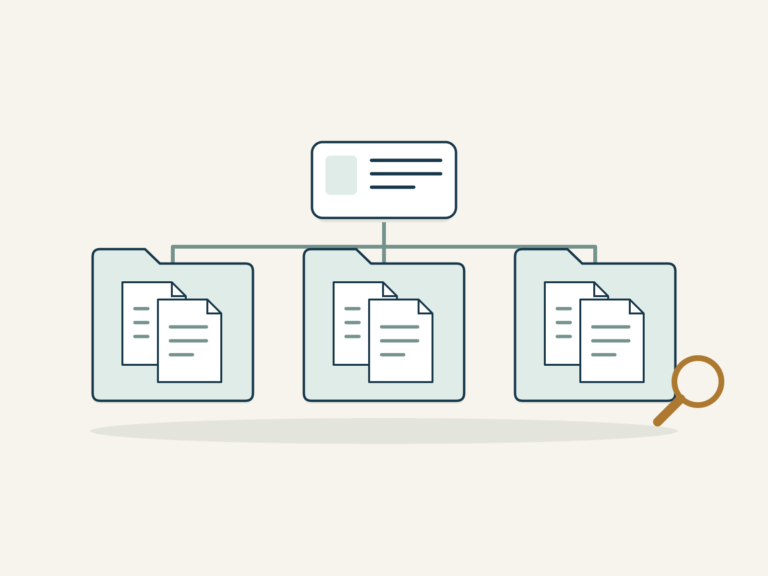
Overdraft Fee? Look Beyond the Online Bill Label
Compare three fictional document packets behind the same $60 ONLINE BILL entry, then identify what the records still leave unexplained.