Credit-Builder Loan vs. Secured Card: A Cash-Access Checklist
Work through three fictional situations and four private questions before deciding whether a new account fits your needs.

Before comparing a credit-builder loan with a secured credit card, write down the job you want done. Is it a bank transfer for a bill next week, one planned card purchase, or a longer-term goal? Give that job a date. Then compare the written terms with the task, rather than starting with a brand.
This is general U.S. education. The named examples are evidence for an exercise, not recommendations or offers to you. Nothing here promises eligibility, approval, a score change, an upgrade or a deadline.
Trace each route before making a choice
Read each panel from top to bottom. Keep the two routes within it distinct, then check each connection against the documents for the account you are considering. These sketches are not descriptions of every account design.
Conventional secured card
Cash set aside
↓
Deposit
↓
Return under contract
Card purchase
↓
Bill
↑
Payment from budget
Credit-builder loan
Lender funds
↓
Held balance
↓
Release under contract
↓
Spendable money
Installments from budget
↓
Lender
References: CFPB, Ask CFPB en-2155; the two product pages below.
Check the named examples against your documents
Source pages checked October 21, 2026. That is a research date, not an offer-effective date. The examples are selective; use the full documents for your own comparison.
Self’s Credit Builder Account, distinct from its card, holds principal until completion or closure; payouts exclude interest and fees. Reporting to Equifax, Experian and TransUnion starts after the first successful payment is processed. Late minimum payments may produce negative reporting and harm credit. The product doesn’t erase negative history. Ask for your actual payout and processing terms.
Capital One Platinum Secured requires monthly payments separate from its deposit. Deposit return may accompany an unsecured upgrade as statement credit, or follow closure and full repayment. Late minimum payments can damage credit. Cash advances and special transfers accrue interest immediately. These are this card’s terms; verify your actual offer and refund conditions. It reports to three major bureaus.
Three situations to test your thinking
These people are fictional. Their circumstances are assumptions for the exercise, not screening criteria.
A goal with no immediate spending need
Maya wants to establish a payment record. She has no current bill to fund, would rather avoid another spending account and has room in her budget for a regular commitment. Her test is whether she could make every required payment from outside income without depending on the account’s eventual payout. Would the written access schedule still suit her if her goal changed? She can compare a credit-builder arrangement with opening nothing, after checking the actual costs and terms. This scenario establishes neither eligibility nor an expected benefit.
A purchase already in the budget
Theo has cash beyond his planned bills and wants to put one modest recurring purchase on a card. He has separately planned how to pay the statement. His test is what remains after any required opening money: enough for the next bill and an unexpected expense? He should write that answer before examining a conventional card arrangement. If the plan depends on stretching his spending or assuming a particular limit, the comparison is unfinished. The example does not establish that an issuer would approve him.
A difficult month with little room
Ren also prefers not to add a spending account, but her income has become uneven and scheduled bills are already difficult. What would fund an additional obligation in her hardest month? An answer that depends on unverified access or hoped-for borrowing leaves that question open. Neither now is a legitimate outcome. Her immediate exercise is to list existing obligations and ask the relevant providers what help, if any, is available. There is no need to pick a new product to complete this checklist.
Four private questions before opening anything
Use your own notes. There is no form to submit and no reason to upload a credit report for this exercise.
- What do I need the money to do, and by when?A card purchase, bank transfer or longer-term goal? Identify the written term that confirms the access you need.
- What cash can I genuinely set aside?Start after known bills. What changes if that money cannot cover an unexpected expense?
- Can my budget support the separate commitment?Record the required payments, dates and income that would fund them. Test the difficult month without assuming new borrowing.
- What do the actual documents promise?Check the lender or issuer, actual APR, all fees, payment requirements, reporting companies and reporting start. Ask for access, closure costs, release conditions, payout processing and any upgrade conditions in writing. Mark unanswered items as unresolved.
Leave room for neither
CFPB says carrying a credit-card balance is unnecessary for a good score.
Finish with a decision about fit, not a brand ranking. If an essential answer is missing, pause the comparison and get it clarified. If the timing, cash commitment or difficult-month plan does not work, choosing neither now completes the exercise just as legitimately as continuing to compare written offers.
Hotel Card Hold: Compare Two Checkout Payment Paths
Compare two fictional hotel checkout choices while keeping the original card’s capacity and the actual payment in separate records.
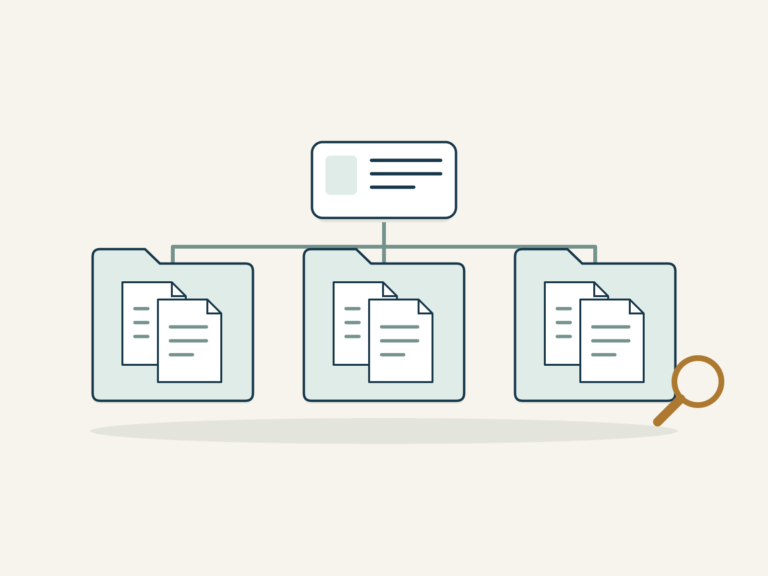
Overdraft Fee? Look Beyond the Online Bill Label
Compare three fictional document packets behind the same $60 ONLINE BILL entry, then identify what the records still leave unexplained.
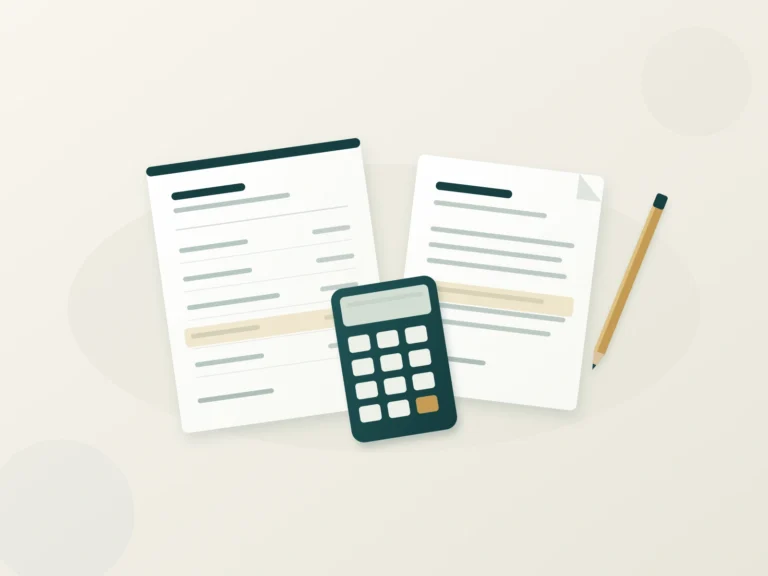
Temporary Debit Credit: Reconcile What Stays and What Reverses
Follow a fictional $800 checking-account snapshot through three separate outcomes, then compare a $50 removal with reversing $300 and rebooking $250.