What Happens After You Tap “Pay” in a Digital Wallet?
For most people, using e-wallets has become so routine that they hardly think about what happens after tapping their phone or pressing the pay button. Confirmation is almost instant, the receipt arrives quickly, and everything proceeds as usual. From the user’s perspective, the entire process is effortless and convenient.
Yet, behind this rapid confirmation is the result of numerous mechanisms working together in seconds. Your smartphone communicates with the payment service provider for security checks, your bank or card issuer confirms the transaction, and the merchant ultimately receives authorization to complete the payment. You don’t see these processes during a standard purchase, but they all must occur in the correct sequence for a payment to succeed.
You don’t need technical expertise to understand how the system works. Grasping the basic payment process helps you understand why some transactions complete instantly, why others take longer, and why security checks sometimes slow down seemingly simple purchases.
It All Starts Before You Even Make a Payment
In fact, the payment process starts long before you click the “pay” button. When you first add a debit card, credit card, or bank account to your digital wallet, the wallet provider verifies that the payment method is yours. Depending on the service, the process might involve entering a verification code, verifying your identity through your bank, or completing other security checks.
Once verified, your payment details are not stored the way you might write a card number in a notebook. Most modern digital wallets employ security technologies that replace sensitive payment data with unique digital data generated specifically for electronic transactions. This means that your actual card details are typically stored separately from the payment request itself.
With just a single setup, subsequent payments can be completed almost instantly. All necessary preparations are completed before your first purchase.
The Moment You Tap the “Pay” Button
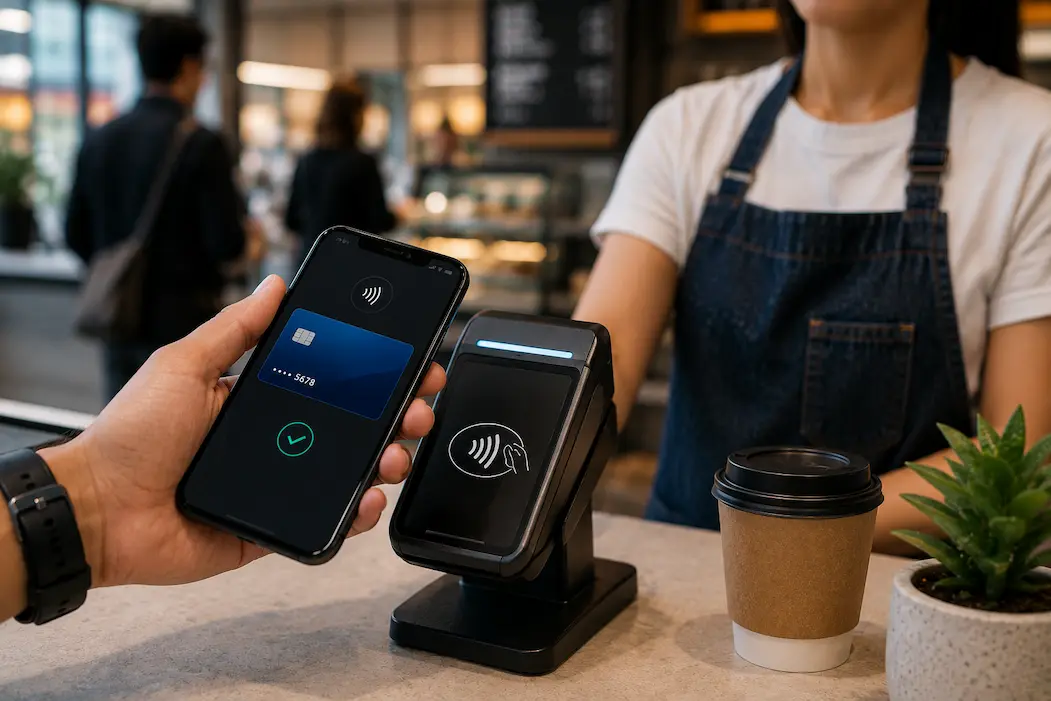
Holding your phone near the payment terminal or approving an online purchase takes only a second, but it is the moment the transaction process begins.
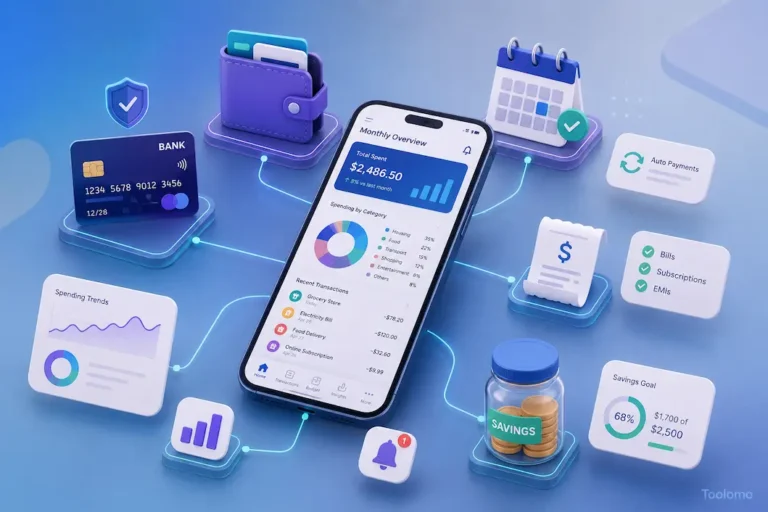
At this point, your digital wallet gathers the information needed for the payment. This typically includes your chosen payment method, the purchase amount, merchant details, and security information linked to your account. The digital wallet then packages this information into a secure payment request and sends it to the payment network.
Although it may seem as though your phone is paying the merchant directly, that is not the case. Instead, your device acts as a secure messenger, passing payment information to various trusted services that verify the transaction and authorize the transfer before the funds are actually debited from your account.
Several Organizations Work Together in Seconds
One reason digital payments appear so seamless is that each organization involved has a specific responsibility. No single company handles the entire transaction.
A simplified version of the payment journey looks like this.
| Stage | What Happens |
|---|---|
| The customer initiates payment | The digital wallet creates a secure payment request. |
| The merchant receives the request | The payment terminal or online checkout forwards the information. |
| The payment network processes the request | The transaction is routed to the appropriate financial institution. |
| The bank or card issuer verifies funds and security | The account is checked for available balance and fraud indicators. |
| Approval or decline is returned | The merchant receives the response within seconds. |
While these steps appear separate, they happen so quickly that most customers experience them as a single action.
Why Some Payments Take Longer Than Others
Although many transactions are approved almost immediately, not every payment follows exactly the same timeline. Occasionally, a purchase remains pending for a short period or requires additional verification before it is completed.
Several factors can influence processing time. A weak internet connection, temporary communication delays between financial institutions, merchant system maintenance, or additional fraud screening can all extend the process. International purchases and unusually large transactions may also receive closer review before approval.
A delay doesn’t necessarily mean something has gone wrong. Often, the payment is simply moving through additional verification steps designed to protect both the customer and the merchant from unauthorized activity.
Security Checks Happen Without Interrupting the Experience
One of the reasons digital wallets have become widely adopted is that security measures operate quietly in the background. Every payment is evaluated using multiple checks before approval is granted, yet most users never notice these processes because they happen almost instantly.
Depending on the payment service and financial institution, the system may evaluate factors such as the device being used, the location of the transaction, previous payment history, spending patterns, and account verification status. If everything appears consistent with your normal activity, the payment usually proceeds without interruption.
When something looks unusual—such as an unexpected location, a significantly larger purchase than usual, or a new device—additional verification may be requested. While these extra steps can feel inconvenient, they often stop unauthorized transactions before they reach your account.
Approval Doesn’t Always Mean the Money Has Already Moved
One of the most common misunderstandings about digital payments is assuming that the moment a payment is approved, the money has instantly reached the merchant’s bank account. In reality, approval and settlement are two separate stages of the payment process.
When you receive a confirmation message, your bank or card issuer has essentially agreed to reserve or authorize the required amount. This tells the merchant that the payment is valid and that the purchase can go ahead. The actual transfer of funds usually happens later through a settlement process that takes place between financial institutions.
For everyday shopping, this difference rarely affects the customer because they complete the purchase immediately. However, it explains why some transactions appear as “Pending” before changing to “Completed” in your banking or wallet app.
What Happens If a Payment Is Declined?
Seeing a declined payment can be frustrating, especially when you believe everything should work normally. Fortunately, a declined transaction doesn’t always indicate a serious problem. Often, you can resolve the issue temporarily and without much difficulty.
Several factors can lead to a declined payment. Your account balance may be insufficient, your bank may detect activity that differs from your usual spending pattern, or there may be a temporary communication issue between the merchant and your financial institution. Occasionally, expired payment details or spending limits can also prevent a transaction from being approved.
The table below summarizes some common reasons.
| Possible Reason | What It Means |
|---|---|
| Insufficient available funds | The account doesn’t currently have enough money to cover the purchase. |
| Security verification | Additional checks are being performed to protect the account. |
| Network interruption | A temporary connection problem affected the transaction. |
| Expired payment method | The linked card or account needs updating. |
| Spending limit reached | A daily or transaction limit has been exceeded. |
If a payment fails unexpectedly, checking your wallet notifications and your bank’s recent activity is usually the quickest way to identify the cause.
Why You Sometimes Receive Notifications Before the Receipt
Digital wallets often send notifications almost instantly after a transaction is approved. Meanwhile, the merchant’s receipt may arrive a few moments later by email, text message, or through the retailer’s own application.
This happens because different systems generate different confirmations. Your wallet confirms that the payment request was successfully authorized, while the merchant completes its own sales process before issuing a receipt. Although these events happen close together, they don’t always occur at exactly the same time.
Understanding this difference can prevent unnecessary concern if one notification appears slightly earlier than another.
Refunds Usually Follow a Different Journey
Paying for a purchase and receiving a refund may seem like opposite actions, but they rarely move through identical processes. A payment is designed to authorize and complete a purchase quickly, whereas a refund generally requires the merchant to initiate a separate transaction after confirming the return or cancellation.
Once approved, the refund travels back through the payment network before reaching your financial institution. Depending on the payment method, merchant policies, and banking procedures, this process can take longer than the original purchase.
For this reason, it’s common to see the original payment disappear from a pending status while the refund itself takes several business days to appear in your account.
Understanding the Process Can Make You a More Confident User
You don’t need to understand every technical detail behind digital payments to benefit from knowing the basics. Simply recognizing that several organizations work together during every transaction helps explain why payment experiences can differ from one purchase to another.
For example, if a payment remains pending, you’ll know that authorization and settlement are separate stages rather than assuming the payment has failed. Likewise, if extra verification is requested, you’ll understand that it’s often part of the security process rather than a sign that something is wrong with your account.
This knowledge also encourages healthier financial habits. Instead of relying solely on confirmation messages, you’ll be more likely to review your transaction history, verify completed purchases, and notice unusual activity sooner.
The Payment Journey at a Glance
Although the technology behind digital wallets is sophisticated, you can understand the overall process much more easily when you view it as a sequence of connected steps.
- You choose a payment method in your digital wallet.
- You confirm the purchase by tapping or selecting “Pay.”
- The wallet creates a secure payment request.
- The merchant forwards the request through the payment network.
- Your bank or card issuer verifies the transaction.
- The payment is approved or declined.
- If approved, the merchant completes the purchase.
- The funds are settled between financial institutions afterward.
Each stage happens quickly, yet every one contributes to making digital payments both convenient and secure.
Looking Ahead
Digital wallets have transformed the way people pay for everyday purchases by making transactions faster and more convenient than carrying cash or repeatedly entering card details. While the experience feels almost effortless, every payment relies on a carefully coordinated process involving secure communication, identity verification, financial institutions, and payment networks working together in the background.
Understanding what happens after you tap “Pay” doesn’t just satisfy curiosity—it helps you become a more informed user. You’ll better understand why transactions sometimes appear as pending, why security checks occasionally occur, and why refunds don’t always arrive as quickly as purchases are completed.
The next time your payment is approved within seconds, you’ll know that the confirmation represents much more than a simple tap. It’s the final result of a series of systems working together to move your payment safely from your wallet to the merchant.
Frequently Asked Questions
Does a digital wallet store my actual card number?
Many modern digital wallets use security technologies that replace sensitive payment details with unique digital credentials during transactions. This helps reduce the exposure of your actual card information when you make purchases.
Why does a payment sometimes show as pending?
A pending status usually means the payment has been authorized but the final settlement between financial institutions has not yet been completed. This is a normal part of the payment process.
Can a payment be approved and still be canceled later?
In some situations, yes. For example, if a merchant cannot fulfill an order or identifies a processing issue, the authorized transaction may be reversed or refunded according to their policies.
Why do refunds often take longer than payments?
Refunds require a separate processing cycle initiated by the merchant and then handled through the payment network before reaching your financial institution. Because of these additional steps, they often take longer than the original purchase.
Is it safe to use a digital wallet for everyday payments?
Digital wallets generally include multiple security features such as account verification, encrypted communication, and fraud monitoring. However, users should still protect their devices, enable available security features, and regularly review transaction history for unfamiliar activity.