Medicare ABN: A Warning Is Not a Claim Denial
Identify the notice before organizing questions about estimated costs and Medicare’s payment decision.
Estimated reading time: 5 minutes
An Advance Beneficiary Notice of Noncoverage, or ABN, warns that Medicare may not pay for specified care. It isn’t Medicare’s official denial. That distinction matters before you treat a provider’s estimate as an already-decided claim or assume that a billing conversation preserves appeal rights.
Recognize the decision the notice hasn’t made
Medicare’s consumer guidance explains that an ABN identifies items or services, why payment may be denied and estimated costs. It concerns Original Medicare. An official payment decision follows a submitted claim, not simply delivery of this notice.
The standard options differ in whether the listed care is received and whether Medicare is billed. Option 1 includes claim submission and a decision that can be appealed; Option 2 doesn’t submit a claim, so there’s no Medicare appeal. Option 3 declines the listed care. This is an explanation, not a recommendation to select any option. Medicare’s ABN explanation.
Check which notice and coverage apply
This guide concerns Form CMS-R-131. CMS says it isn’t used for Medicare Advantage or Part D items and services. Don’t apply this explanation to every document containing “noncoverage”; other Medicare settings have different notices and procedures.
There are also exceptions within ABN use. For care Medicare never covers, an ABN may be voluntary; CMS says the patient need not select an option or sign that voluntary notice. People with Medicare and Medicaid, including Qualified Medicare Beneficiary coverage, have special instructions and billing protections. Ask the provider to identify the applicable rules rather than applying the ordinary option wording without those qualifications.
For dually eligible patients, CMS instructs providers not to bill while Medicare and Medicaid adjudications are pending. Later patient liability remains subject to specific conditions; an ABN doesn’t override those protections.
CMS’s current tutorial requires the latest approved form and understandable, completed information. An unexplained form version or blank entry is a question for the provider, not enough for this article to declare the notice invalid or erase financial responsibility. CMS ABN tutorial.
Read the service, reason and estimate together
CMS instructions require the provider to review the notice, answer questions and allow time for an informed choice before the listed services. ABNs aren’t required in emergencies. Don’t use this paperwork guide to delay urgent medical care; discuss clinical needs with the treating team.
These questions help unpack the entries without deciding whether the service is medically necessary or covered.
| Entry | Question |
|---|---|
| Listed care | What exactly is included, including any frequency or duration? |
| Payment concern | Which stated reason applies to each listed item? |
| Cost estimate | Is this for one item, a group or repeated services? |
CMS permits grouped estimates and, in limited situations, an explanation that an estimate is unavailable. Ask what remains uncertain instead of treating every missing number as the same problem. Request a copy of the completed notice for your records. CMS form instructions.
A later Medicare Summary Notice answers another question
The Medicare Summary Notice, or MSN, reports services billed to Medicare, Medicare’s payment and the maximum amount you may owe the provider. It isn’t a bill either. Compare it with your actual bills and receipts rather than assuming the displayed amount still needs to be paid in full.
If Medicare denies an item, Medicare.gov recommends checking with the provider that the submitted information was correct. The MSN’s final page explains appeal timing and steps. A question about the earlier ABN doesn’t replace those instructions.
Keep the documents linked to the same services. A notice about one test shouldn’t be used to explain an unrelated charge simply because both papers came from the same office. Where the relationship is unclear, ask the billing office to identify the matching claim or service record. Medicare’s MSN guide.
Prepare a focused conversation
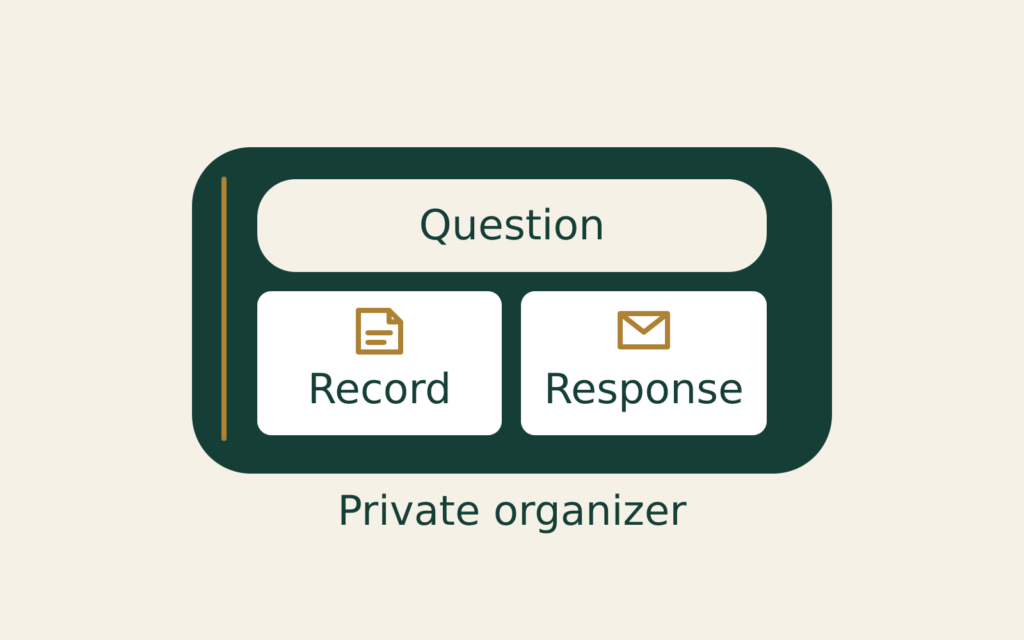
For a fictional document-reading exercise, imagine that two pages in a packet use different descriptions: one says “visit,” while the other names a separate test. Ask whether those descriptions refer to the same proposed work, overlapping work or separate items. No dollar subtraction can answer that identity question.
Write the two exact descriptions in your private working notes and point to their page numbers. Ask the office to explain the connection in plain language. If another department must answer, record its name and the unanswered question, so a referral doesn’t look like an actual resolution. Record the explanation alongside the original wording; don’t rewrite the originals to make them agree.
Separate administrative questions from clinical ones. An office can help locate the relevant paperwork, while the clinician addresses why care is proposed and any health consequences. This article neither chooses care nor signs a notice for you. Keep medical details and Medicare identifiers out of public comments.
Roth Conversion and Account Clocks
Separate five-year tests.
ABLE Distributions Across Month-End
Separate retained purposes.