Card Statement Arrived Late? Check the Due Date
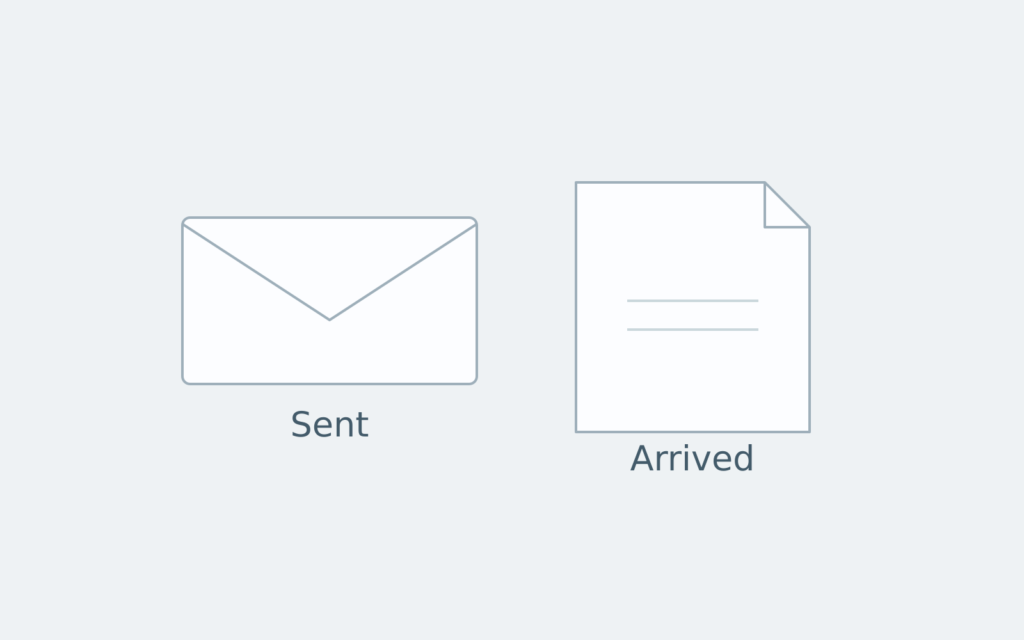
Check sending and arrival separately.
Estimated reading time: 5 minutes
A credit-card statement arriving late does not automatically move the payment due date. Find the current bill and contact the issuer promptly rather than waiting for another envelope. The important dates include when the issuer mailed or delivered the statement, the disclosed due date and when the issuer received payment.
Reviewed November 4, 2026. This guide concerns ordinary U.S. consumer credit-card accounts under open-end plans not secured by a home. Business cards, home-equity credit, charge-card-only statements and certain charged-off accounts require separate analysis.
Understand what the 21-day rule actually measures
Regulation Z, §1026.5(b)(2)(ii)(A), requires reasonable procedures designed to ensure mailing or delivery at least 21 days before the disclosed due date. Those procedures must also ensure that a required minimum periodic payment received within 21 days after mailing or delivery is not treated as late for any purpose.
Opening the envelope does not restart the clock. Ask the issuer for the mailing or delivery date; do not substitute the billing-cycle closing date.
The regulation separately addresses an applicable interest grace period. Paying the minimum is not the same as satisfying that period’s conditions. This timing protection also does not erase an earlier missed payment. Keep the current bill, past-due amounts and interest questions distinct.
Compare dates without inventing an extension
Imagine an ordinary covered account with no earlier delinquency. A statement is mailed November 2 and discloses a November 23 payment due date. That interval is 21 days. If the envelope reaches you November 18, only five days remain until the stated deadline; the later arrival alone does not establish that the issuer mailed it too late.
Now suppose the issuer confirms mailing on November 10 for that same November 23 due date. That is a 13-day interval and a reason to ask the issuer to investigate its statement procedures and payment treatment. Do not simply write a new due date on your calendar and assume the account has been adjusted.
The Office of the Comptroller of the Currency’s explanation identifies consequences covered by the minimum-payment protection, including late fees, penalty APR increases and delinquency reporting. It is more than a request for a courtesy waiver, but applying it requires the actual statement and payment facts.
Check when the payment reaches the issuer
Regulation Z’s payment rule generally requires crediting as of receipt, subject to stated exceptions; it does not require the transaction to appear on the account screen that same day. For third-party bill pay, receipt generally occurs when the issuer gets the transfer or check, provided the payment conforms to its requirements.
For an issuer-website payment, the official interpretation looks to the date you authorize the issuer to effect payment, with cutoff rules affecting immediate instructions submitted late. A future-dated instruction is not necessarily a payment received when you first schedule it. Confirm the effective date and applicable cutoff rather than using a bank-screen timestamp alone.
Save the confirmation showing the amount, selected payment date and reference number. If a payment seems missing, ask the issuer which receipt date it used. Avoid making a duplicate payment merely because a pending transaction has not yet appeared in the same place as completed transactions.
Ask for a clear arrangement if you need one
The CFPB’s late-arriving-bill guidance recommends contacting the issuer about special payment arrangements for that month when mail is delayed. An arrangement must be confirmed; asking for one does not itself change the bill.
Start with specific questions: What amount is currently required? What payment method and receipt deadline apply? Has any fee already been assessed? If an arrangement is offered, which amount and date does it cover, and what happens to scheduled automatic payments?
For a budgeting example, assume you have $90 available and the confirmed minimum is $65. That leaves $25 for other needs after the minimum payment. If you instead choose an automatic statement-balance payment of $420, your available cash would be $330 short. These invented figures illustrate why you should verify what an existing instruction will withdraw, not choose a payment amount from memory.
Keep evidence that answers the disputed question
Save the full statement and envelope, not only a cropped due-date screenshot. Record the day you received it, while distinguishing that observation from the issuer’s claimed mailing date. Keep any electronic delivery notice and note whether your address or statement preference recently changed.
For each contact, write the date, case reference, question asked and answer received. A useful request is: “Please explain the statement’s mailing date, the payment receipt date used, and the basis for the late charge.” If the response only discusses a fee waiver, clarify whether it also resolves the underlying timing issue.
Check the next statement rather than assuming closure
Compare any promised adjustment with the next account record. Verify the amount reversed and whether another issue remains unresolved. Keep unrelated purchase disputes separate so a missing payment, a delivery problem and an unauthorized transaction do not become one unclear complaint.
Before the next cycle, consider a reminder to review the account independently of postal arrival. Choose a date that leaves time to investigate a missing statement or failed payment. That habit supports recordkeeping; it does not replace the issuer’s legal obligations.
General financial education, not a determination that an issuer violated the law or that additional time has been granted.