Graduated Repayment: Budget for the Steps
Check more than the first payment.
Estimated reading time: 2 minutes
A Graduated Repayment plan has more than one payment level. The first amount is not the entire budget test.
Identify the applicable schedule
This discussion concerns Direct Subsidized, Direct Unsubsidized and Direct PLUS borrowers entering repayment on or after July 1, 2006, who received no Direct Loan on or after July 1, 2026.
Under that rule, repayment uses at least two payment levels over no more than ten years from entry into repayment. Authorized deferment and forbearance periods are excluded from that repayment period.
Direct Consolidation Loans and older repayment cohorts have separate provisions. This article does not evaluate those schedules, Extended Repayment, or the newer Tiered Standard plan.
Source: Federal Graduated Repayment rule.
Compare later payments with cash available
Edfinancial says Graduated payments start lower and usually increase every two years. Obtain the actual amounts and change dates rather than assuming a constant bill.
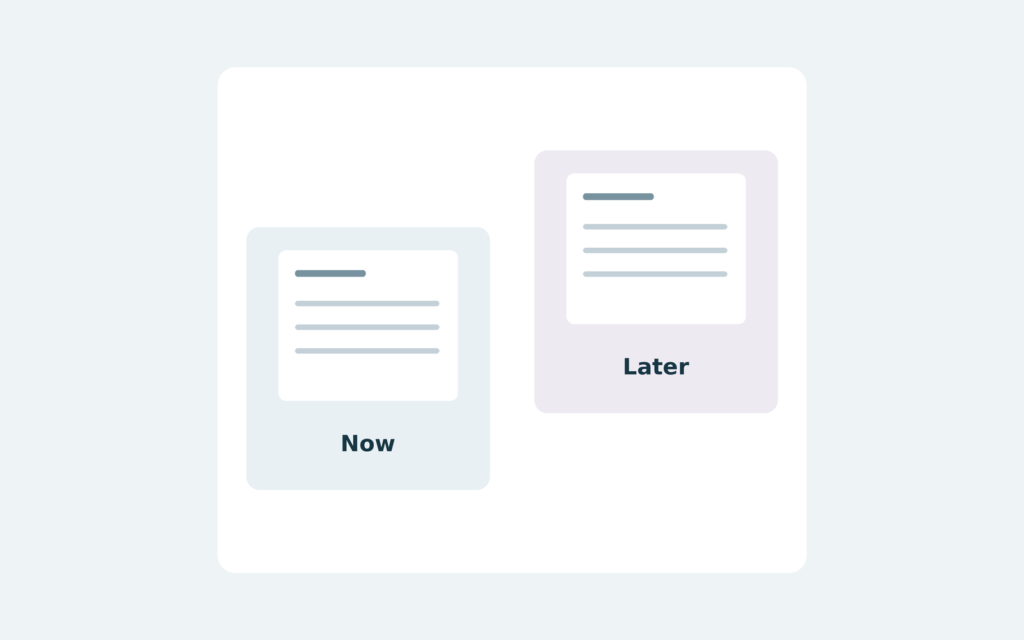
For a budgeting illustration, suppose an offered schedule shows $150 now and $240 at a later step. If your monthly room for this loan remains $210, the first step leaves $60, but the later step is $30 short. The scheduled increase is $90, even though the household shortfall is $30.
These are selected hypothetical payments, not a complete loan amortization or eligibility calculation. Test each actual stage against the cash available then. Keep an assumed future raise separate from income already established.
Ask the servicer for the full schedule and total repayment amount before choosing. A manageable first bill does not demonstrate that later bills fit.
Source: Edfinancial payment options.

Transcript Hold? Check Each Payment Period
Separate paid periods, payment-plan status and the remaining balance.
Federal Work-Study: Build a Paycheck Plan
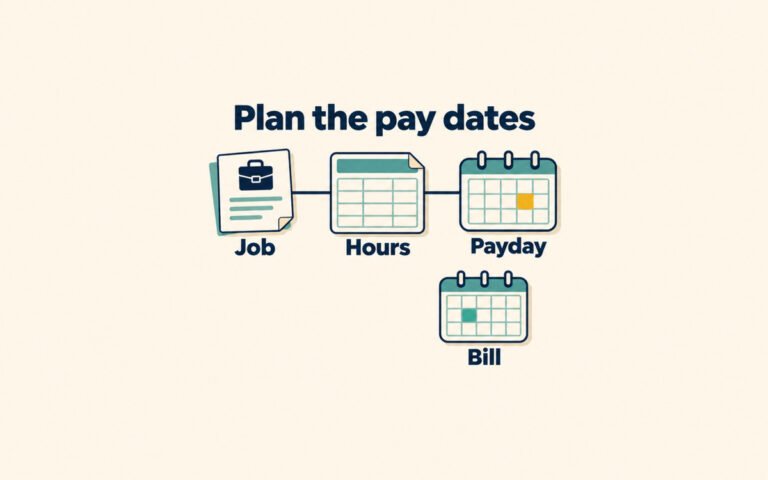
Connect hiring, hours and actual paydays before counting work-study earnings toward a bill.
2026–27 FAFSA: Family Business and Farm Assets
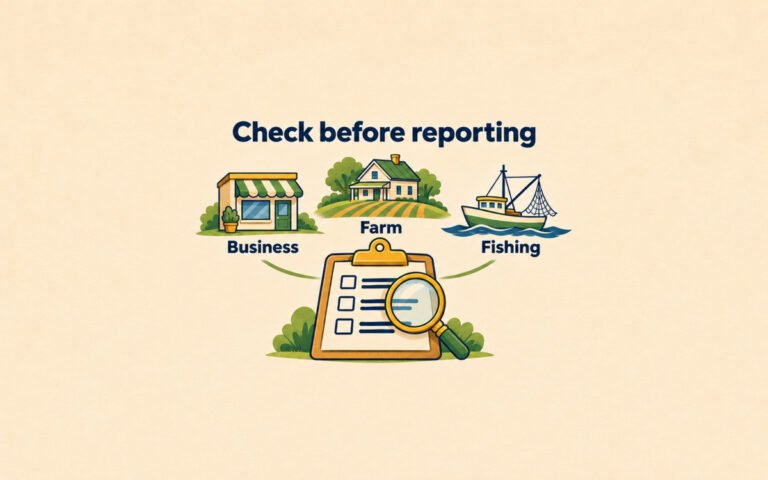
Check business size, farm residence and related debt before reporting assets.