After a Relative Dies: Sorting Debt Questions
Practice sorting three invented documents after a relative’s death, then prepare a short, private question list. Includes optional organization prompts and links to official guidance.

A debt letter can arrive before you know what to do with it. Start by separating the questions it raises. This guide covers U.S. unsecured consumer debts and adults; it cannot determine anyone’s legal responsibility.
Debts generally involve the estate; relatives usually do not owe personally. Exceptions matter.
1. Who can act for the estate?
2. May the collector discuss the debt with you?
Covered collectors may discuss debts with surviving spouses or authorized representatives, without establishing personal liability. Other relatives may receive representative-location inquiries, not debt details.
The FDCPA generally covers collection of personal, family or household debts, not business debts or original-creditor collection. State protections can differ. See the CFPB’s collection-law overview.
3. Do you have personal repayment responsibility?
Co-signers and joint credit-card holders can owe personally. Spouse obligations and rules involving jointly held property depend on state law. A duty to pay from particular property is not automatically personal liability.
Authorized-user status generally does not itself create a repayment obligation; other grounds must be considered separately.
Roles can overlap. Estate representatives may incur responsibility for violating certain state probate laws; their role is not blanket protection.
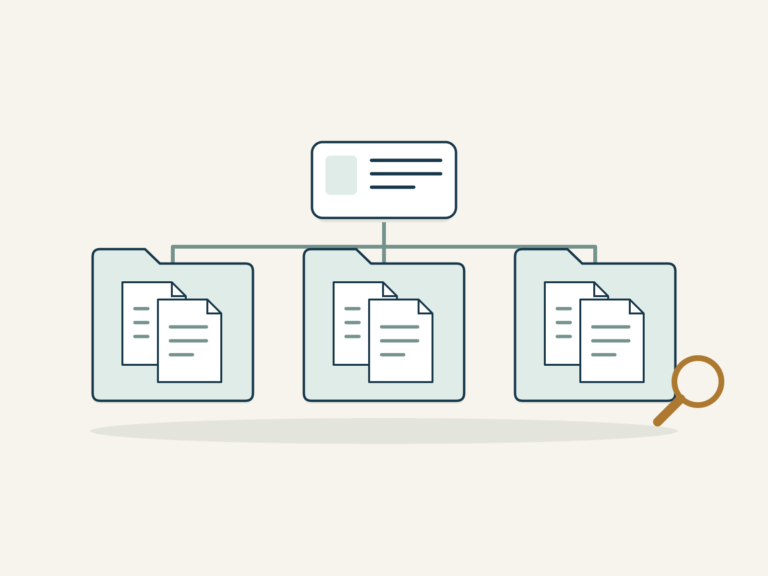
Practice: three documents, three questions
This invented practice file contains no real people, accounts or amounts. An adult has three papers concerning a relative’s credit-card account. The papers may be incomplete or inconsistent. Treat the descriptions as exercise material, not verified records.
A. A letter addressed to the estate
It asks for the representative’s contact details. File it under “estate authority.” Receipt proves neither authority nor personal liability.
B. A record marked “authorized user”
File under “account role.” This label alone cannot settle other grounds of responsibility.
C. A paper alleging co-signing
File under “alleged obligation.” Request supporting evidence, such as the signed agreement.
Add spouse or estate-administration roles as separate state-law questions.
For each paper, write its date, the wording you need explained and one unanswered question. Keep “the paper says” separate from “confirmed.” Ask a qualified helper to assess conflicts rather than choosing whichever record sounds more reassuring.
Prepare a small, private file
These optional preparation prompts are an organizational aid, not an official document requirement or an estate-administration checklist:
- Keep the notice and its envelope together; note when it arrived. Flag any court papers or stated dates for prompt attention rather than putting them aside while organizing.
- Locate any agreement, account-role record or document about representative authority already available to you. Note missing items without trying to fill the gaps from memory.
- Write down the capacity in which the sender is addressing you and the action requested. Copy the relevant wording accurately into your private notes.
- Before sending documents to a helper, ask what they need and which secure channel to use. Keep full identifiers out of public comments; do not submit records to EasyLoanWorld.
Get help with the unresolved question
A consumer, estate or probate lawyer can help assess responsibility under applicable law.
The LSC locator lists funded local civil legal-aid organizations. Ask the provider about eligibility and available services; a listing does not guarantee representation.
Bring your short question list to that conversation. You do not need to turn a stack of correspondence into your own legal opinion before asking for help. This guide does not determine payment, distribution, tax or secured-property issues.

Credit-Builder Loan vs. Secured Card: A Cash-Access Checklist
Work through three fictional situations and four private questions before deciding whether a new account fits your needs.

Hotel Card Hold: Compare Two Checkout Payment Paths
Compare two fictional hotel checkout choices while keeping the original card’s capacity and the actual payment in separate records.
Overdraft Fee? Look Beyond the Online Bill Label
Compare three fictional document packets behind the same $60 ONLINE BILL entry, then identify what the records still leave unexplained.