Soft Credit Checks Before You Apply
Confirm which inquiry applies to the exact step before submitting, and distinguish a preliminary soft check from a later credit application.

Credit Education · U.S. credit checks
A soft credit inquiry does not affect your credit scores. Before you click “check my rate” or move to an application, confirm which inquiry applies to that exact action. A preliminary soft check does not tell you what happens later, whether you will be approved or whether a service is safe. CFPB explains soft and hard inquiries.
This guide helps you read a disclosure and ask the right questions before submitting. It provides general U.S. consumer information, not a personal credit or legal assessment.
Before you submit: confirm the exact step
A button label is a starting point, not a complete explanation of a company’s process. Read the disclosure for that company, product and stage. The following original checklist organizes what to ask; it cannot inspect a lender’s system or classify an actual offer.
-
Identify this action
Are you requesting a rate estimate or preliminary assessment, or submitting an application?
-
Read this disclosure
For this company, product and stage: which company accesses your credit, and is the inquiry soft or hard?
-
Ask what happens later
Could a later step involve another application or credit check? What conditions would still need to be met?
“Which inquiry applies if I submit now, and could a later step trigger another check?”
One stage is not the whole process. A soft inquiry confirmed for this stage does not classify later checks, guarantee approval or prove a service safe.
Original editorial questions. Use the company’s current disclosure for the exact action you plan to take.
For a fuller question, ask: “For this exact step, will you make a soft or hard inquiry? Does this submit a credit application? If I continue later, when might you make another inquiry?”
Save the answer and the disclosure privately. If this step is confirmed as soft, check the wording again before a later application or acceptance. Neither the inquiry type nor a preliminary result promises approval or final terms.
Permission can be part of an application rather than a separate popup. For credit cards, CFPB explains that a noncustomer gives the issuer permission to obtain the full report by applying. The absence of an extra checkbox does not establish that no inquiry will occur. Read CFPB’s credit-card explanation.
The checklist has no data-entry fields. Do not post reports, identity documents, account numbers or private answers in public comments.
Soft and hard describe the inquiry
| Question | Soft inquiry | Hard inquiry |
|---|---|---|
| Score effect | The inquiry does not affect scores. | It may affect scores. This guide cannot predict a point change. |
| Common context | Your report request, prescreening or an existing-account review. | A lender reviewing a new credit application. |
| Visibility | You see it on your own disclosure; others purchasing your report do not. | It can appear on reports others obtain. |
Sources: CFPB’s inquiry categories and credit-card inquiry explanation. These are general contexts, not a way to infer an individual company’s check from its marketing language.
Receiving an offer is different from responding
For prescreened credit offers, a company uses credit-bureau information to identify people meeting its criteria. That prescreening does not hurt your score. Receiving the offer and responding to it are different actions: read the conditions and what the next step authorizes instead of carrying the first inquiry label forward. FTC explains prescreened offers.
The word “preapproved” also appears in other settings. For mortgages specifically, CFPB says lenders use prequalification and preapproval differently, may check credit for either, and that the letters are not guaranteed loan offers. A mortgage letter is not the same process as a prescreened card mailing. Read CFPB’s mortgage guidance.
Checking your own report
Requesting your own report is a soft inquiry. You do not need to apply for a loan to inspect it. For the official access routes and what to do first, use our free credit reports guide or the FTC’s instructions. Keep reviewing your record separate from responding to any product offer shown alongside it.
A score can still differ from the last one you saw. Models, report data and calculation dates can differ, as CFPB explains. Combined with the rule that a self-request does not affect scores, that means a change noticed after checking is not evidence that the check caused it.
Account reviews and employment checks
A card issuer can review an existing customer’s credit for account management using a soft inquiry. A request for new or increased credit is a separate question: ask what check applies instead of assuming it matches the routine review. CFPB distinguishes applications from account management.
Access also needs a legally permitted purpose. “Soft” does not mean anyone can obtain your report for any reason. CFPB lists permitted purposes and says a current or prospective employer must have your written consent before obtaining your report. That consent requirement concerns access, while soft or hard describes the inquiry’s scoring treatment. See CFPB’s access explanation.
When you do not recognize an inquiry
Your own report includes an access history; CFPB explains that record. An unfamiliar entry deserves checking. Unfamiliarity alone does not prove fraud or that the inquiry lacked a permitted purpose.
- Record the entry privately. Note the bureau, company name, date and inquiry category. Compare it with your applications, offers and existing accounts.
- Ask the listed company what it relates to. Use contact information you independently verify. Avoid sending sensitive documents in an unsolicited message.
- If you identify an error, use the dispute route. CFPB recommends contacting the reporting company and the company that supplied the information, explaining the specific problem and keeping supporting records. Follow the current dispute instructions.
- If you suspect identity misuse, use the official recovery route. The FTC links to IdentityTheft.gov for reporting and a recovery plan.
A dispute does not guarantee deletion or a score increase. Be wary of anyone promising to remove accurate, current negative information. FTC’s credit-repair warning explains that limit.
Before you continue: identify the action, find the inquiry disclosure for that stage and resolve anything unclear with the company. A confirmed soft check answers one question about one step, not every question about the offer.

Credit-Builder Loan vs. Secured Card: A Cash-Access Checklist
Work through three fictional situations and four private questions before deciding whether a new account fits your needs.
Hotel Card Hold: Compare Two Checkout Payment Paths
Compare two fictional hotel checkout choices while keeping the original card’s capacity and the actual payment in separate records.
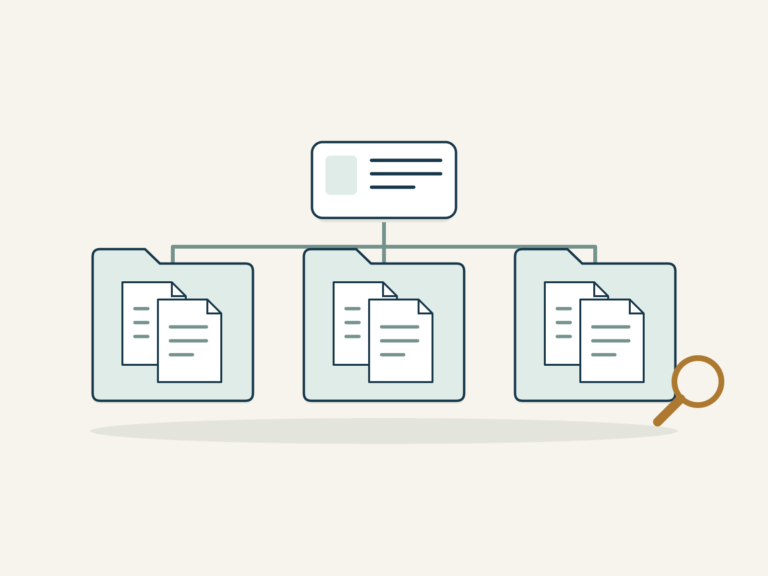
Overdraft Fee? Look Beyond the Online Bill Label
Compare three fictional document packets behind the same $60 ONLINE BILL entry, then identify what the records still leave unexplained.