Free Credit Reports: Official Access and Your First Review
Use official free credit-report routes, distinguish a report from a score, and choose a useful next step after a private first review.

Credit Education · U.S. credit reports
Start with the record you need, rather than a score offer or a subscription. A credit report lets you inspect the account information behind many credit decisions. This guide helps you request it through an official route and organize a private first review.
The short answer: AnnualCreditReport.com provides free weekly online access to reports from Equifax, Experian and TransUnion. This bureau program is separate from your legal right to a free report from each company every 12 months. The CFPB explains both forms of access.
General U.S. education, not individualized financial or legal advice. The checklist and decision map below have no data-entry fields. Keep account numbers, identity documents and report screenshots out of comments and messages to EasyLoanWorld.
Do you need a report, a score or a subscription?
A report contains information about credit activity and account status. A score is calculated from report information. Scores can differ with the bureau data, scoring model, credit product and calculation date. Do not assume a report request includes the exact score a future lender will use. See the CFPB’s report-and-score explanation.
If a score is your immediate goal, an existing card issuer or lender may already provide one. The CFPB’s score-source guide also explains other options. Read any service’s price, trial period and cancellation terms: an offer advertised as free can turn into a paid subscription. A monitoring package is a separate purchase decision, not the same task as requesting your free reports.
Choose an official request route
The CFPB lists online, telephone and mailed requests. Use its official request instructions to confirm the details and obtain the current mail form.
| Route | Where to start | What to plan for |
|---|---|---|
| Online | AnnualCreditReport.com | Follow the service’s identity-verification process. Read and save the available reports privately. |
| Phone | 1-877-322-8228 | Use this official ordering number, rather than a number supplied by an unsolicited caller or message. |
| The request form linked in the CFPB instructions | Follow the current form’s completion and mailing directions. Do not send the form or identity documents to EasyLoanWorld. |
Allow for processing and delivery. The FTC says a phone request is processed and mailed within 15 days; for a mailed request, that period runs from receipt of the request. Additional identity verification can take longer. Those are not guaranteed arrival dates. See the FTC’s delivery and verification guidance.
If online verification cannot be completed, consult the official alternatives instead of looking for a way around the verification. An access problem alone does not establish fraud. Avoid lookalike sites and unsolicited requests for account information; the FTC explains the impersonation risk.
How often can you request reports?
Weekly online access is available through the bureau program; the service’s name does not mean you must wait a year between online checks. The FTC describes the weekly program as permanently extended. The separate once-per-12-month right remains important; do not confuse it with the online program’s frequency.
You can request one, two or all three bureau reports through the online service, according to the CFPB’s access guidance. Reviewing them together or at different times is an organizational choice. A personal reminder schedule does not reduce the available access.
Files can differ across bureaus, so one report may not show everything in the others. Keep the bureau name and the date of each copy with your notes. This guide covers the three nationwide credit bureaus; specialty reports may need separate requests. The CFPB’s same guidance explains that distinction.
Choose the next step for your situation
Choose the card that matches your current question. These are alternative tasks, not five steps that everyone must complete. An unfamiliar item needs investigation; this map cannot decide whether it is an error or identity misuse.
-
Get my reports
Request free reports from Equifax, Experian and TransUnion through the centralized service.
Get reports at AnnualCreditReport.com -
I cannot finish online access
Use the official phone or mail instructions. Identity verification still applies, and extra checks can delay delivery.
Read FTC phone, mail and verification instructions -
I found a possible reporting error
Follow the FTC’s credit-report dispute instructions.
-
I suspect identity misuse
If you think someone used your identity, visit the official reporting and recovery site. An unfamiliar entry alone does not establish identity theft.
Find recovery steps at IdentityTheft.gov -
I need a credit score
Review score sources separately. Some are free; others charge fees or begin paid subscriptions after a trial.
Compare score sources and possible costs with CFPB
Keep your reports and supporting documents private. This map has no report-upload or data-entry fields.
Give the report a private first review
Use the report beside records you already hold. This checklist organizes questions; it does not calculate a score or decide whether an application will be approved.
- Identify the copy. Note the bureau and report date so that later comparisons use the right document.
- Check personal and account details. Do you recognize the identifying information, accounts and account ownership?
- Compare the account history. Look at status, payment history and other details against your records; write down the particular item that needs clarification.
- Keep balance dates separate. A current card-app balance may describe a different moment from a report entry. For a worked example, see how to check the balance, full limit and reporting date.
- Read inquiries in context. Investigate an unfamiliar entry rather than treating every entry as a new application or proof of fraud.
Requesting your own report is a soft inquiry and does not affect your credit scores. Existing-account reviews and prescreening can also produce legitimate soft inquiries. The CFPB explains these inquiry types.
Keep your reports and supporting notes secure. The useful output of this first review is a specific question or record to check, not a public copy of your financial information.
What if something looks wrong?
Follow the FTC’s credit-report dispute instructions. This guide does not promise removal, a particular score change or an application outcome.
If you suspect someone is misusing your identity, use IdentityTheft.gov for the official reporting and recovery process. The FTC identifies that recovery route. Report review can help identify a problem; it does not prevent every form of identity theft or replace a full recovery plan.
Fictional example: Jordan cannot finish online verification. Jordan’s next task is to consult official access instructions, without assuming the failure proves fraud. Alex can access a report but sees a payment-status entry that conflicts with their records. Alex’s next task is to preserve those records and investigate that specific entry. The same “check my credit” goal can lead to different next steps.
Start small: choose the document, request it through an official route, and identify one useful next check. Keep score shopping, subscriptions and detailed recovery decisions separate from obtaining and understanding the report.

Credit-Builder Loan vs. Secured Card: A Cash-Access Checklist
Work through three fictional situations and four private questions before deciding whether a new account fits your needs.
Hotel Card Hold: Compare Two Checkout Payment Paths
Compare two fictional hotel checkout choices while keeping the original card’s capacity and the actual payment in separate records.
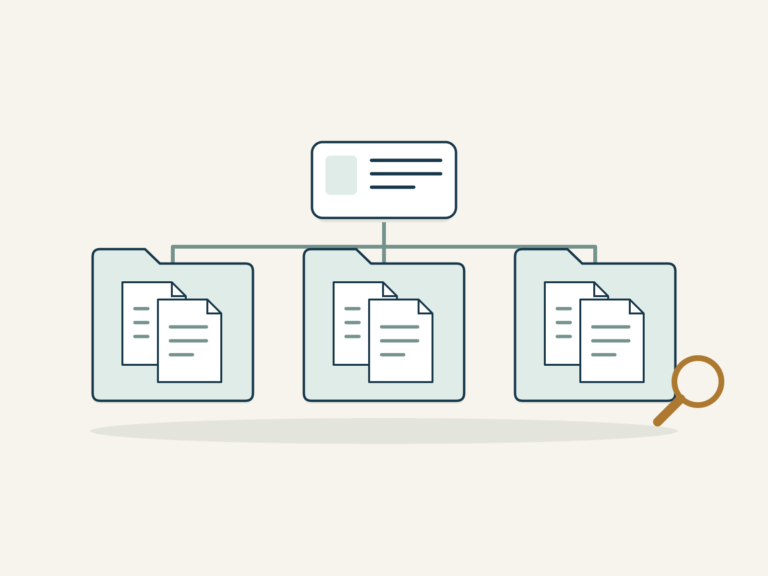
Overdraft Fee? Look Beyond the Online Bill Label
Compare three fictional document packets behind the same $60 ONLINE BILL entry, then identify what the records still leave unexplained.