Served With a Debt Lawsuit? Identify the Court Procedure and Get Help
Use a three-packet exercise to organize court papers and prepare questions for legal help, with clearly labeled Minnesota examples.

If you receive papers saying you have been sued over a debt, read the full packet promptly and identify the applicable response requirements. Ignoring a lawsuit can lead to a default judgment. Responding does not itself mean admitting that you owe the debt. See the CFPB’s lawsuit guidance.
This is a U.S. document-organizing guide, not legal advice or a response form. It does not determine whether papers are valid or calculate your deadline. The Minnesota examples below illustrate why identifying the procedure matters; they are not instructions for other states.
Start with what the papers actually say
Keep every page together, including attachments, envelopes and delivery records. On a separate private sheet, copy these details without filling gaps from memory:
- Document titles, exactly as printed.
- State, county and court named, if any.
- Names of the parties and any listed court file number.
- Dates printed in the papers and the date and manner you received them.
- Each attached notice, instruction or order.
- Anything missing, unclear or inconsistent.
Use “not shown” or “uncertain” where appropriate. Recording how something arrived is not a legal conclusion about service. Keep this organizer with your documents; do not send personal case details to this website.
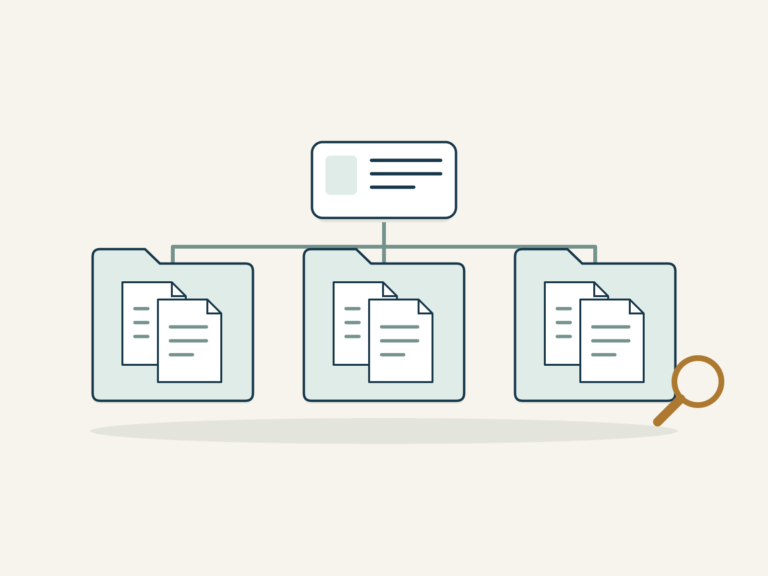
Try the three-packet routing exercise
These are fictional descriptions, not court forms or actual cases. For each packet, identify the next question to verify. Do not decide the debt is owed, the papers are genuine, or a legal deadline has been met.
Packet A: a company letter
A letter lists a balance and asks for a reply. It does not name a court proceeding. Your first question is: “What kind of document is this?” Use our collection-notice checklist for that separate topic. The description alone cannot establish authenticity or rule out a lawsuit elsewhere.
Packet B: Minnesota civil papers with no file number
The fictional packet says Summons and Complaint, but the court file number is blank. Does that settle whether it is valid? No. In Minnesota, a civil lawsuit may begin through service before court filing; an absent number or court record alone does not invalidate it. Use the Minnesota civil-actions guidance and seek case-specific legal help rather than waiting for an online listing. This example does not establish proper service or validity.
Packet C: Minnesota conciliation papers and a hearing notice
The fictional packet includes Plaintiff’s Statement of Claim and Summons and a hearing notice. Follow the Minnesota conciliation route: disagreement may be addressed at the hearing without filing a response. Counterclaims, exhibit submission and sharing, court instructions and orders remain separate requirements. Attendance matters. Ask what preparation and dates apply to this packet; do not import the ordinary civil procedure from Packet B.
Find the right official route
Use the jurisdiction and court type copied from the packet to find the official judiciary website independently. Match its help topic to the papers. If the match is unclear, make that your first question rather than choosing a form because its title sounds familiar.
For the Minnesota examples, the judiciary’s Find Courts directory links to the relevant courts.
Minnesota self-help staff can provide procedural information, but cannot give legal advice. They are neutral, and communications do not have attorney-client confidentiality. For uncertain or urgent deadlines, seek attorney advice immediately; do not treat a wait for assistance as extra response time.
The LSC legal-aid locator can help you find an LSC-funded organization near you. Ask the organization about eligibility and availability; a locator result does not guarantee representation.
Bring questions, not guesses, to legal help
Bring the complete packet and your organizer. The following are prompts for a qualified adviser, not directions to submit a particular response:
- Which court procedure applies to these papers?
- What response, filing, service or hearing obligations apply, and by when?
- How should missing information or a concern about service be assessed?
- What should I do if a deadline may already have passed?
- Would a proposed settlement change any court obligation, and what documentation would be needed?
Changed fact: another notice arrives
Return to the exercise: after an initial response, another notice arrives. What must you check now? In the Minnesota civil example, later discovery, motions and court orders can bring additional deadlines. Read the new document against the official civil guidance and obtain help with anything unclear.
Add the new document to your folder and note what remains unresolved. Keep copies and delivery or submission records for actions you actually take. A completed organizer is not proof that you fulfilled a court obligation.

Credit-Builder Loan vs. Secured Card: A Cash-Access Checklist
Work through three fictional situations and four private questions before deciding whether a new account fits your needs.

Hotel Card Hold: Compare Two Checkout Payment Paths
Compare two fictional hotel checkout choices while keeping the original card’s capacity and the actual payment in separate records.
Overdraft Fee? Look Beyond the Online Bill Label
Compare three fictional document packets behind the same $60 ONLINE BILL entry, then identify what the records still leave unexplained.