Credit Card Credit Balance: Reconcile the Refund You Can Request
Work through a signed credit-card ledger, separate pending items, and organize the dates and records for a credit-balance refund request.

A merchant refund and a credit-card credit balance are different starting points. A credit balance exists when account credits exceed what you owe, leaving money owed to you. You can request its return or leave it against future charges. First reconcile the account: a refund may simply reduce an existing debt.
This guide is for an undisputed, settled credit on a U.S. consumer credit card. It does not calculate an individual account’s entitlement or deadline. Start with a dated account snapshot and the posted transaction list, rather than the available-credit figure, which concerns borrowing capacity.
Build the balance before choosing an amount
The hypothetical worksheet below uses positive numbers for debt and negative numbers for an issuer-held credit. That is our sign convention; your issuer’s display may differ. Read its labels before copying a number.
Assume these are permanent posted entries, with no other balances, fees, interest, reversals or transactions. The $500 payment is an invented input, not a suggestion to overpay.
| Date | Posted entry | Change | Running balance |
|---|---|---|---|
| Oct 5 | Opening debt | +$300 | +$300 debt |
| Oct 6 | Purchase | +$80 | +$380 debt |
| Oct 8 | Payment | −$500 | −$120 credit |
| Oct 12 | Merchant refund | −$120 | −$240 credit |
| Oct 19 | Later purchase | +$70 | −$170 credit |
The check is $300 + $80 − $500 − $120 + $70 = −$170. The $120 merchant refund is neither the final credit nor an additional amount to add to $170. It is already included.
Keep pending items in a separate lane
Also suppose the account shows a $40 unposted refund and a $25 pending purchase authorization. Neither enters this posted-ledger total. An authorization is not a settled purchase in this worksheet.
- If only the $40 refund later posts, the balance becomes −$210.
- If only the $25 purchase later posts, the balance becomes −$145.
- If both later post, the balance becomes −$185.
These are alternative branches from −$170, not three successive changes. Keep the capture date with the worksheet so an older snapshot does not compete with a newer one. Ask the issuer which intervening debits affect the actual refundable remainder; the worksheet is not a promise of a $170 refund.
Choose the right next step
- Positive total: this model still shows debt. Check that the merchant refund is included once.
- Zero: this model shows no net credit to return.
- Negative total: ask the issuer to confirm the remaining credit and the amount available for refund.
- Missing refund: match the merchant’s refund reference to the account activity before treating it as posted.
A provisional dispute credit is outside this settled-credit example; do not assume it is final. If an entry is wrong, use the separate credit-card billing-error guide. A refund request does not replace the process for disputing an error.
The rule and the receipt date
For a credit balance exceeding $1, the creditor must credit the account and refund the requested remaining amount within seven business days after receiving a written request. Intervening purchases or other debits, including ones absent from a periodic statement, can reduce that remainder. Earlier refunds and oral or electronic requests are permitted. After more than six months, a remaining credit requires a good-faith refund effort, not guaranteed receipt; an unsuccessful earlier good-faith effort need not be repeated then. You need not wait six months to request a refund. Regulation Z §1026.11 and official interpretations.
Here, business days depend on the creditor’s offices being open to the public for substantially all business functions. Limited services or an always-accessible app do not establish that schedule. Regulation Z §1026.2(a)(6).
Hypothetical calendar: sent October 19; written request received October 20, 2026. Assume substantially all business functions operate Monday–Friday, with no closures.
| Counted day | October 2026 date |
|---|---|
| 1 | Wednesday 21 |
| 2 | Thursday 22 |
| 3 | Friday 23 |
| 4 | Monday 26 |
| 5 | Tuesday 27 |
| 6 | Wednesday 28 |
| 7 | Thursday 29 |
Prepare the request, then reconcile the return
Before submitting anything, verify the issuer’s accepted channel and correct destination for this request. Do not automatically use its billing-dispute address. Identify the account through the issuer’s secure process; keep full card numbers out of generic worksheets.
- Record the amount or portion you want returned and the snapshot supporting it.
- State your preferred refund method and check which options the issuer supports. OCC refund guidance.
- Check mailing and contact details privately, then retain submission and receipt evidence.
- Ask for a reference number and an explanation of any difference between the requested and returned amounts.
Keep four distinct fields: request received, issuer-confirmed refund performance, money received, and funds available. In this example, only request receipt has a date. Leave the others blank until supported; neither a dispatch notice nor the calendar alone establishes when money is spendable.
Finally, compare the refund confirmation with the latest account activity and actual receipt. If unresolved, ask the issuer for the recorded receipt date, amount, method and trace or reference details. This reconciliation helps pinpoint whether the open question is the balance, the request, or the return itself.
Reviewed October 20, 2026. Educational example; no refund request or account action is performed by this guide. Credit-balance background: CFPB explanation.

Credit-Builder Loan vs. Secured Card: A Cash-Access Checklist
Work through three fictional situations and four private questions before deciding whether a new account fits your needs.
Hotel Card Hold: Compare Two Checkout Payment Paths
Compare two fictional hotel checkout choices while keeping the original card’s capacity and the actual payment in separate records.
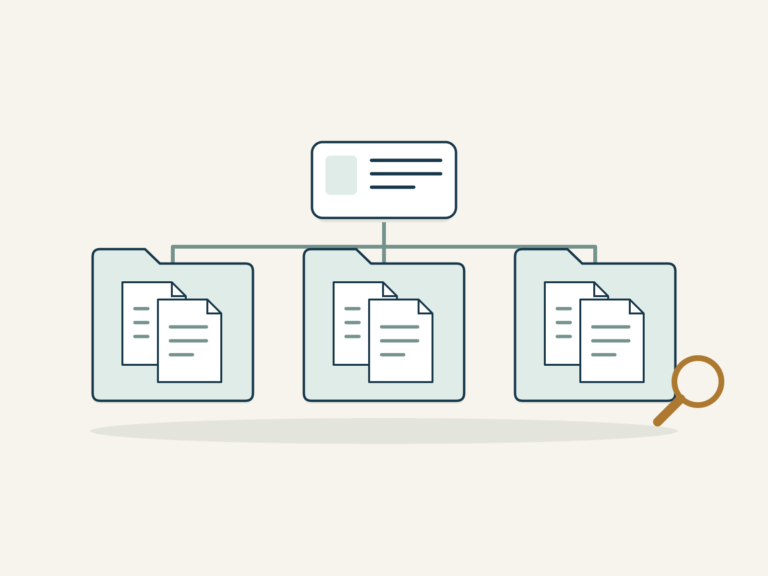
Overdraft Fee? Look Beyond the Online Bill Label
Compare three fictional document packets behind the same $60 ONLINE BILL entry, then identify what the records still leave unexplained.