SBA 504 Payoff: Keep Both Loan Records Separate
Separate loan identities, preliminary estimates and final payoff figures.
Estimated reading time: 5 minutes
Preparing to sell or refinance property financed through SBA 504 requires more than reading one outstanding balance. Identify which debts the transaction would repay, who supplies each payoff figure and which dates the figures cover before calling the closing cash requirement complete.
This guide concerns ordinary planning for active 504 financing, not default, liquidation or an SBA-purchased debenture. The SBA’s borrower overview directs borrowers to their Certified Development Company (CDC) for loan-specific balances, due dates and account questions. It doesn’t make a balance inquiry an authorized payoff.
One project can have two separate loans
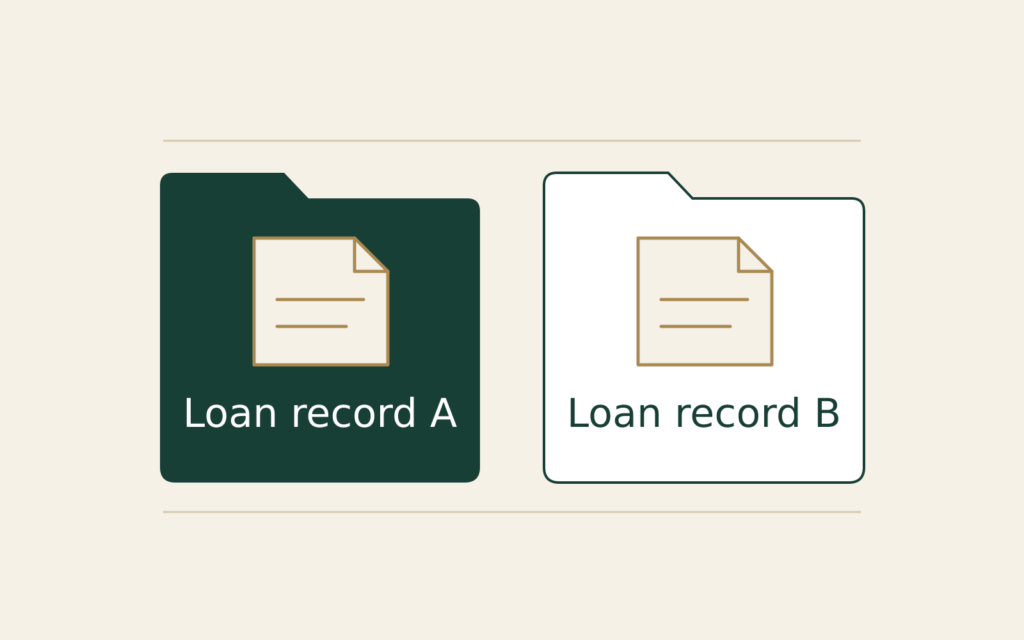
13 CFR 120.801 describes usual permanent financing: a borrower contribution, a CDC debenture-funded second-lien loan, and a third-party first-lien loan. The contribution isn’t another loan.
One loan’s payoff document doesn’t establish the other loan’s payoff.
| Loan record | Question for its responsible party |
|---|---|
| Third-party first lien | Which dated quote and conditions cover this loan? |
| CDC/debenture-funded loan | Which prepayment process and figures apply? |
Identify debts ending or remaining and unresolved approvals or lien arrangements. Two records neither require repaying both nor authorize refinancing one while retaining the other.
Don’t borrow another CDC’s notice period
CDC Small Business Finance’s payoff page states that it requires 15 days’ written notice and accepts prepayments on the third Thursday of the month. Its requested information includes the proposed date, loan number, property address and relevant contacts.
That’s the provider’s published process, not a promise that every CDC uses the same notice requirement. Ask your CDC which current instructions govern your loan, how receipt is confirmed and what happens if the contemplated transaction date changes. Don’t treat an inquiry, a received notice and an accepted payoff date as interchangeable milestones.
An estimate and final figures are different records
HEDCO’s prepayment guide, by contrast, asks for notice at least 30 days ahead. It offers a prepayment estimate and says the Central Servicing Agent supplies final figures three days before payment is due. These are HEDCO’s published descriptions, not a universal timetable or a guaranteed turnaround for your case.
Suppose an owner has a bank payoff quote and a preliminary CDC estimate, but no final CDC figures. The file contains two numbers, yet the total remains provisional. Label the CDC amount “estimate” and record who will supply the replacement; don’t rename it “final” because the closing worksheet needs a number.
If the proposed date moves, ask whether the estimate, final-figure timing and other lender’s quote all need updating. A change to one document doesn’t silently revise the others. This example supplies no assumed dollar amount or approved closing date.
A principal balance isn’t the entire payoff explanation
CDC New England’s prepayment guidance reproduces authorization language covering full prepayment, not partial prepayment. Its listed components include amounts tied to the next semiannual debenture date, specified fees and expenses, and any applicable premium. It also directs borrowers to give notice under their note’s terms.
This illustrates why an amortization balance alone may not answer the payoff question. Ask your CDC to identify the dates and components in your actual calculation, including what is already included and what remains separately payable. Don’t add a monthly payment again if the quote already accounts for it.
Confirm the premium from your documents and current servicing explanation. Neither a familiar percentage nor a general claim that a loan is “past its penalty period” proves that every other amount disappears. This guide doesn’t calculate a premium or select the least-cost payoff month.
Make the open items visible
Give each document a short reference and keep its original version. Beside it, record the unanswered question, person responsible and next expected response. Keep proposed dates separate from confirmed dates. For example, an index entry can say: “Document B, page two; attachment referenced but absent; requested from the sender; awaiting response.” That records a specific evidence gap without inventing the missing answer. When the attachment arrives, retain the request and add its filename so the next reviewer can follow the resolution. An attachment’s arrival doesn’t answer a different unresolved question. Mark each private index item with the date you last checked it. If an attachment is missing, name the attachment rather than leaving a checkmark that suggests it was reviewed.
Before relying on a combined total, reconcile the document versions with the closing professional and both loan contacts. Ask which conditions remain unresolved. A spreadsheet can add provisional numbers correctly while still failing to establish the money actually required for the transaction.
Keep this preparation separate from deciding whether to sell, refinance or use operating cash. It establishes no savings or affordability result. Don’t send account records to this site or make a payment from this article’s examples. Sources checked October 29, 2026; educational guidance only.
SBA Disaster Loan Declined: Match the Review Stage
An SBA disaster-loan decline should start two separate tasks: identify the review procedure and connect each stated reason to evidence.

SBA Building Purchase: Measure Occupied Space Before Counting Tenant Rent
Build a classified area worksheet before relying on tenant rent. See how an omitted 500 square feet changes a fictional building’s operating-use calculation.

SBA 7(a) Prepayment: Check the Ledger Before Paying Extra
Use a fictional SBA 7(a) payment worksheet to separate assumptions, principal reduction and cash needed before requesting a written lender calculation.