Estimated Electric Bill Evidence
These provider-specific examples help distinguish bill evidence. They don’t establish nationwide utility rules.
Estimated reading time: 5 minutes
These provider-specific examples help distinguish bill evidence. They don’t establish nationwide utility rules.
Find the reading status
Memphis Light, Gas and Water explains that inaccessible meters or circumstances such as severe weather can lead to estimates using usage history and weather. Its next actual reading reconciles an estimate that was too high or low.
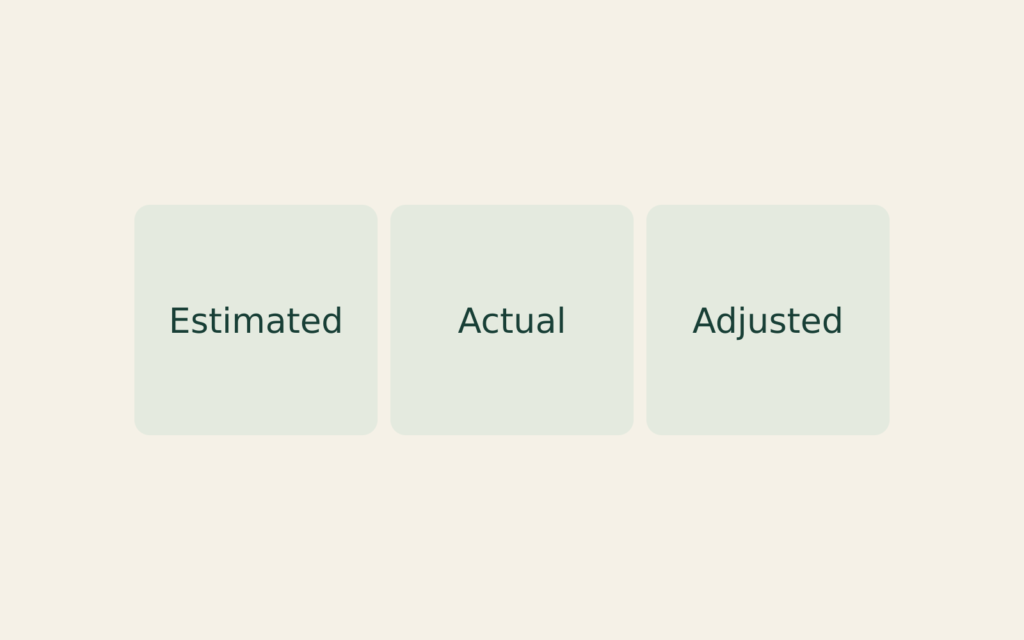
| Record | Question |
|---|---|
| Estimate | What was assumed? |
| Actual reading | What was measured? |
| Adjustment | What was reconciled? |
MLGW says estimated status appears on the bill. Start there before describing a later increase as entirely new consumption. A correction isn’t, by itself, evidence that the meter failed.
Submission isn’t acceptance
PSEG Long Island says customer-supplied readings may not prevent estimation if mistimed or inconsistent with account history. Ask which reading was actually used.
Compare service periods
National Grid’s Massachusetts electric-bill guide explains that service days and weather can affect current charges. It identifies average daily consumption separately from monthly usage.
Compare service dates and averages, not just totals. The guide distinguishes current charges from the amount owed when older unpaid charges remain.
Displayed subtraction may not settle the question
Con Edison’s March 2024 sample says displayed readings may be rounded or truncated; electric usage totals sum fifteen-minute smart-meter intervals. Its new-read field is illustrative.
Subtracting displayed figures may therefore differ from the stated reading difference. Ask which underlying interval or unrounded detail supports your bill. Don’t import the sample’s historical rates, credits or payment dates. The sample explains a format; it isn’t a current price quotation.
Ask the utility to identify the precise field being explained rather than replying only “correct.”
An online projection is another kind of estimate
PG&E’s energy-data notice describes online access to usage information and an estimate of the month-end bill. A projection of a future total is a different object from an issued statement.
Before comparing an app screenshot with a bill, identify what the screenshot says it represents. Record its observation date and the period covered. A month-end projection shouldn’t be silently substituted for a completed billing-period amount.
The notice also advises customers to understand how an authorized third party would use their energy data and whether it would share that information onward. Protect login credentials. Getting help to understand a statement doesn’t require posting an unredacted bill publicly or giving a stranger ongoing account access.
Before sharing a screenshot for explanation, remove identifiers and check that any visible link doesn’t expose private account access.
Usage isn’t the complete price explanation
The Ohio Consumers’ Counsel distinguishes a fixed customer charge from generation, transmission and distribution charges. Its guide also notes that utilities may show company-specific charges or credits.
For an Ohio bill following that explanation, a usage correction and a dollar correction aren’t interchangeable labels. Ask which charge lines were recalculated and whether any separate adjustment changed. Avoid guessing a single rate by dividing the entire amount due by one usage figure.
Check the bill’s own definitions for an unfamiliar charge. A measurement question concerns the quantity; a pricing question concerns the applied schedule and charge components. Keep both visible when requesting an explanation. This article doesn’t choose a supplier, select a rate plan or calculate a real customer’s bill.
Use the applicable complaint route
The New York Department of Public Service’s complaint guide says to try resolving a concern with the utility first. If satisfactory help is unavailable, DPS can investigate. Its guide identifies a separate Long Island office for PSEG-LI electric complaints.
The guide also warns that the undisputed portion remains payable during its investigation. Don’t infer that asking a question automatically suspends every payment obligation. Clarify which amount is disputed and what the provider or regulator says remains due.
These are New York procedures, not nationwide rules. Elsewhere, identify the responsible utility and regulator through their official information. Keep the utility’s response and the unresolved question together so the next reviewer can see what was already explained. No complaint is filed by this article.
Describe the requested explanation precisely, and distinguish an unanswered question from a response you received but believe is incorrect.
Verify the contact before discussing the bill
The FTC’s utility-impersonation guidance warns about unexpected demands for immediate payment to avoid same-day shutoff. It advises contacting the utility using the number on a bill or its official website rather than following the unexpected message.
The FTC also warns that paid search advertisements can impersonate utility companies. A prominent search result isn’t proof that the contact is genuine. Verify the destination before discussing account details or a supposed adjustment.
This safety check is separate from the reading dispute. An unresolved billing question doesn’t make an unsolicited caller the right person to resolve it.
Requests demanding gift cards or cryptocurrency are another warning identified by the FTC; don’t treat them as bill corrections.
Foreign Tax Credit Limit
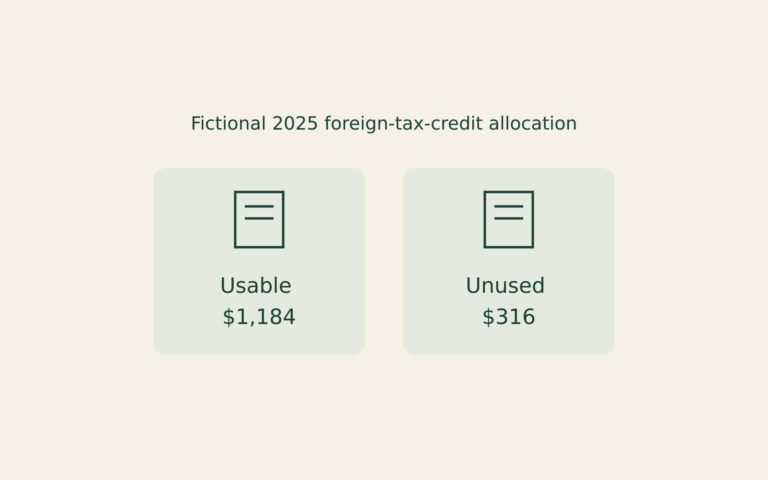
Reconcile foreign tax and limits.
Education Bonds: Interest Exclusion
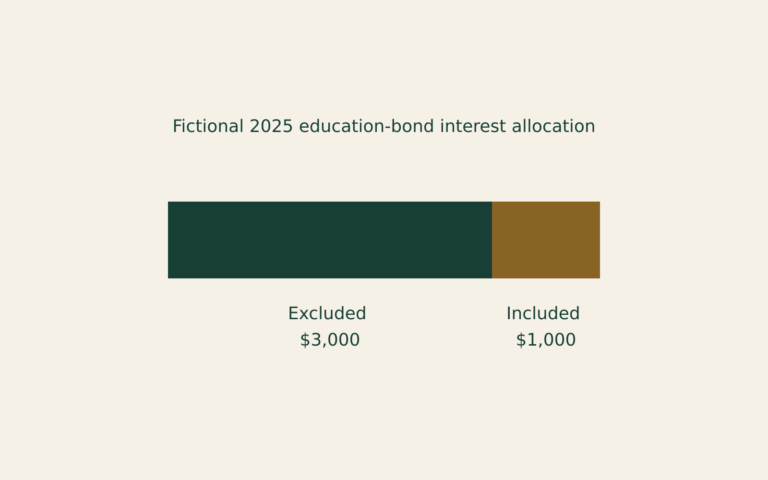
Reconcile tuition and redemption proceeds.
Charitable Gifts: Interacting Limits
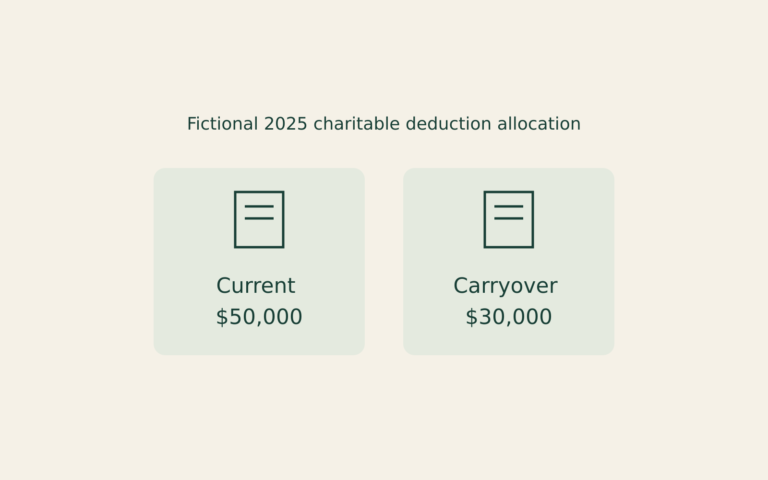
Reconcile cash and stock gifts.