Medical Bill Above Your Good Faith Estimate? Check the Dispute Route
Organize your estimate, bill and dates before checking the federal medical-bill dispute route.

A bill above your good faith estimate deserves a document check before a financing decision. This guide helps you organize that check; it cannot determine eligibility or what you owe.
Start with the kind of bill
The federal patient-provider dispute resolution process (PPDR) concerns care on or after January 1, 2022, when you were uninsured or chose not to use insurance and told the provider beforehand. You need a written good faith estimate (GFE). See CMS’s dispute guide.
Insurance paid or processed the care? Start with CMS’s insured-patient guidance and our bill-versus-EOB check. Insured surprise-billing protections and plan appeals are separate routes. A deductible alone does not establish self-pay status or a surprise-billing violation.
Emergency care does not generate a GFE. Without one, this estimate-based dispute route is unavailable, but that does not mean you have no rights. CMS’s uninsured-patient guidance can help identify another route.
Your estimate
CMS’s detailed estimate guide describes these delivery periods: scheduling 3–9 business days ahead means an estimate within one business day of scheduling; scheduling 10 or more means within three business days. Requesting an estimate before scheduling also means within three business days. Scheduling only 0–2 business days ahead does not itself create an estimate entitlement.
Lost the estimate? Request a copy. Never received one? Do not substitute a zero-dollar estimate. A missing-estimate complaint is a different route when an estimate should have been supplied; it does not remove responsibility for the bill. Separate billers may require separate estimates.
CMS’s consumer checklist says the estimate was received three days before the appointment. That wording differs from the scheduling-based periods above.
The estimate regulation also permits revisions up to one business day before scheduled care when scope changes. Delivery duties and dispute eligibility should not be collapsed into a universal rejection of later estimates. Keep every version and ask CMS which applies. Federal-program coverage or unusual insurance arrangements also need official clarification.
The dollar threshold
Under 45 CFR 149.620, compare each provider/facility’s expected and billed totals for the primary service and related services furnished with it, including related items omitted from the estimate. The excess must reach $400; exactly $400 counts. Exclude other billers and unrelated visits.
Try the pooling check
These fictional amounts isolate the dollar test. Assume all other requirements are satisfied.
Case A: Clinic A estimated $720 and billed $1,120: $400 extra. Facility B estimated $1,600 and billed $1,780: $180 extra. Only Clinic A meets the dollar gate.
Case B: Clinic A: $720 estimated, $970 billed, $250 extra. Facility B: $1,600 estimated, $1,830 billed, $230 extra. Combined excess: $480; neither meets the $400 gate.
Case A’s clinic is a review candidate, without guaranteed savings. Reviewers determine payment. Ask CMS about provider substitutions.
Bill dates and deadlines
The current CMS initiation form and consumer checklist screen using the date on the original bill.
The regulation instead describes an initiation notice postmarked within 120 calendar days of receiving the initial qualifying bill. Preserve both dates; do not assume a reminder or reissued bill restarts the clock.
If dates differ materially, an estimate arrived late, or a deadline is close, contact the No Surprises Help Desk at 1-800-985-3059 immediately. Do not wait for negotiations to finish.
Build a private evidence map
Use these paired notes as a personal organizer, not an official form:
- Biller and care: pair the provider’s contact details and service description, date and state with the bill and estimate copies.
- Totals: expected, billed and difference for the same biller.
- Versions: preserve the estimate’s issue and receipt dates and revisions.
- Dates: keep the initial bill’s printed date and delivery record together.
- Status: save submission, payment and review notices; answer information requests. Filing does not establish acceptance.
The official form also requests patient or representative details. Read its signature permissions: they authorize relevant records release and agreement to the determination. Use the current form for online, mail or fax instructions and payment directions. Review what you disclose through official channels. Do not post medical records or account numbers publicly.
CMS currently charges a nonrefundable $25 fee to start. If the determination favors you, that fee is deducted from the provider amount. The process is not cost-free.
Understand what a pending dispute changes
CMS’s provider guidance says that during PPDR the provider cannot send the disputed bill to collections or threaten to, must pause existing collection efforts, cannot collect late fees, and cannot retaliate. Negotiation can continue. An informal billing question, complaint, intended filing or unpaid draft is not proof that PPDR is pending. Keep official notices and ask CMS about uncertain status.
The regulation suspends late-fee accrual on disputed unpaid amounts until PPDR concludes. Accrual differs from collection; neither automatically forgives earlier fees.
These protections do not erase the debt or extend to unrelated accounts. Do not ignore statements, lawsuits or deadlines.
If this route does not fit, consider correcting billing errors or asking about assistance. Our hospital assistance guide and payment-plan comparison cover distinct next steps.
Reviewed against official sources on October 20, 2026. General U.S. educational information; not personalized legal, financial or medical advice.

Credit-Builder Loan vs. Secured Card: A Cash-Access Checklist
Work through three fictional situations and four private questions before deciding whether a new account fits your needs.
Hotel Card Hold: Compare Two Checkout Payment Paths
Compare two fictional hotel checkout choices while keeping the original card’s capacity and the actual payment in separate records.
Overdraft Fee? Look Beyond the Online Bill Label
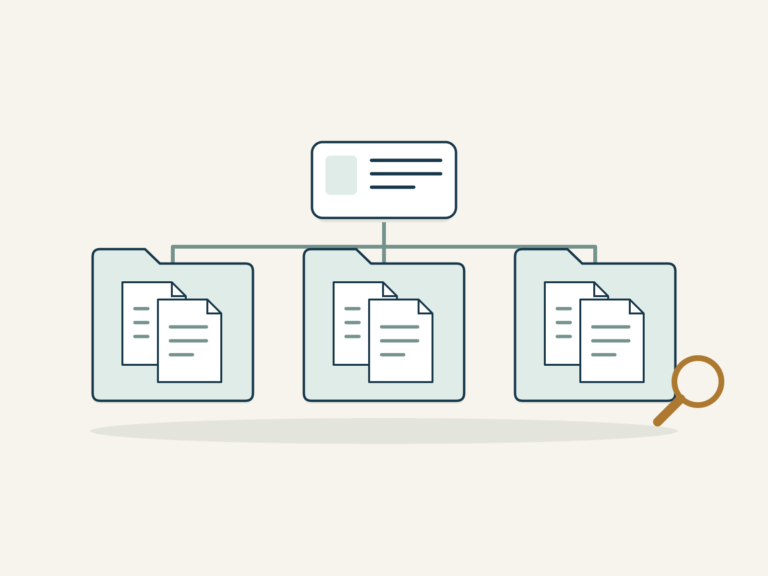
Compare three fictional document packets behind the same $60 ONLINE BILL entry, then identify what the records still leave unexplained.