How to Prevent Credit Card Fraud Before It Happens
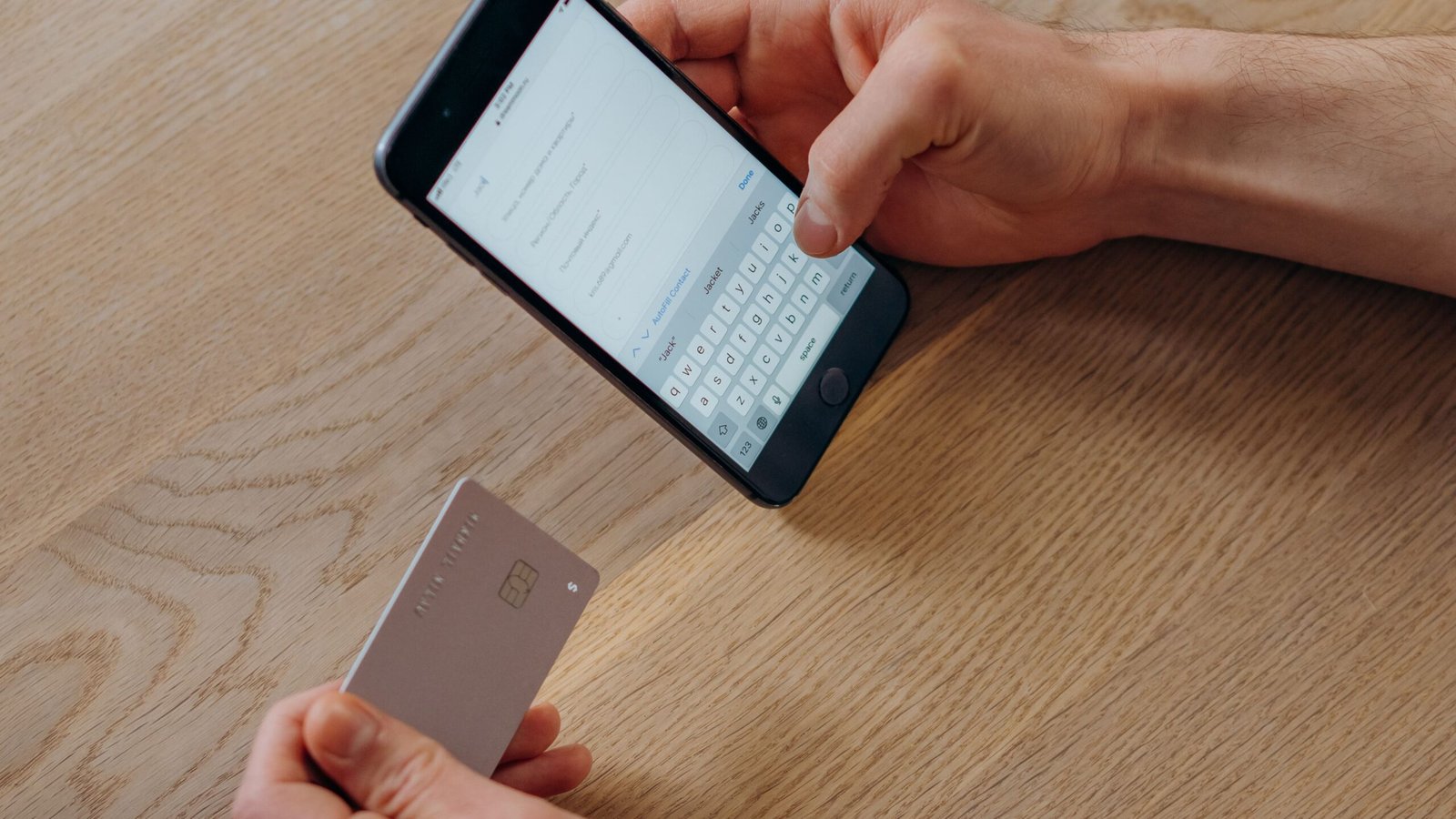
Reduce credit-card fraud risks with stronger account security, spending alerts and safer shopping habits, and learn what to document when a charge looks unfamiliar.
Borrowing costs, student aid, freelance cash flow, taxes and digital payment security.
Reduce credit-card fraud risks with stronger account security, spending alerts and safer shopping habits, and learn what to document when a charge looks unfamiliar.

Use a worked $600 emergency example to identify the real cash gap, protect essential bills, avoid double-counting available funds, and assess borrowing risks.

Build a freelancer cash-flow forecast and stress-test late client payments to spot funding gaps before bills come due, with reproducible weekly examples.

Organize multiple digital wallets by tracking balances, funding methods, pending transactions and subscriptions before closing an unused payment account.

Compare federal and private U.S. student loans by eligibility, borrowing limits, repayment protections and costs, including rules affecting new graduate borrowing.

Find self-employed tax-record mistakes before filing season, from missed income and unsupported expenses to overlooked self-employment tax and payment records.

See what happens when you pay with a digital wallet, from tokenization and authorization to settlement, and understand why some transactions are delayed.

Build a freelance business budget that protects essential costs and tax reserves while testing how slower months affect available cash.

Compare subsidized and unsubsidized federal student loans, including eligibility and when interest is charged, with a simple cost example.

Decide whether a business purchase is worthwhile before counting tax deductions, and review how depreciation, Section 179 and other rules can affect costs.