FINANCIAL GUIDE
Changing Loan Autopay: Check the Notice
Compare the debit and notice.
November 3, 2026Read more
Personal loans can be easier to compare when you separate borrowing cost, cash received and the payment schedule. This collection covers applications, repayment choices, refinancing and account questions, with guides for each stage.
Compare the offer and the repayment plan
Begin with shorter vs. longer loan terms to examine the timeline. Then read secured vs. unsecured borrowing when collateral is part of the offer. Near the end of repayment, use payoff quote vs. statement balance to organize what you need to verify.
Bring the written offer or latest statement to the relevant guide. Assess personal loans against your actual budget and the specific terms presented. List unclear fees or payment instructions before proceeding.
Complete guide index: Personal Loans (23)
Browse titles A–Z, including applicable subtopics. Index checked November 1, 2026. For the newest entries first, open this topic in the guide library.
A Twelve-Period Certificate Funding Comparison
Approved for a Loan, but Received a Risk-Based Pricing Notice?
Co-Signer vs. Co-Borrower: Understand the Responsibility Before Signing
Debt Consolidation Loan vs. Balance Transfer: Compare the Payoff Plan
Discover Consolidation Loan: Check the Fit Before Applying
Extra Personal-Loan Payments: Check Principal, Due Dates and Interest
Keep Savings or Pay Extra on a Personal Loan? Compare Cash and Debt
Loan Denial Notice: What to Check Before Applying Again
Loan Rate Discount: How Many Account-Fee Months Erase It?
Loan Scams: Verify the Lender and Offer Before Sharing Data
One-Time Loan Payoff: Which Required Payment Disappears?
Paycheck Loan Reserve: Annual Share or Half the Bill?
Payday Alternative Loans: Your Options
Personal Loan Application Documents: Build a Complete, Secure File
Personal Loan Late Payments: Verify the Catch-Up Amount
Personal Loan Payoff Quote vs. Statement Balance: What to Verify
Personal Loan Refinancing: When Do the New Fees Pay Back?
Personal Loan vs. Credit Card for a One-Time Expense
Secured vs. Unsecured Personal Loans: Check the Collateral Risk
Shorter vs. Longer Personal Loan Terms: Choose a Repayment Timeline
Stop Loan Autopay: Separate the Debit From the Debt
Upstart Arbitration Opt-Out: Which Agreement Does Your Notice Cover?
Variable Income and Personal-Loan Payments: Build a Timing Buffer
Compare the debit and notice.
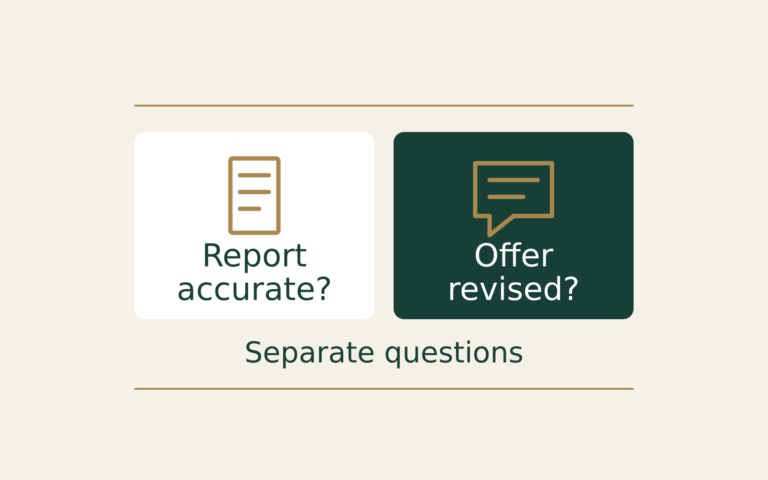
Identify the document and separate report-review questions from the actual loan offer.
Compare two reserve allocations without changing the lender’s payments.
A fictional allocation exercise separates interest savings from next-month payment relief, and keeps the alternative of retaining cash visible.
An invented matched-loan comparison finds how many account-fee months erase a rate discount, without treating an account balance as a fee.
Check which debts a Discover consolidation offer can cover, how creditors get paid, and how the full repayment cost fits your budget before comparing…
A fictional mailing resolves only one document’s status.
Work through a fictional certificate funding comparison with matched contributions, checkpoint values, changed inputs and a separate access test.
A fictional three-payment comparison shows how extra principal changes cash, debt, and interest, then tests which expenses the remaining cash can cover.